Application
Mold, Algae & Moisture Protection for Outdoor Equipment
Persistent humidity, biological growth and deposited contamination can affect appearance, maintenance and equipment surfaces.
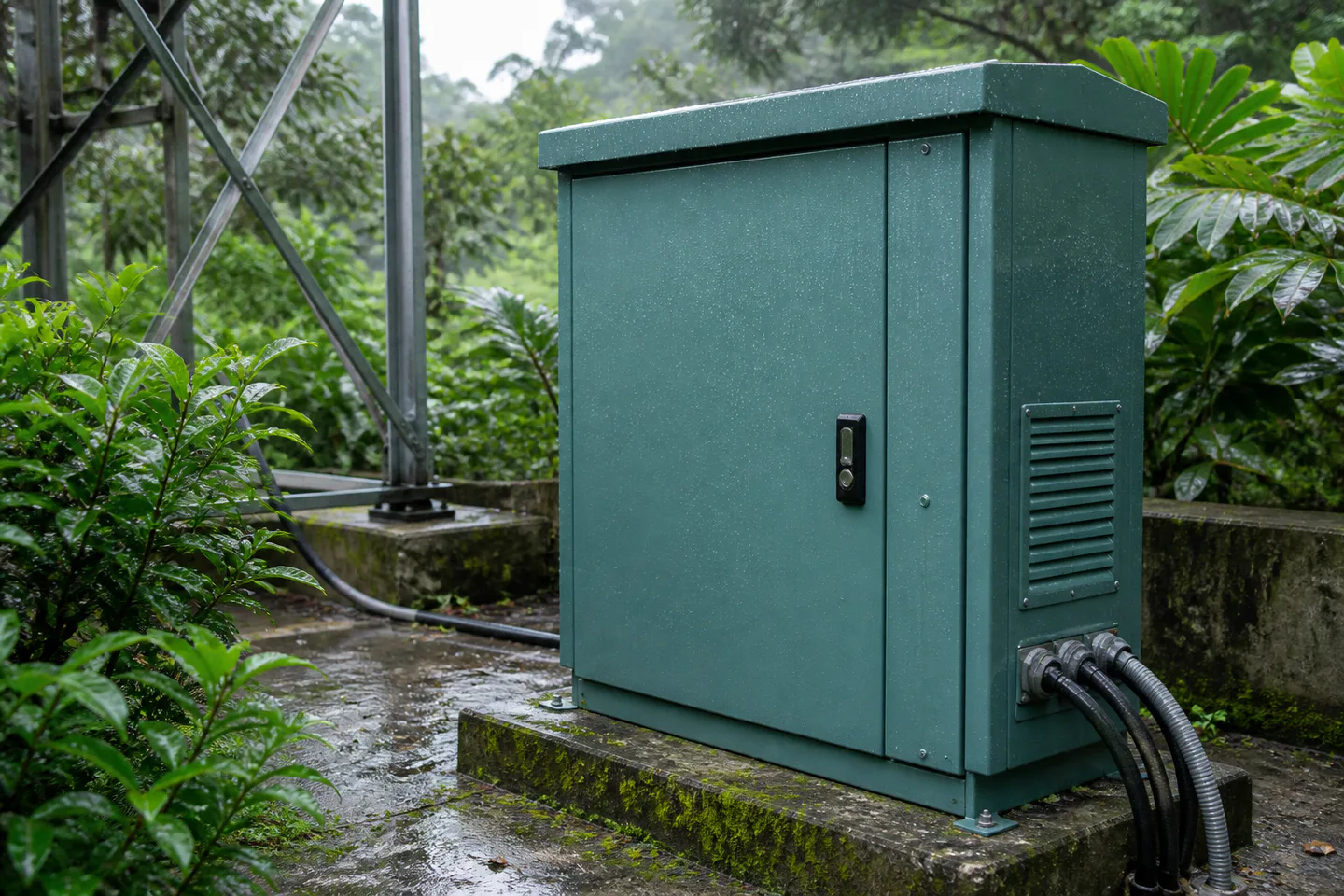 Illustrative visual
The challenge
Why this equipment needs a defined material evaluation.
The operating environment and failure mechanism must be defined before material selection.
Substrate preparation, access, cure and inspection controls affect the finished application.
A representative comparison must use the real equipment constraints and an agreed acceptance method.
Relevant DSAN materials
Connect the application to available products.
DSAN NEW MATERIALS anti-mold and anti-algae coating options are reviewed against the substrate, local organisms, wetting cycle, cleaning method and environmental controls.
View Related SolutionTypical equipment
- Outdoor cabinets
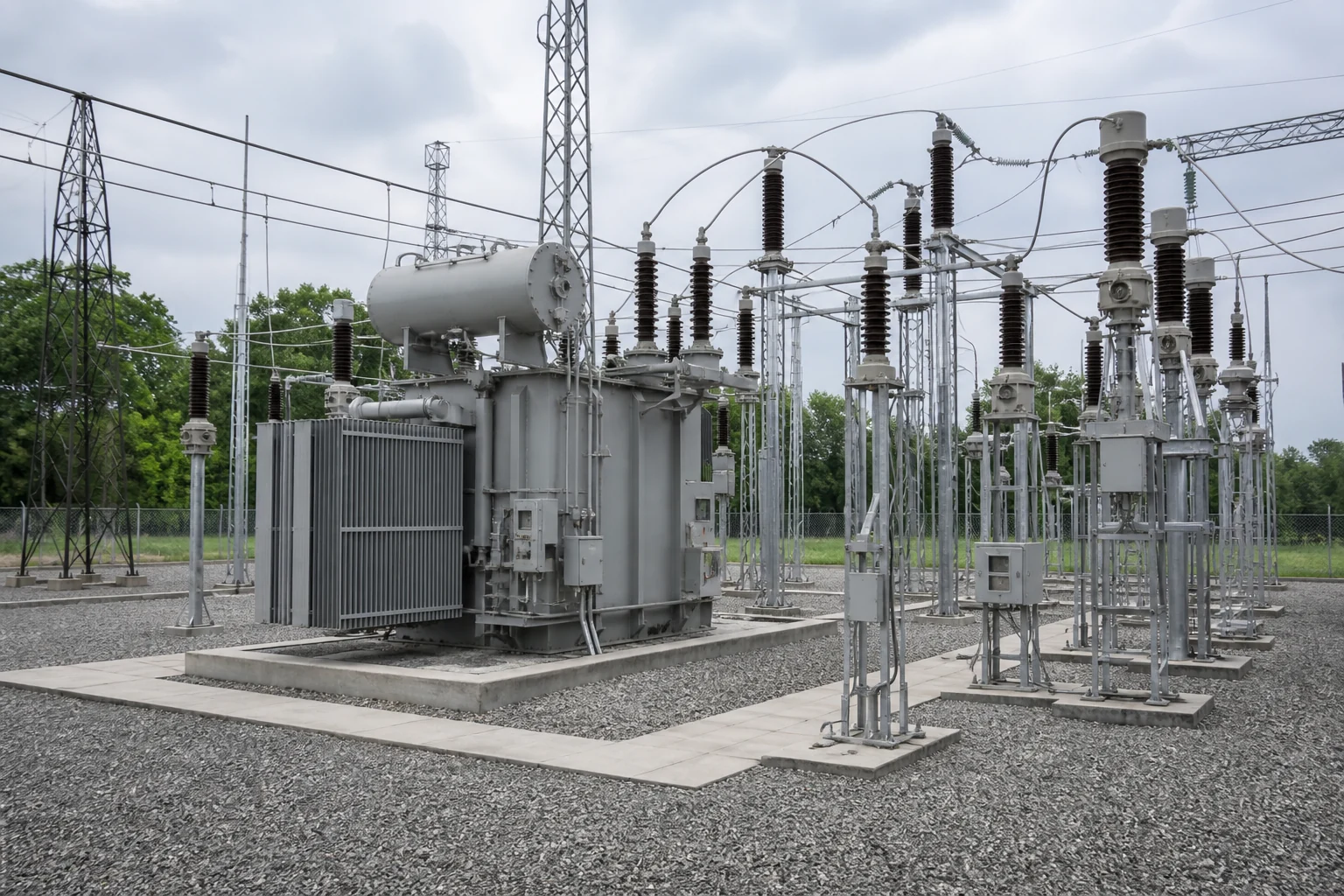
- Utility housings
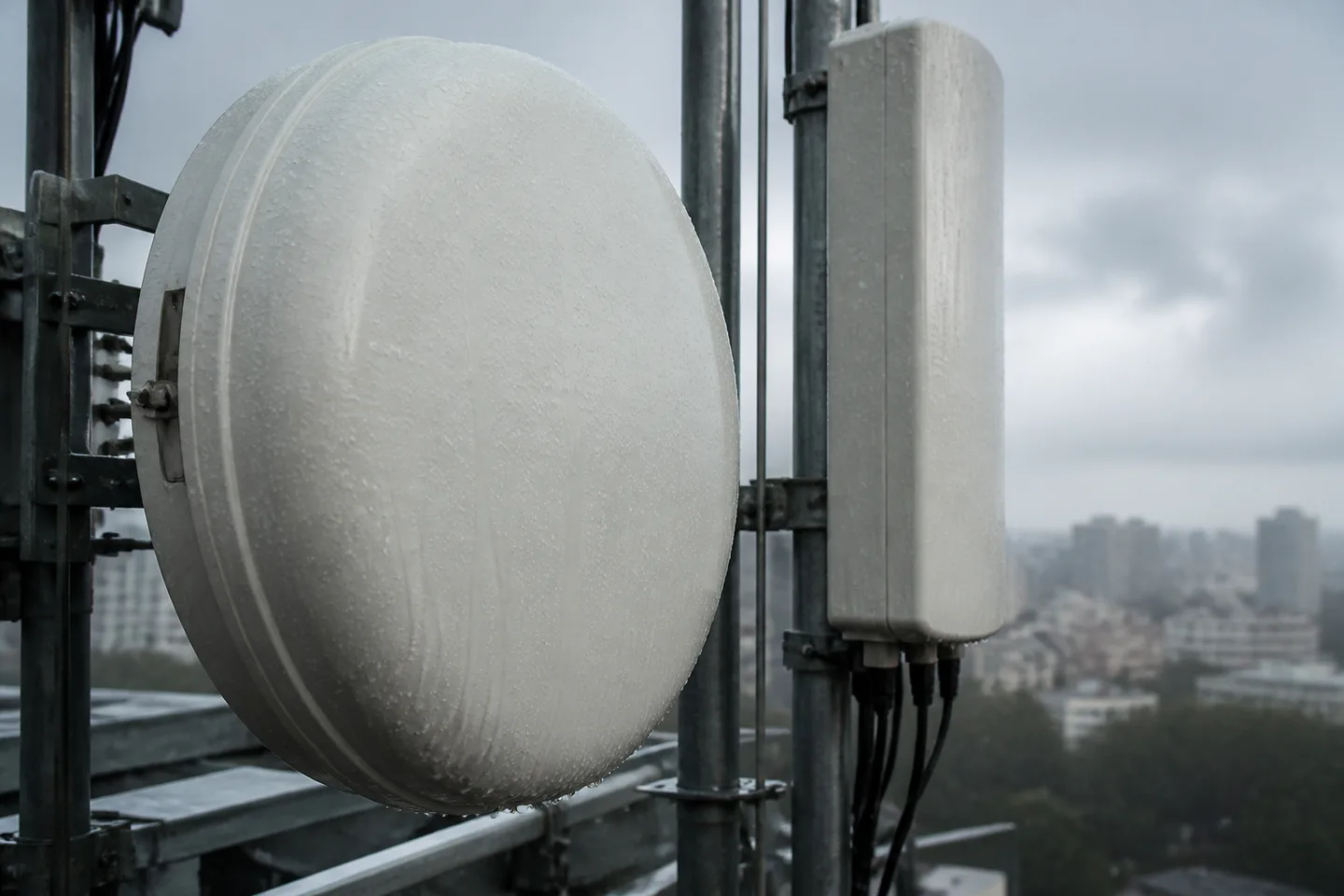
- Communication equipment
- Humid industrial infrastructure
Key evaluation parameters
Define the test condition before comparing materials.
The table separates the parameter to evaluate from the value or project condition that still needs confirmation.
| Parameter | Why it matters | Current value / status |
|---|---|---|
| Equipment and substrate | Defines compatibility, preparation and permitted treatment areas. | Project input required. |
| Operating exposure | Covers humidity, wet-dry cycles, biological exposure, cleaning and outdoor weathering. | Project input required. |
| Application controls | Records preparation, film build or component placement, cure and inspection. | Project input required. |
| Acceptance method | Connects material data with the finished-equipment decision. | Project input required. |
Related products
Review the relevant products.
Compare each product format with the actual substrate, equipment and operating conditions.
Related references
Compare the closest public equipment context.
Technical questions to confirm
Questions an engineer should answer before selection.
What equipment and substrate are involved?
Provide the equipment type, material, existing finish, accessible area and any electrical or process constraints.
Which exposure must the material withstand?
Describe temperature, moisture, contamination, chemicals, sunlight, mechanical loading and maintenance conditions relevant to the application.
How will the project assess the result?
Identify the comparison, test method, inspection or equipment-level performance criterion.
Discuss your application
Send the substrate, equipment and operating condition.
Use the form for an application discussion, joint R&D or materials distribution.
More applications