Application
Hydrophobic Coatings for Radomes & Antennas
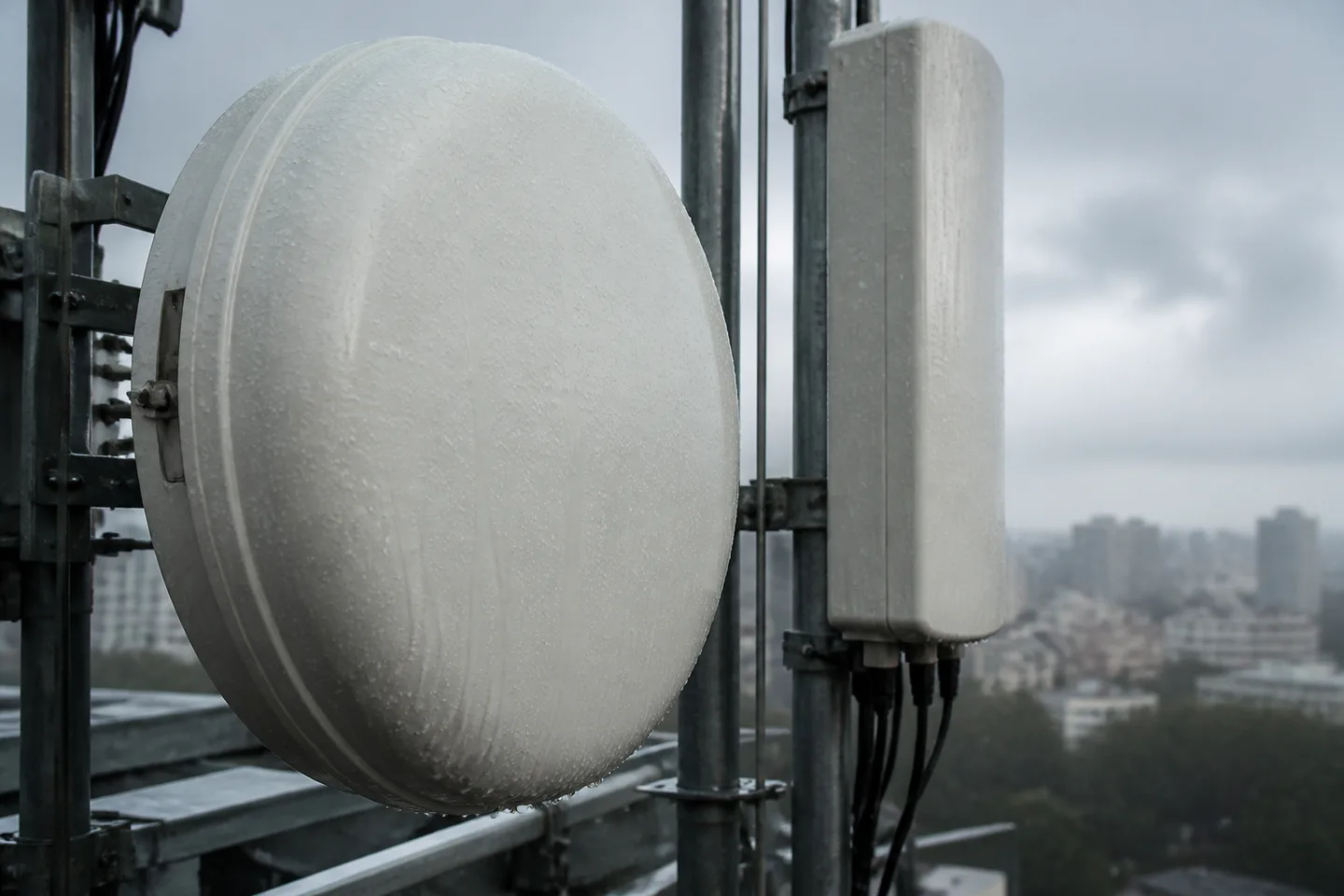
Rain and surface contamination can create a persistent water layer on exposed RF equipment. The coating must control wetting without compromising the radome substrate or signal requirement.
 Illustrative visual
The challenge
Why this equipment needs a defined material evaluation.
Water films can change the dielectric condition at the radome surface.
Radome polymers, existing finishes and maintenance processes differ between equipment designs.
Any surface treatment must be evaluated for RF transmission, adhesion and outdoor durability together.
Relevant DSAN materials
Connect the application to available products.
DSAN NEW MATERIALS currently supplies functional powders for formulation trials. A finished radome coating requires development and verification on the specific polymer, frequency range and equipment design.
View Related SolutionTypical equipment
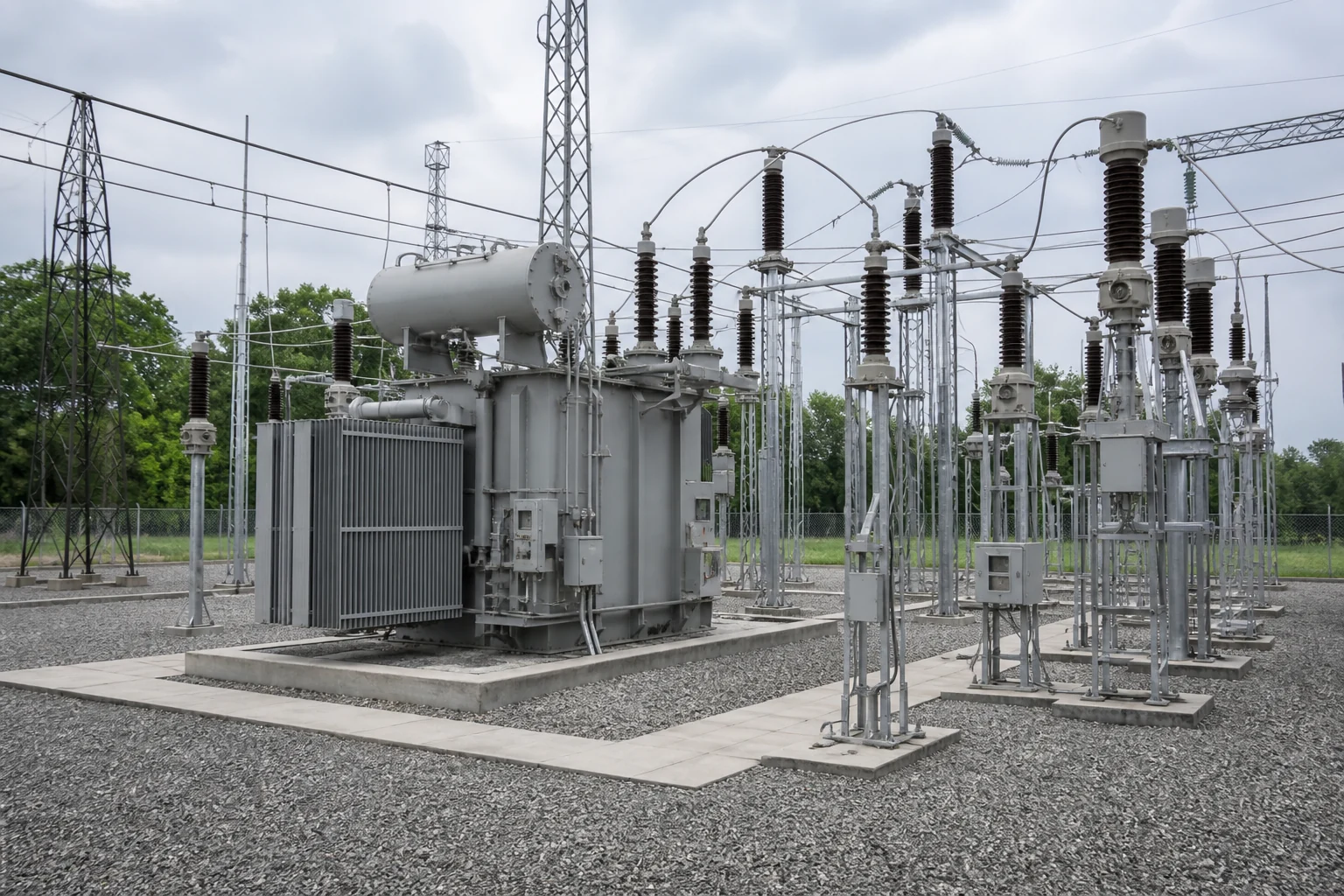
- Telecommunications radomes
- Radar radomes
- Outdoor antennas
- Microwave and satellite communication equipment
Key evaluation parameters
Define the test condition before comparing materials.
The table separates the parameter to evaluate from the value or project condition that still needs confirmation.
| Parameter | Why it matters | Current value / status |
|---|---|---|
| Water contact and roll-off behaviour | Shows how droplets form and leave the treated surface. | Project input required. |
| RF insertion loss / transmission | Checks that the complete coated radome meets the equipment's signal requirement. | Project input required. |
| Substrate adhesion | Confirms compatibility with the actual radome polymer and existing finish. | Project input required. |
| Rain-erosion durability | Evaluates the coating under the relevant speed, droplet and exposure condition. | Project input required. |
| Weathering and cleaning resistance | Checks retention of surface function after outdoor exposure and maintenance. | Project input required. |
Related products
Review the relevant products.
Compare each product format with the actual substrate, equipment and operating conditions.

Related industry insights
Read the industry and technical background.
 Illustrative visual
How Superhydrophobic Surfaces Manage Water
How hierarchical texture, trapped air and surface chemistry influence wetting—and what to validate before choosing a material format.
Read article ↗Illustrative visualRadome Coatings: What Changes When Rain Meets Oily Dust?
Water repellency is only part of the problem on exposed radomes. Evaluate oily contamination, weathering and RF transmission together before choosing a coating.
Read article ↗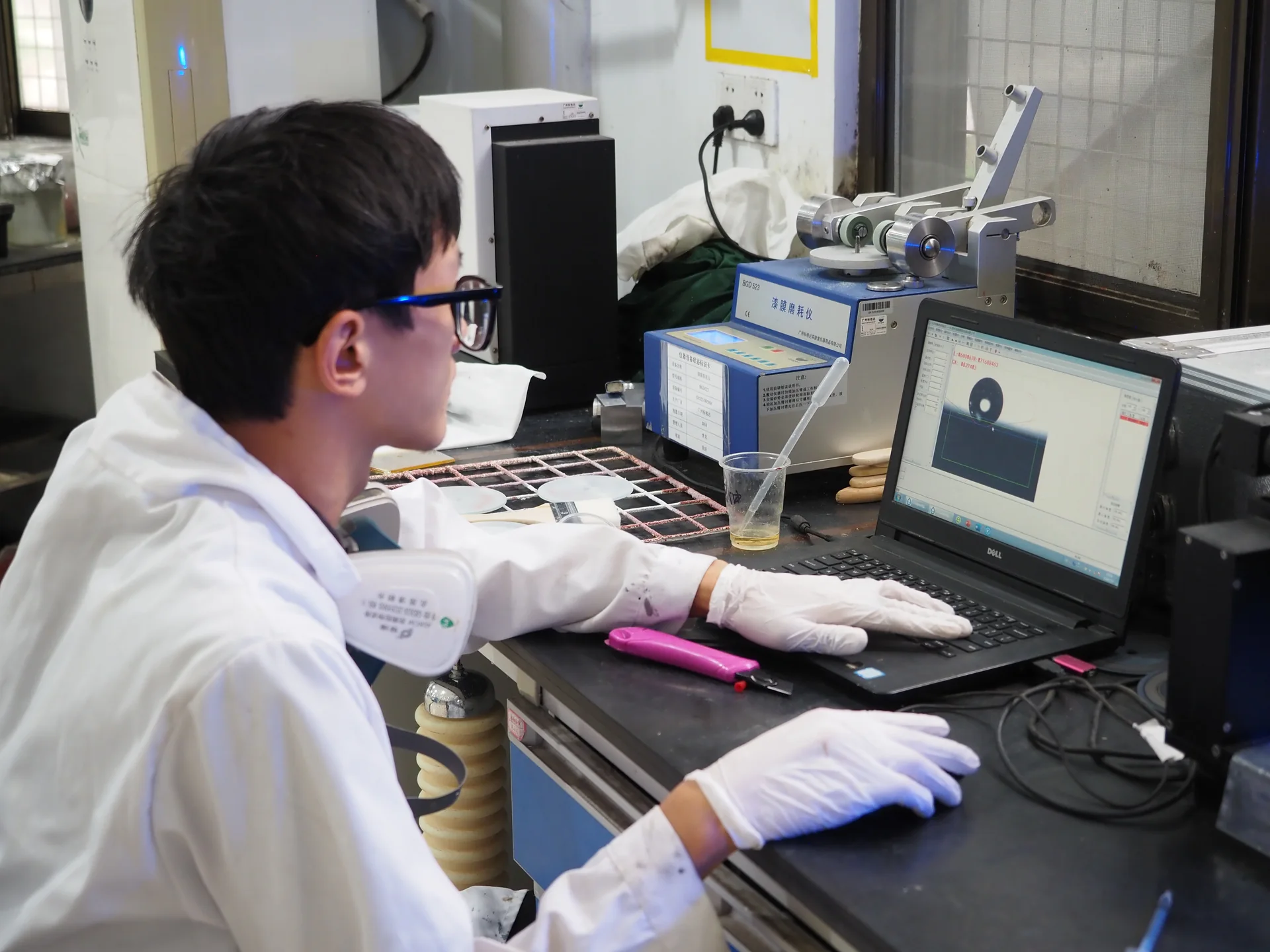
Superhydrophobic and Superoleophobic Coatings: Test the Oil, Then Test the Wear
Water beading does not establish oil repellency. A useful comparison identifies the liquid, measures droplet mobility and repeats the checks after realistic wear.
Read article ↗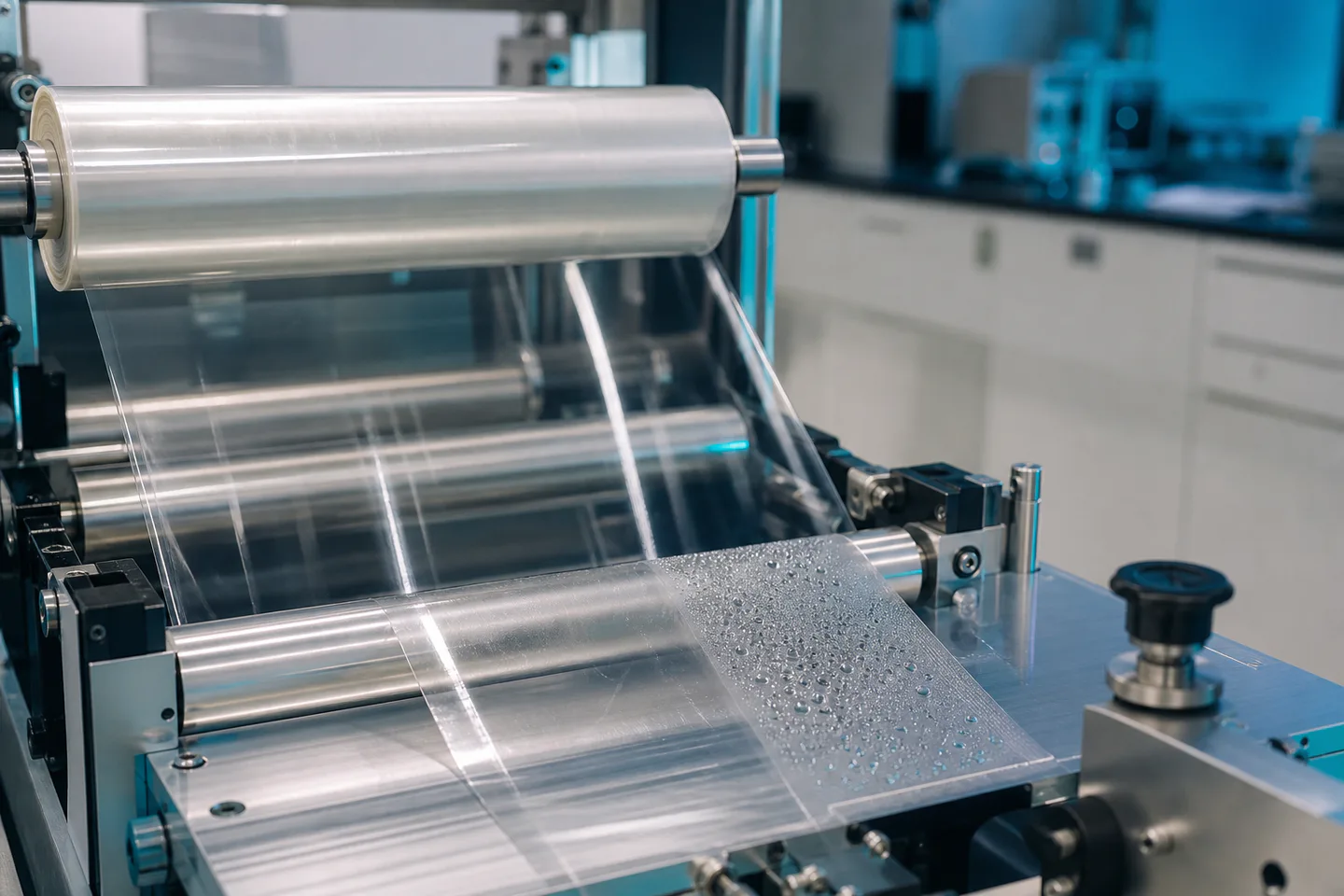 Illustrative visual
Hydrophobic Materials and Coatings: What to Test Before Selection
Move beyond contact angle when evaluating hydrophobic materials for polymer films, outdoor equipment and wind-turbine blade surfaces.
Read article ↗Technical questions to confirm
Questions an engineer should answer before selection.
What radome substrate and existing finish are used?
Provide the polymer, surface treatment and any approved cleaning process so compatibility testing can be planned.
Which RF requirement must remain unchanged?
State the operating frequency range and the equipment-level transmission or insertion-loss acceptance criteria.
What outdoor exposure should the evaluation reproduce?
Rain intensity, wind speed, ultraviolet exposure, temperature cycling and cleaning method should be defined for the intended service.
Discuss your application
Send the substrate, equipment and operating condition.
Use the form for an application discussion, joint R&D or materials distribution.
More applications