Industry insight · 9 min read
Hydrophobic Materials and Coatings: What to Test Before Selection
Move beyond contact angle when evaluating hydrophobic materials for polymer films, outdoor equipment and wind-turbine blade surfaces.
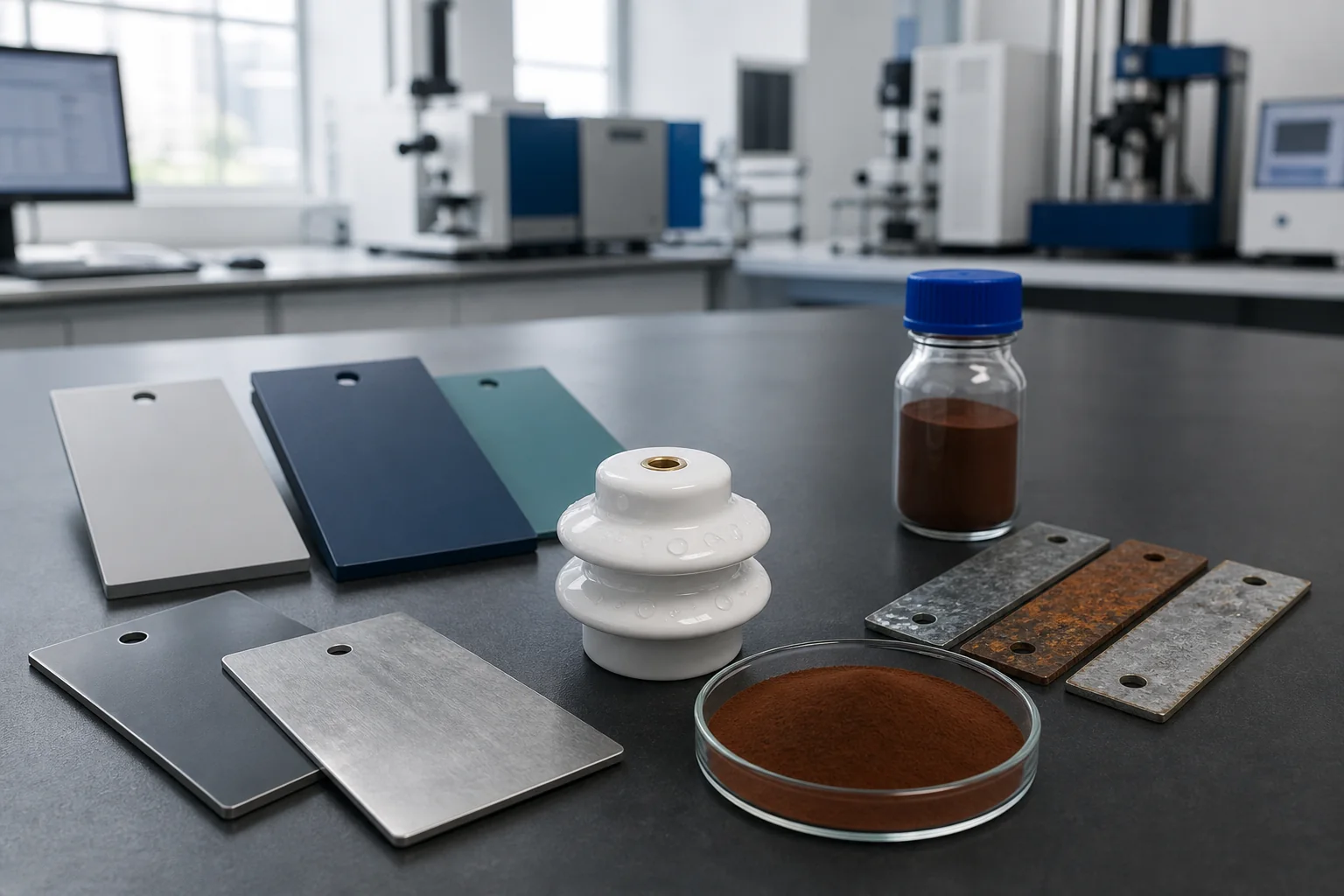
 Illustrative visual
Testing a hydrophobic material on the finished surface
Whether you start with a coating, powder or treated polymer, test the surface that will actually be used.
- Material form
Choose a coating, a powder for formulation, or a treated polymer.
- Finished surface
Control substrate, dispersion, application and cure.
- Water exposure
Define rain, condensation, spray, immersion or icing.
- Conditioning
Apply relevant cleaning, abrasion, weathering or cycling.
- Retest
Repeat the wetting tests and check that the equipment still performs its main function.
Decide what the surface needs to do with water
A hydrophobic material may reduce wetting, help droplets move, leave less water behind or make cleaning easier. Specify which result matters to the application. Describe exposure to rain, spray, condensation, immersion, icing or contaminated water, and agree how to compare the treated surface with a control.
Choose a material form that suits the substrate and process
A ready-to-use coating, a functional powder and a treated polymer film need different development work. Record the substrate chemistry, roughness, existing treatment and preparation. For formulation and application, specify the binder or carrier, dispersion, film thickness and cure. Test the finished surface, since the properties of an ingredient alone do not establish the performance of the coating system.
Read contact angle and roll-off results together
Static contact angle describes a droplet on a surface using a specified method. Advancing and receding angles, contact-angle hysteresis and roll-off measurements help show how readily the droplet moves. Droplet size, surface condition and procedure affect the results, so check these details before comparing values from different methods.
Reproduce the water exposure in service
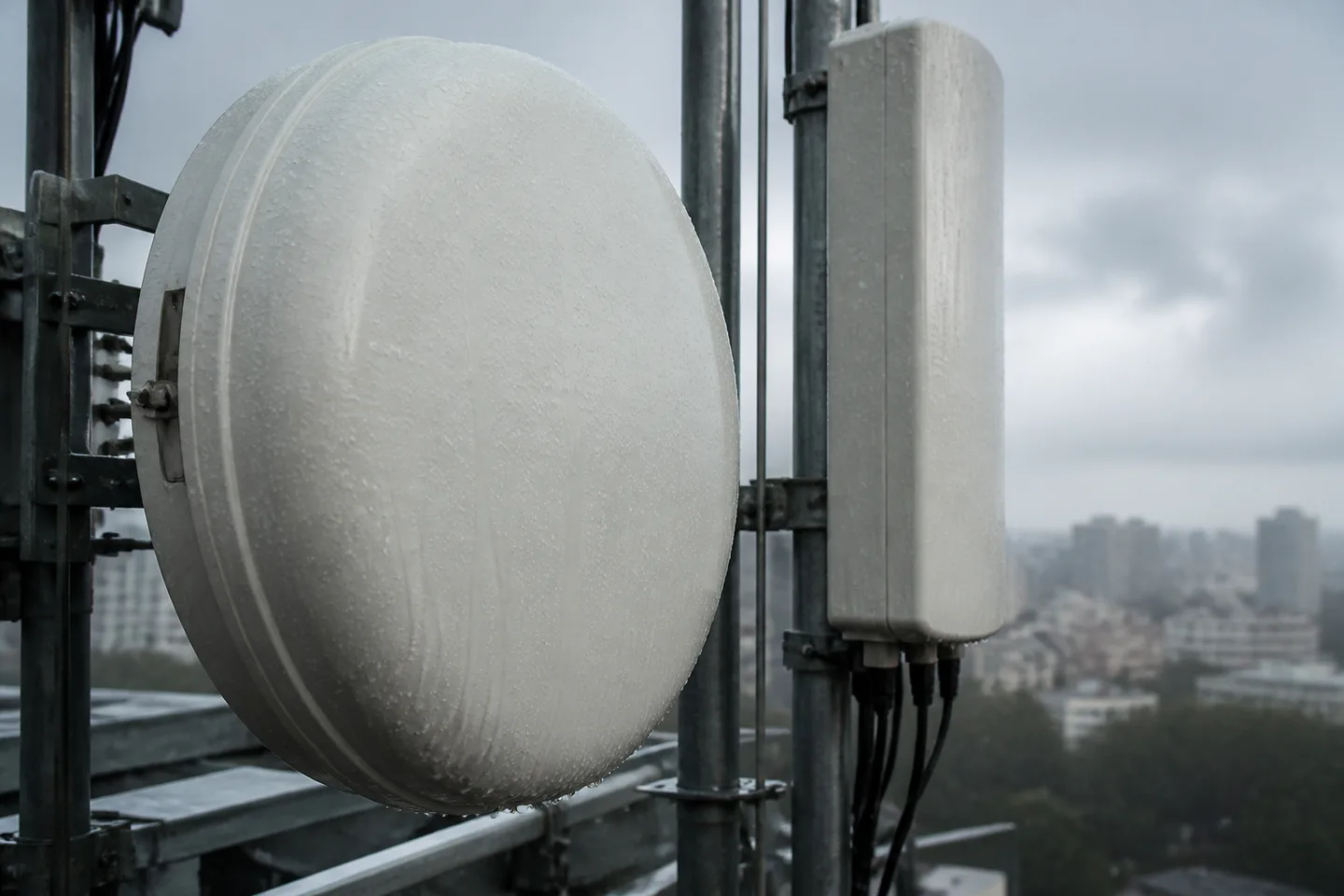
Outdoor electrical equipment, radomes and exposed housings are affected by dirt, cleaning, weather and repeated wetting. Measure the surface initially and again after relevant exposure cycles. Where icing is a concern, test freezing delay, ice adhesion, freeze-thaw cycles and water-spray conditions separately. Water repellency alone cannot establish that the surface will remain free of ice.
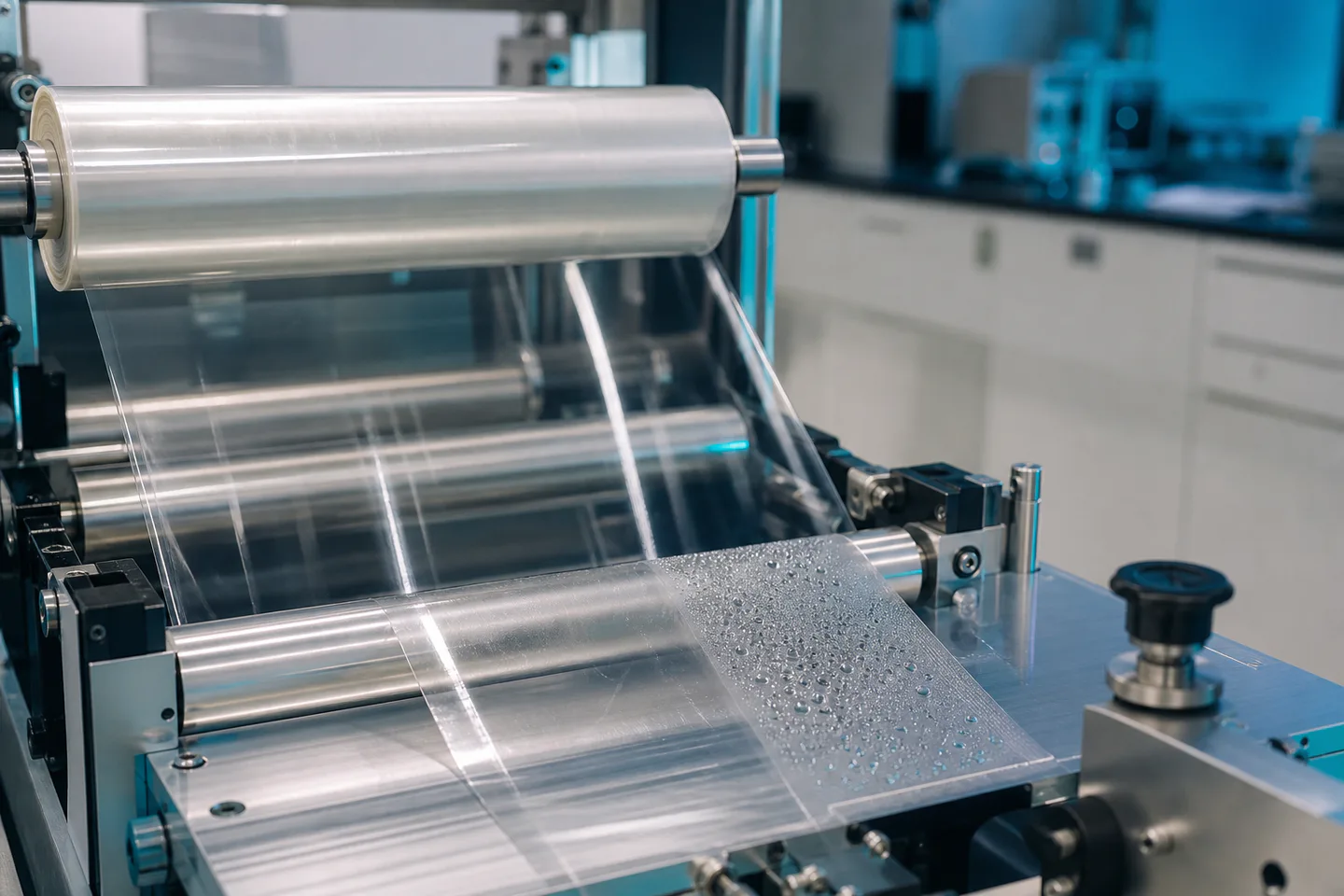
Check printing, bonding and sealing on polymer films
A treatment that improves water repellency may also change printing, adhesive bonding, lamination, heat sealing, blocking, gloss or haze. Use the intended film grade and production process. Check bending, abrasion and appearance, together with each downstream operation that must remain within acceptance limits.
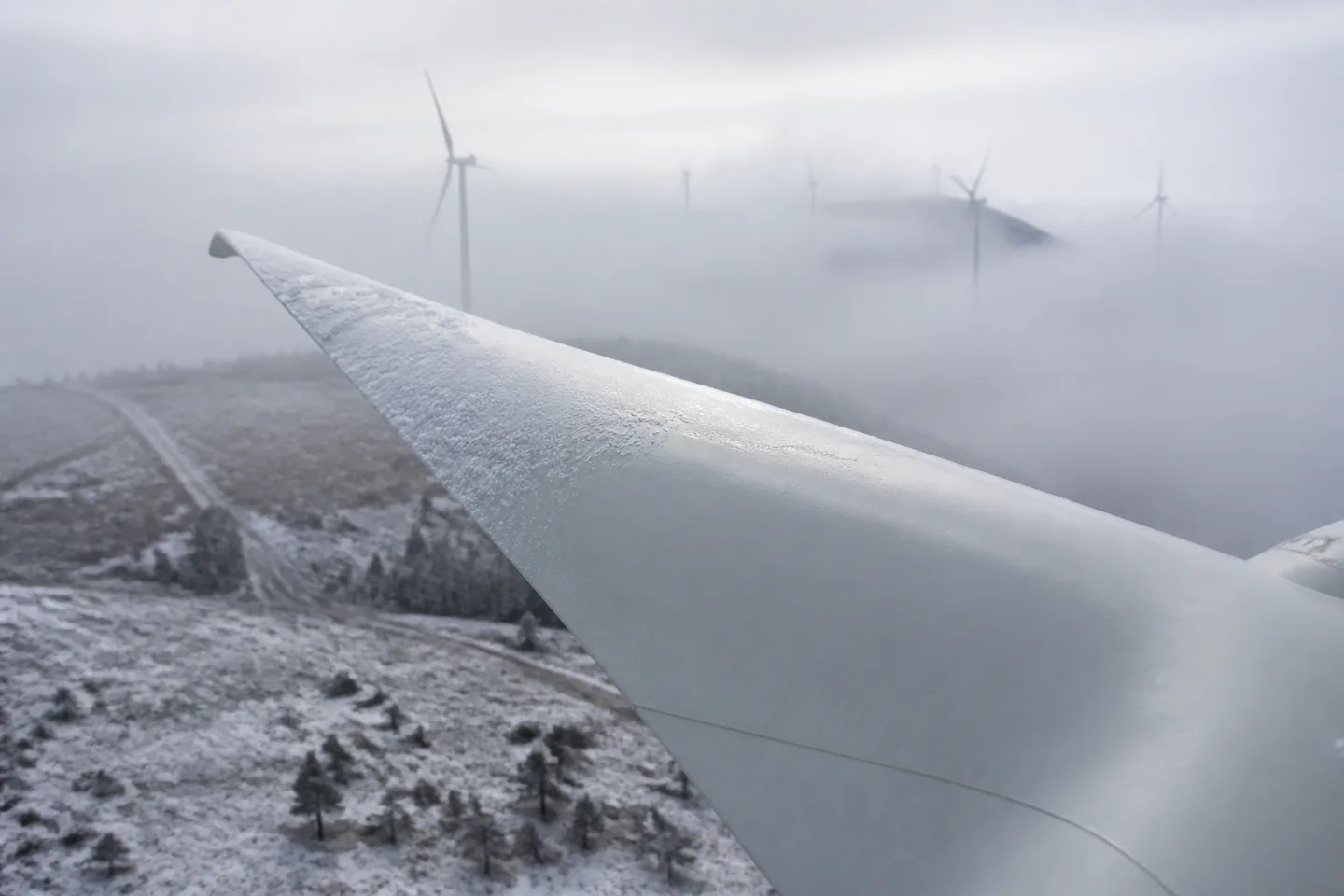
Include erosion and icing tests for turbine blades
Use the actual topcoat or a representative blade laminate. Check adhesion and compatibility and measure initial wetting and icing behavior. Repeat those measurements after relevant rain erosion, weathering or cycling, and inspect for cracking, lifting, mass loss and changes in roughness. The owner or OEM must assess aerodynamic and operating requirements on the complete blade system.
Measure performance again after use-related exposure
Pair each initial test with the same measurement after cleaning, wear or other conditioning that represents service. Repeat the electrical, optical, RF, printing, sealing or aerodynamic checks relevant to the application. A supplier inquiry should state the substrate, water exposure, process, functions to preserve, cleaning conditions and proposed acceptance method.
Contact angle and droplet mobility answer different questions
The comparison illustrates wetting behavior; it does not set a performance threshold.
- High angle, pinned
A droplet may appear rounded yet remain attached to the surface.
- Mobile droplet
Roll-off or hysteresis adds information about how readily water moves.
- After conditioning
Contamination, cleaning and wear can change both behaviors.
- Application function
Retest optical, electrical, RF, printing or aerodynamic needs.
References
Questions engineers often ask
What is the difference between hydrophobic and superhydrophobic materials?
Both describe wetting behavior, but reported values depend on the surface and method. Neither label proves application durability or another function by itself.
Can a hydrophobic polymer film still be printed, laminated or heat-sealed?
Possibly, but it must be verified on the actual film and process because the surface treatment can also change ink, adhesive or seal behavior.
Does a hydrophobic coating prevent wind-turbine blade icing?
Not by definition. Evaluate the icing event, ice adhesion, freeze–thaw, erosion and the blade system. Hydrophobicity alone does not guarantee an ice-free blade.
How is a hydrophobic functional powder compared with a finished coating?
A powder is an ingredient used to formulate a material. Check its dispersion, binder compatibility, loading and processing, then measure the performance of the finished film.
What data should accompany a hydrophobic-material inquiry?
Include the substrate and existing treatment, process, water or icing exposure, functions to preserve, contamination and cleaning, durability conditions and acceptance method.