Application
Water-Repellent Optical Surfaces
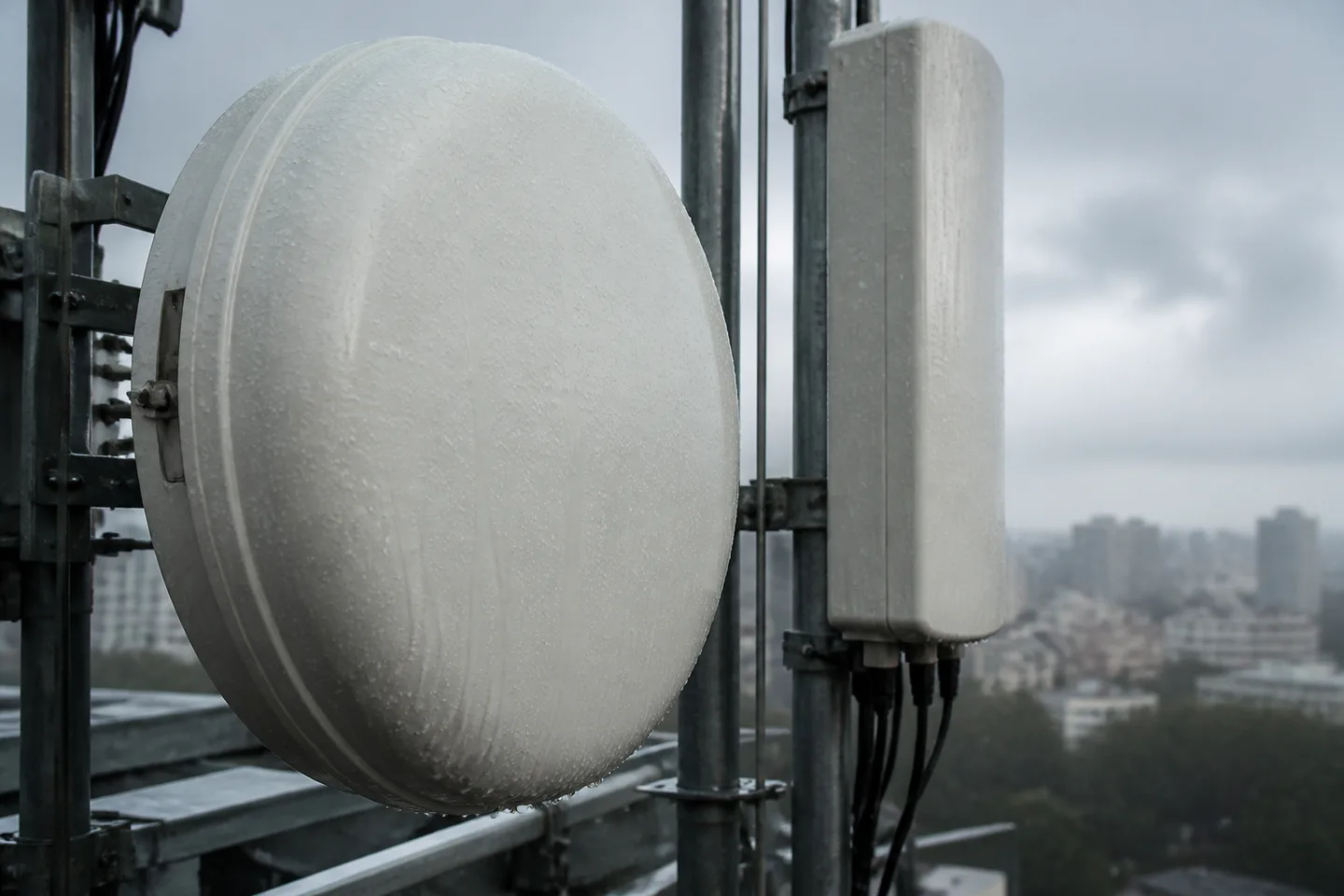
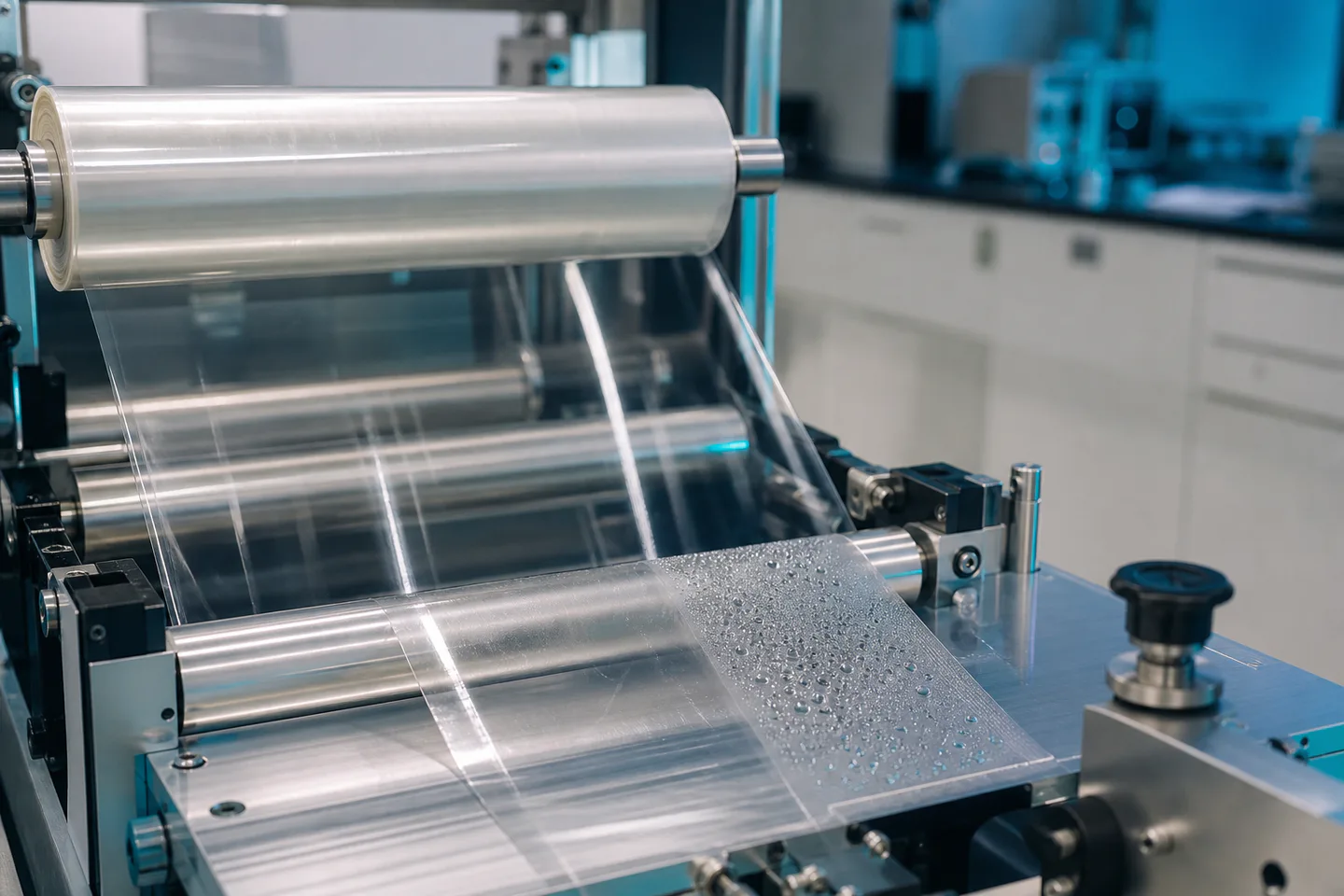
Water droplets and deposited dust can reduce visibility or sensor function on exposed transparent surfaces.
 Illustrative visual
The challenge
Why this equipment needs a defined material evaluation.
The operating environment and failure mechanism must be defined before material selection.
Substrate preparation, access, cure and inspection controls affect the finished application.
A representative comparison must use the real equipment constraints and an agreed acceptance method.
Relevant DSAN materials
Connect the application to available products.
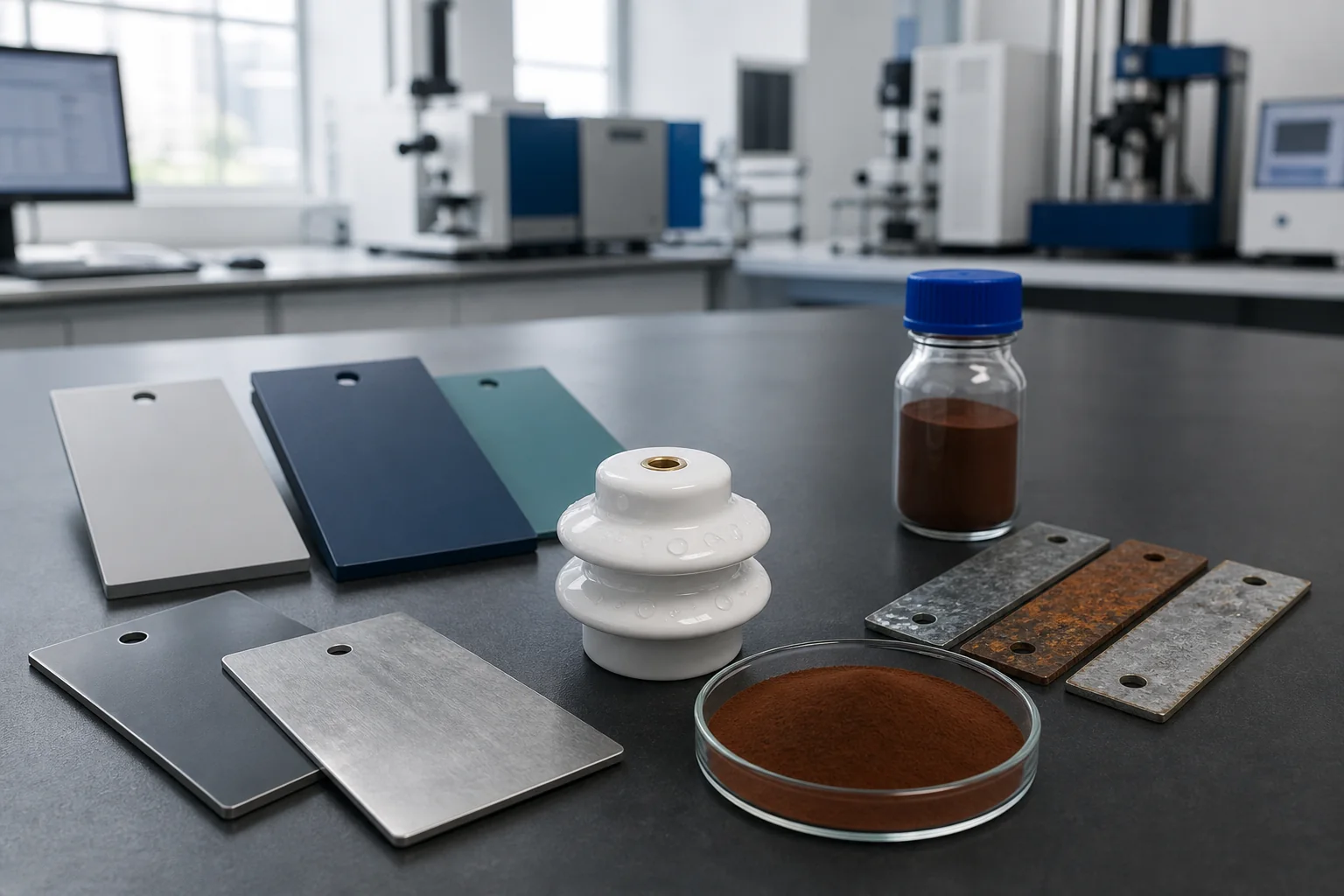
DSAN NEW MATERIALS surface materials can be screened against the optical substrate, transparency, adhesion, cleaning, abrasion and outdoor exposure requirements.
View Related SolutionTypical equipment
- Monitoring cameras
- Protective windows
- Outdoor sensors
- Transparent equipment covers
Key evaluation parameters
Define the test condition before comparing materials.
The table separates the parameter to evaluate from the value or project condition that still needs confirmation.
| Parameter | Why it matters | Current value / status |
|---|---|---|
| Equipment and substrate | Defines compatibility, preparation and permitted treatment areas. | Project input required. |
| Operating exposure | Combines wetting, visible-light transmission, haze, adhesion, abrasion and cleaning durability. | Project input required. |
| Application controls | Records preparation, film build or component placement, cure and inspection. | Project input required. |
| Acceptance method | Connects material data with the finished-equipment decision. | Project input required. |
Related products
Review the relevant products.
Compare each product format with the actual substrate, equipment and operating conditions.
Related industry insights
Read the industry and technical background.
 Illustrative visual
How Superhydrophobic Surfaces Manage Water
How hierarchical texture, trapped air and surface chemistry influence wetting—and what to validate before choosing a material format.
Read article ↗ Illustrative visual
Industrial Optical Windows: Test with the Real Cutting Fluid
For machine-vision and observation windows, oil repellency must work alongside optical clarity, cleaning durability and the actual coolant—not just a demonstration droplet.
Read article ↗Technical questions to confirm
Questions an engineer should answer before selection.
What equipment and substrate are involved?
Provide the equipment type, material, existing finish, accessible area and any electrical or process constraints.
Which exposure must the material withstand?
Describe temperature, moisture, contamination, chemicals, sunlight, mechanical loading and maintenance conditions relevant to the application.
How will the project assess the result?
Identify the comparison, test method, inspection or equipment-level performance criterion.
Discuss your application
Send the substrate, equipment and operating condition.
Use the form for an application discussion, joint R&D or materials distribution.
More applications