Applications

Electrical and industrial applications.

See where DSAN materials may be used, from electrical insulation and equipment enclosures to outdoor surfaces and steel structures.

Laboratory workspace at DSAN NEW MATERIALS

Explore applications

Find the closest equipment or surface condition.

Use these pages for initial screening. Final material selection depends on the actual substrate, operating condition and required test method.
Illustrative radome in heavy rain for hydrophobic surface evaluationIllustrative visual
Application

Hydrophobic Coatings for Radomes & Antennas

Hydrophobic material screening for radome and antenna surfaces where persistent water films must be reduced without compromising radio-frequency performance.

Explore application ↗
Illustrative polymer-film coating process with water-repellent surface behaviourIllustrative visual
Application

Hydrophobic Coatings for Polymer Films

Development of water-repellent flexible films while preserving adhesion, optical properties, flexibility and downstream processing.

Explore application ↗
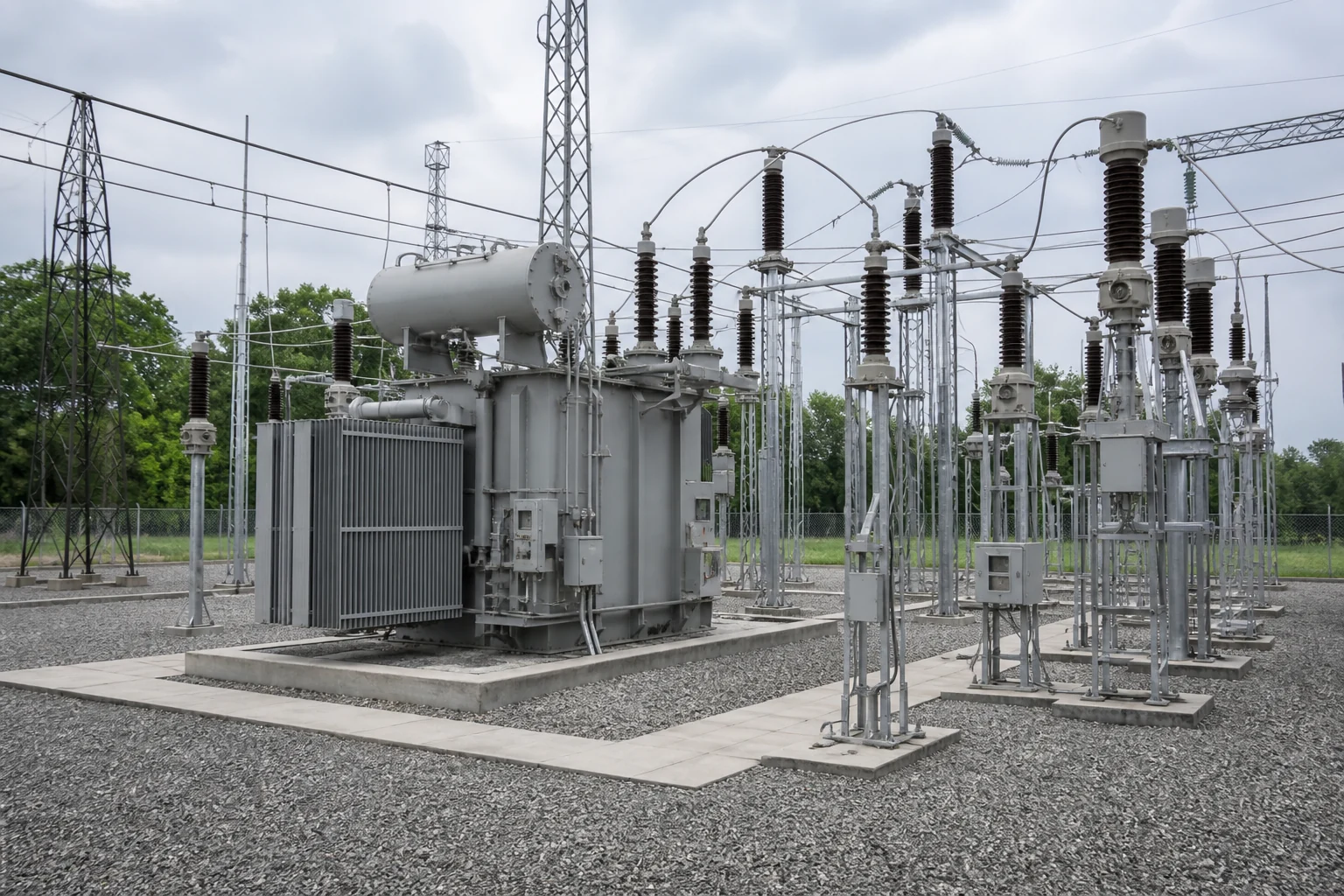
Outdoor electrical insulator protected by a superhydrophobic coating to reduce continuous water films on contaminated surfacesIllustrative visual
Application

Superhydrophobic Protection for Electrical Insulators

Hydrophobic coating for ceramic and glass insulation exposed to contamination, moisture and conductive water films.

Explore application ↗
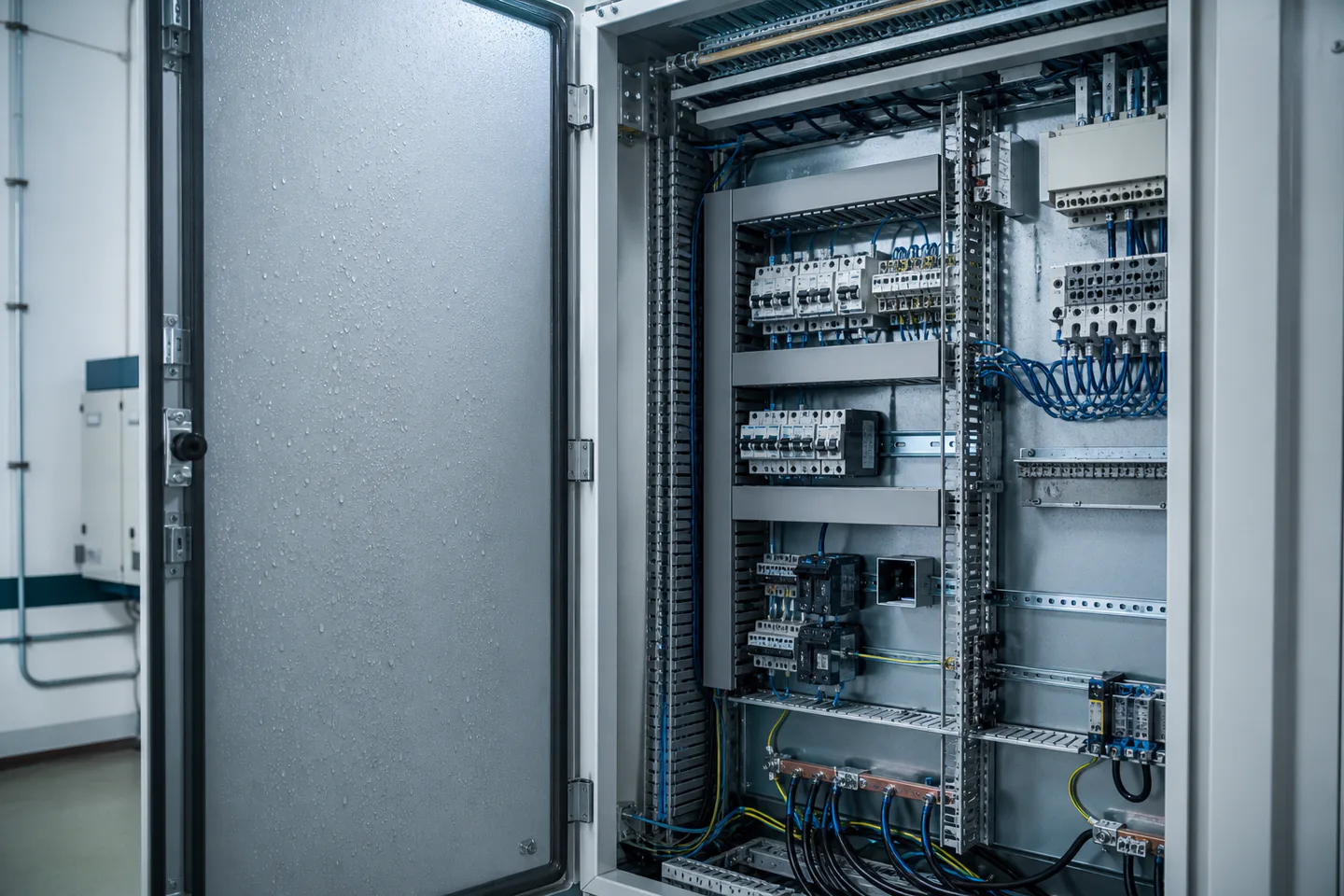
Illustrative electrical cabinet showing condensation on enclosure surfacesIllustrative visual
Application

Condensation Control for Electrical Cabinets

Low-wetting surface treatment for cabinet interiors and insulation interfaces exposed to humidity cycles and temperature-driven condensation.

Explore application ↗
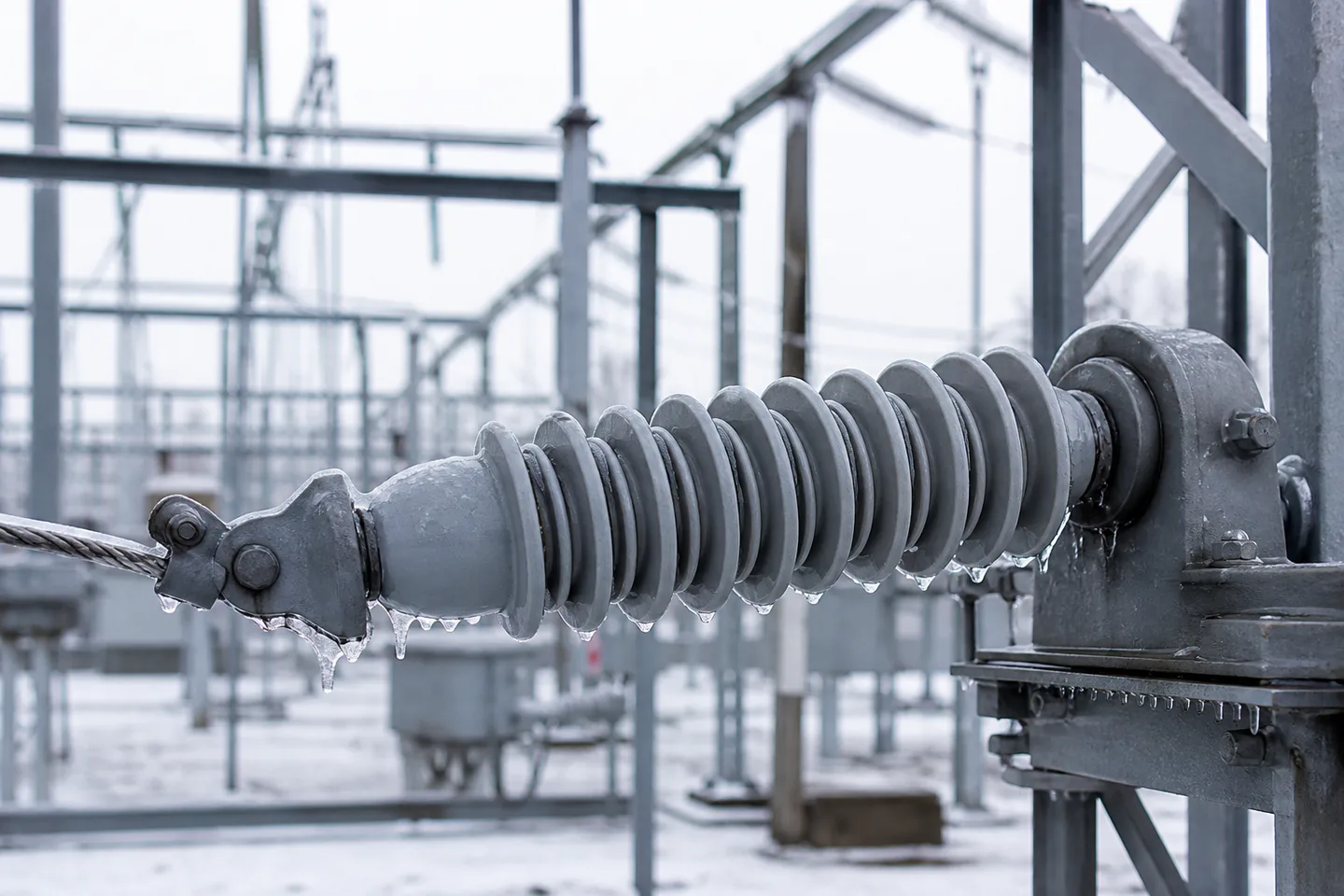
Illustrative outdoor power equipment in a controlled winter icing conditionIllustrative visual
Application

Anti-Icing Protection for Outdoor Power Equipment

Coating evaluation for outdoor power assets exposed to freezing precipitation, ice adhesion and repeated freeze-thaw cycles.

Explore application ↗
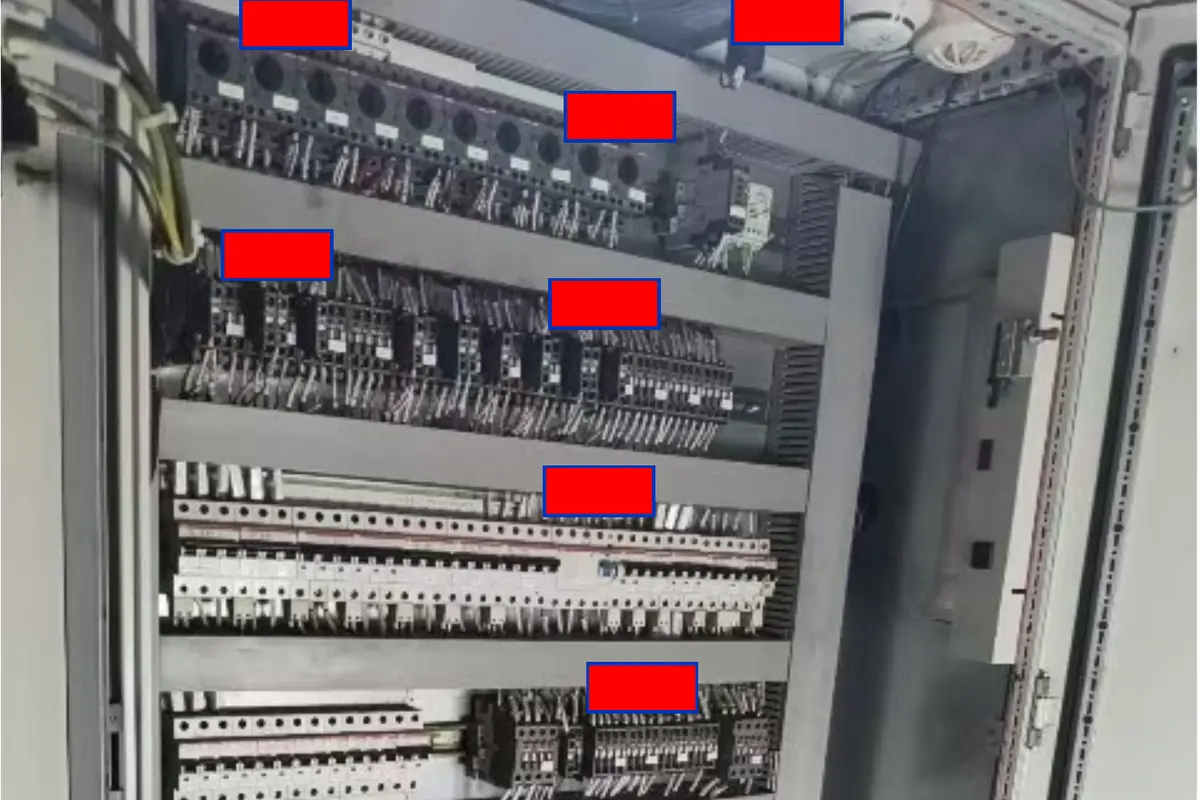
Electrical cabinet showing candidate positions for passive heat-activated fire-suppression components
Application

Heat-Activated Early-Stage Fire Suppression for Electrical Cabinets

Selection of heat-activated fire-suppression components for identified early-stage fire risks inside compact electrical enclosures.

Explore application ↗
Illustrative wind-turbine blade in winter anti-icing service conditionsIllustrative visual
Application

Anti-Icing Protection for Wind-Turbine Blades

Coating evaluation for blade surfaces exposed to freezing precipitation, aerodynamic loading, erosion and repeated freeze-thaw cycles.

Explore application ↗
Illustrative rail-transit traction equipment requiring insulation and moisture protectionIllustrative visual
Application

Insulation & Moisture Protection for Rail Transit

Hydrophobic and insulating materials for rail and metro insulators, switchgear and traction-power equipment exposed to contamination, condensation and weather.

Explore application ↗
Industrial steel infrastructure evaluated for corrosion-protection coatingsIllustrative visual
Application

Corrosion Protection for Steel Infrastructure

Coating selection for structural steel, tanks, pipework, bridges and fabricated equipment where surface preparation may be constrained.

Explore application ↗
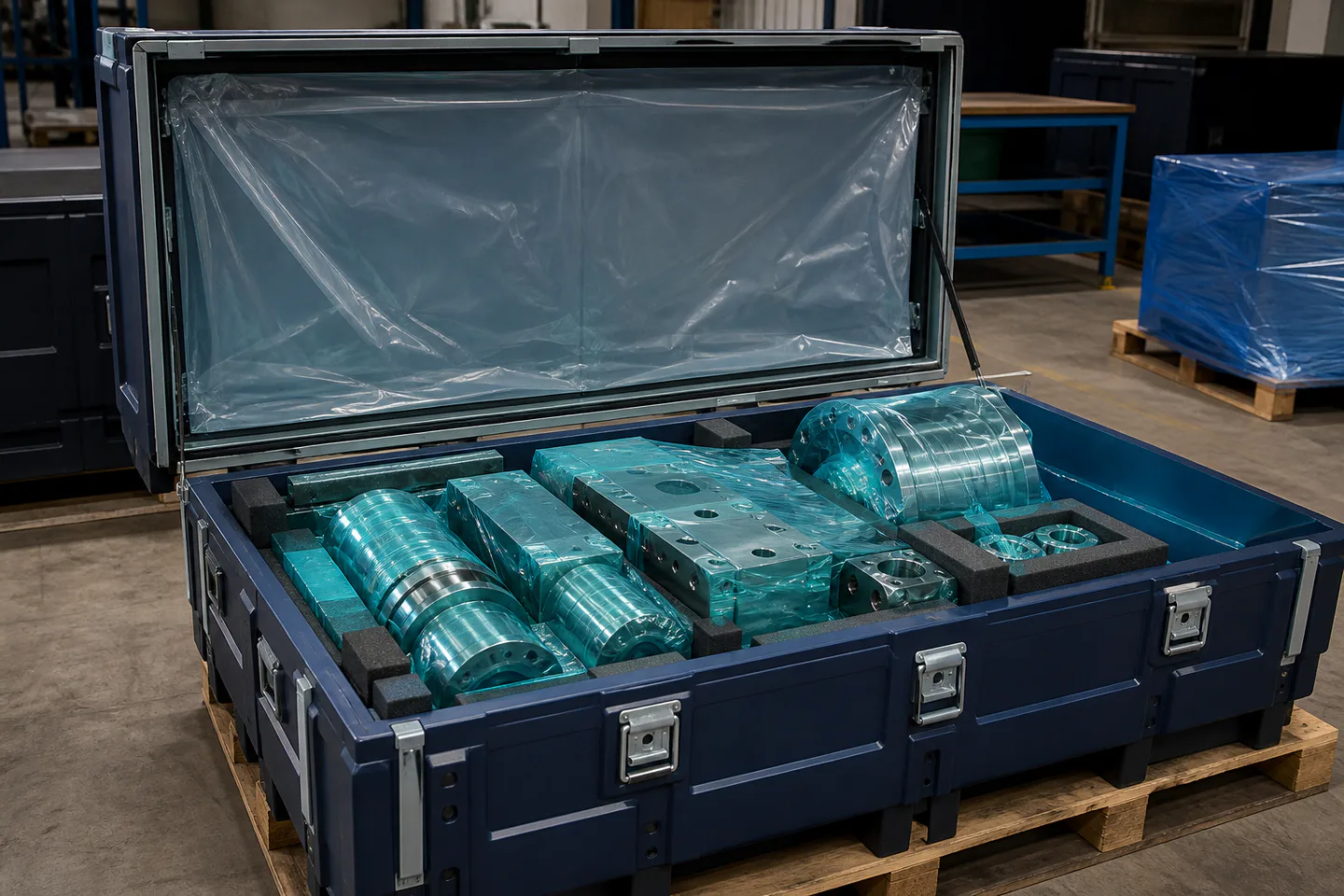
Illustrative enclosed industrial equipment prepared for corrosion preservationIllustrative visual
Application

Corrosion Preservation for Enclosed Equipment

Vapour-phase corrosion control for metal parts inside stored, transported or intermittently operated equipment.

Explore application ↗
Illustrative solar-exposed equipment cabinet for passive-cooling evaluationIllustrative visual
Application

Passive Cooling for Solar-Exposed Equipment

Comparative coating evaluation for cabinets, roofs and equipment housings exposed to high solar heat loads.

Explore application ↗
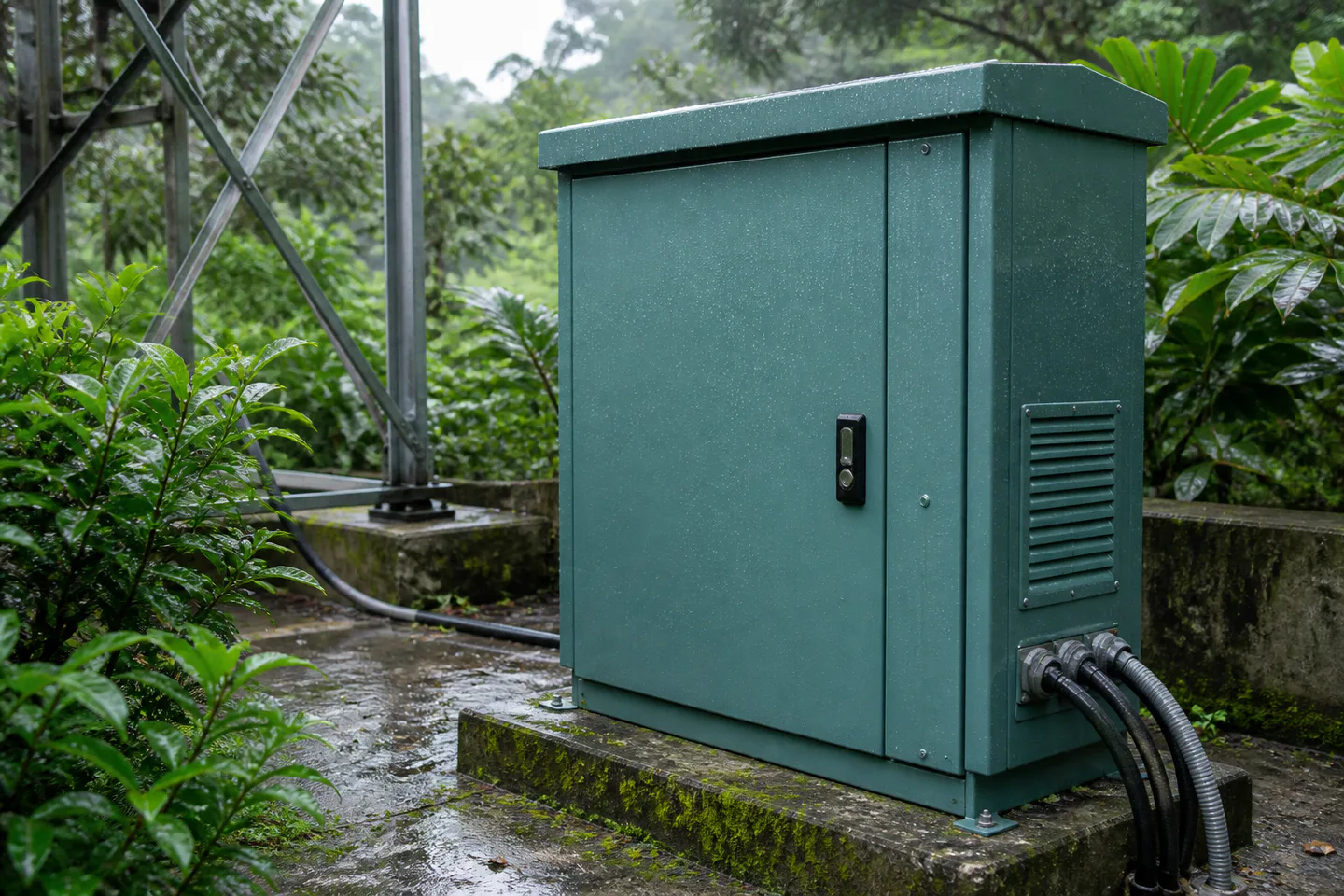
Illustrative outdoor equipment in a humid environment requiring surface protectionIllustrative visual
Application

Mold, Algae & Moisture Protection for Outdoor Equipment

Surface protection for cabinets, housings and infrastructure exposed to persistent humidity, mould or algae.

Explore application ↗
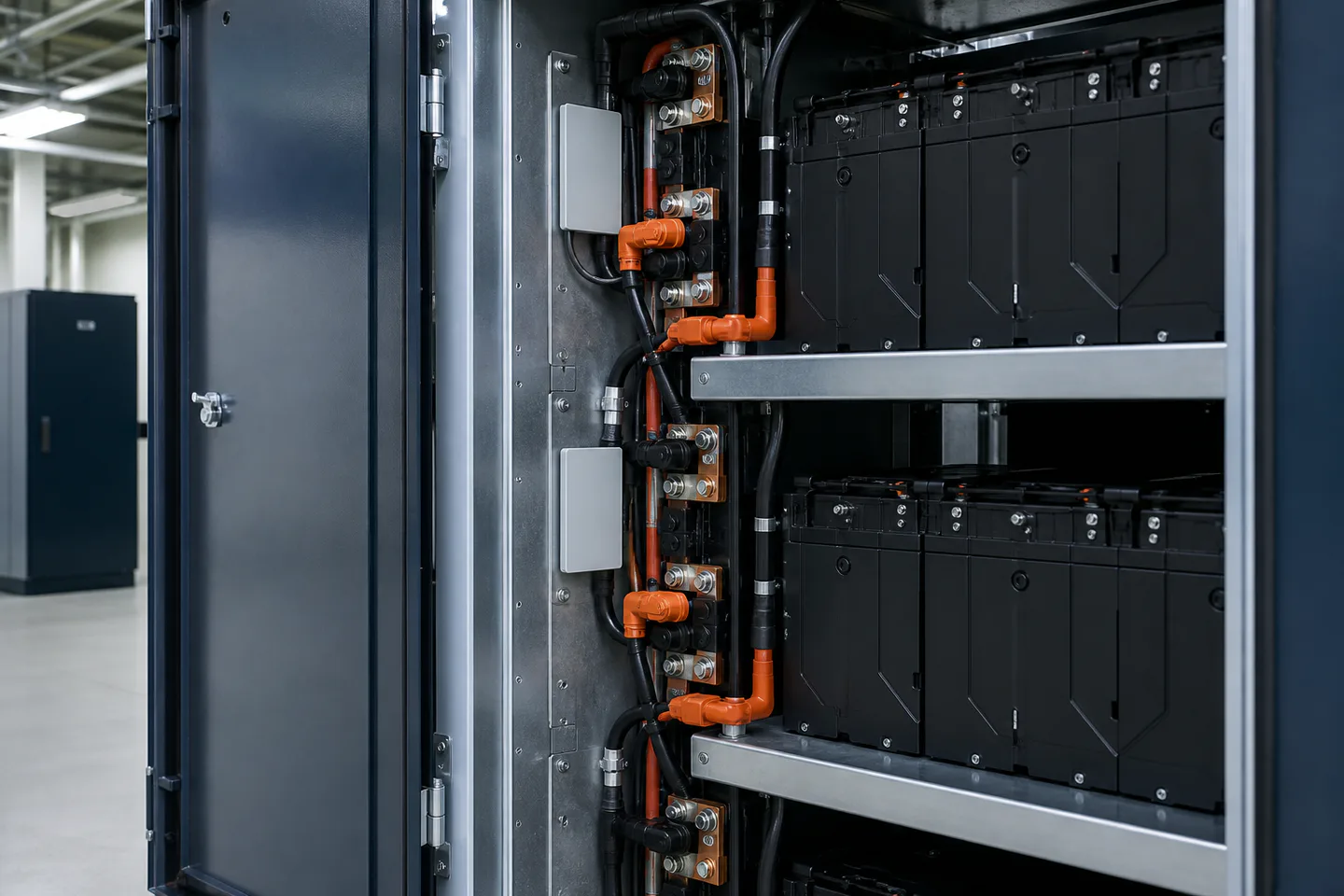
Illustrative energy-storage enclosure for passive fire-suppression integration reviewIllustrative visual
Application

Heat-Activated Early-Stage Fire Suppression for Energy-Storage Enclosures

Integration of heat-activated FK-5-1-12 materials near identified early-stage fire risks in compact energy-storage equipment.

Explore application ↗
Electrical component evaluated for high-build insulation coatingIllustrative visual
Application

Insulation Coating for Electrical Components

High-build insulating coating for selected electrical parts and infrastructure surfaces.

Explore application ↗
Illustrative outdoor monitoring camera with rainwater on its protective optical windowIllustrative visual
Application

Water-Repellent Optical Surfaces

Formulation and coating evaluation for cameras, protective windows and sensors exposed to rainwater films and dust.

Explore application ↗

Industry insights

Material selection and testing guides
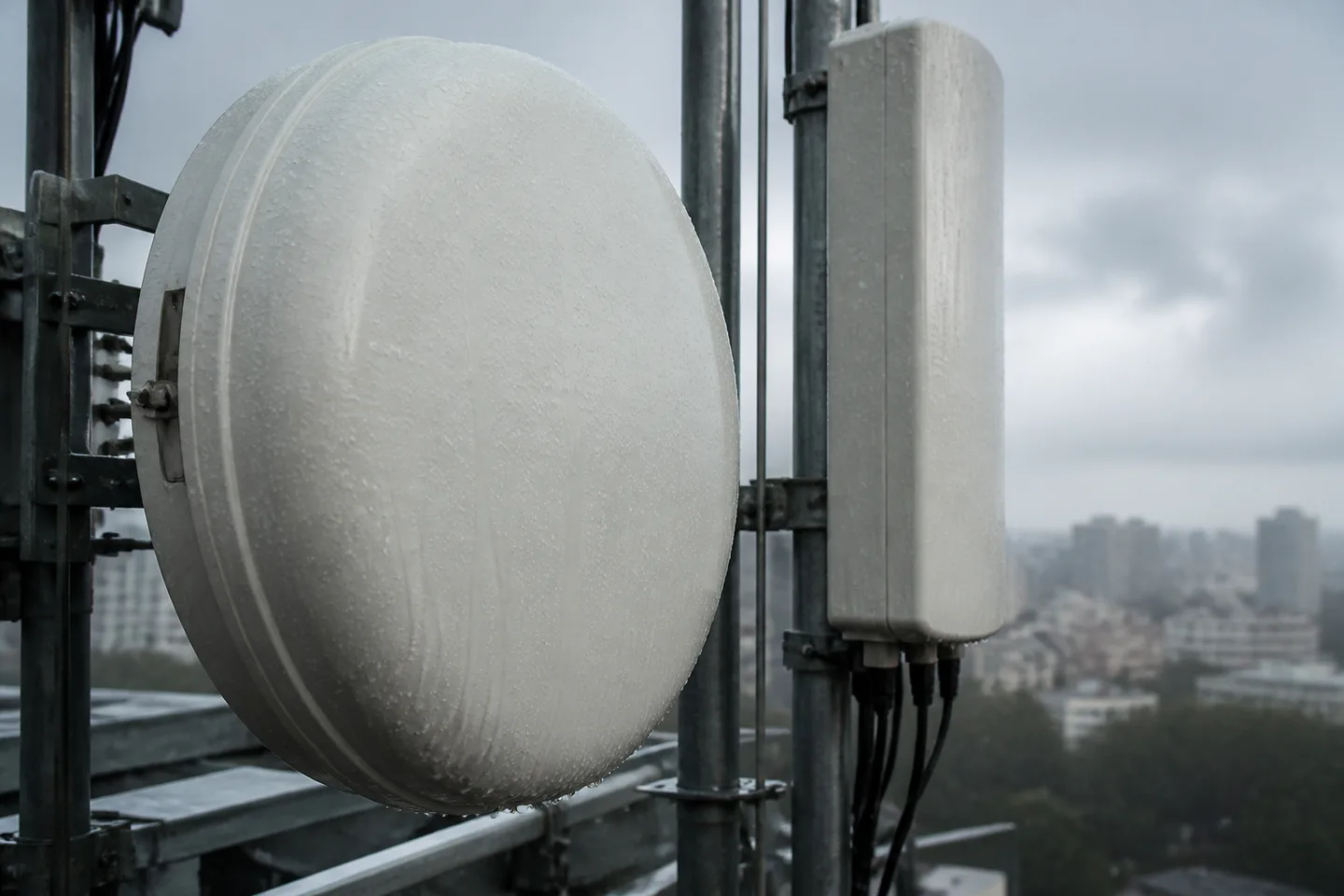
Illustrative exposed antenna radome in rain; not a DSAN installationIllustrative visual

Radome Coatings: What Changes When Rain Meets Oily Dust?

Water repellency is only part of the problem on exposed radomes. Evaluate oily contamination, weathering and RF transmission together before choosing a coating.

Read the guide ↗

Illustration of an industrial camera, replaceable window and cutting-fluid exposureIllustrative visual

Industrial Optical Windows: Test with the Real Cutting Fluid

For machine-vision and observation windows, oil repellency must work alongside optical clarity, cleaning durability and the actual coolant—not just a demonstration droplet.

Read the guide ↗
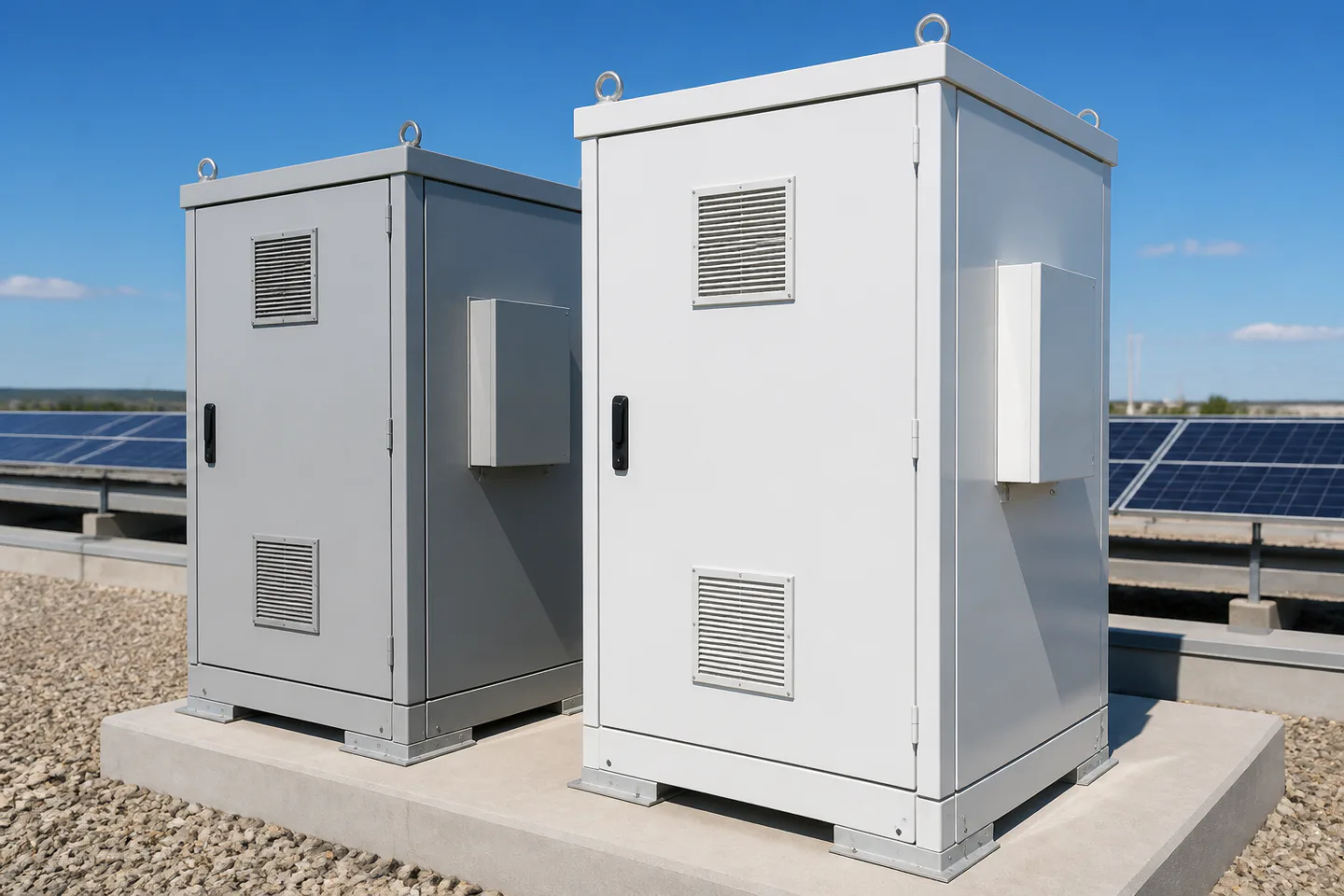
Illustrative outdoor equipment enclosures exposed to sunlight; not a cooling testIllustrative visual

Radiative-Cooling Coatings: What Happens After the Surface Gets Dirty?

A clean panel is the starting point. For outdoor equipment, compare cooling performance after soiling, weathering and the cleaning method you can actually use.

Read the guide ↗
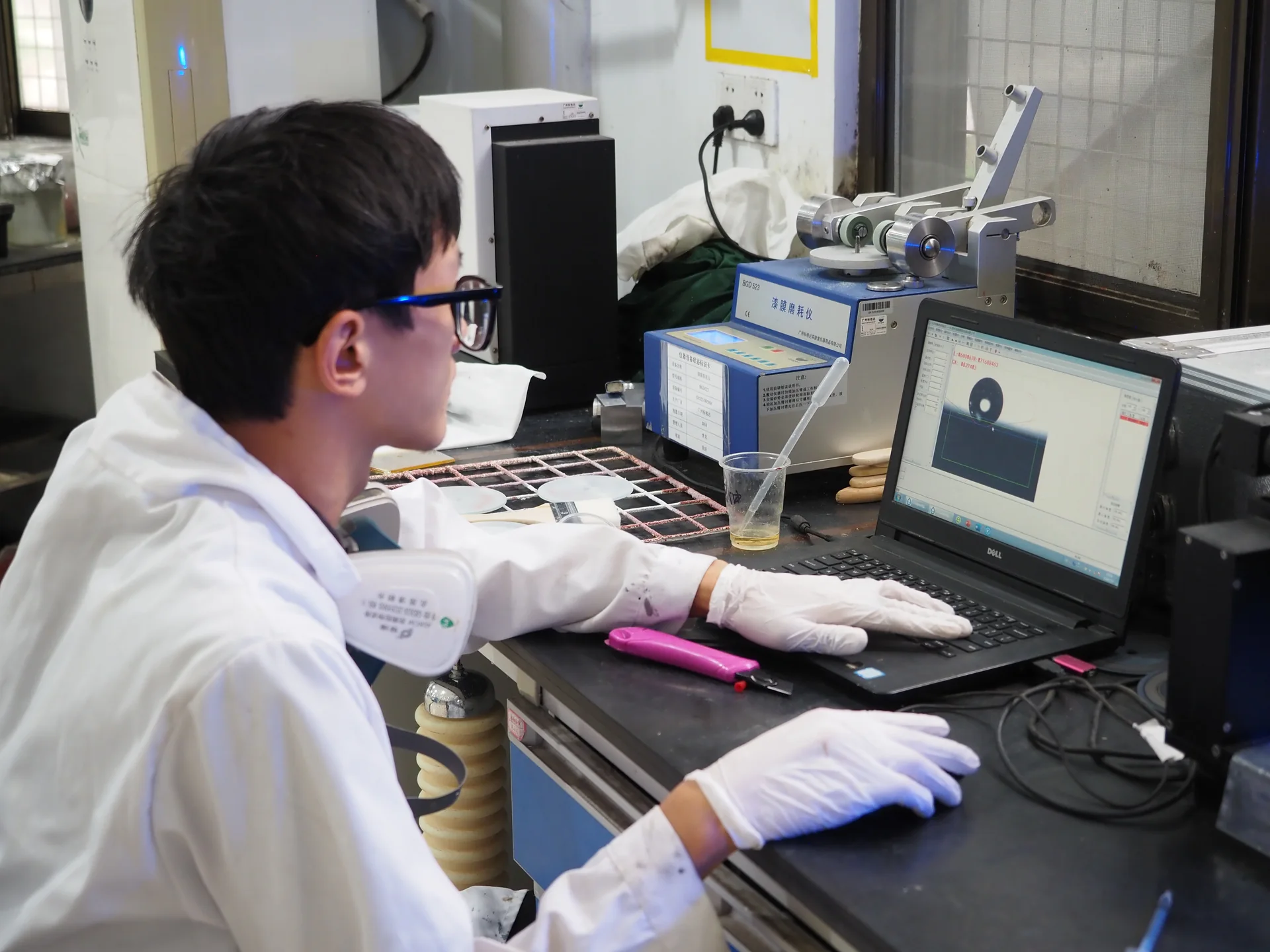
DSAN laboratory photograph of surface measurements and coating-evaluation equipment

Superhydrophobic and Superoleophobic Coatings: Test the Oil, Then Test the Wear

Water beading does not establish oil repellency. A useful comparison identifies the liquid, measures droplet mobility and repeats the checks after realistic wear.

Read the guide ↗
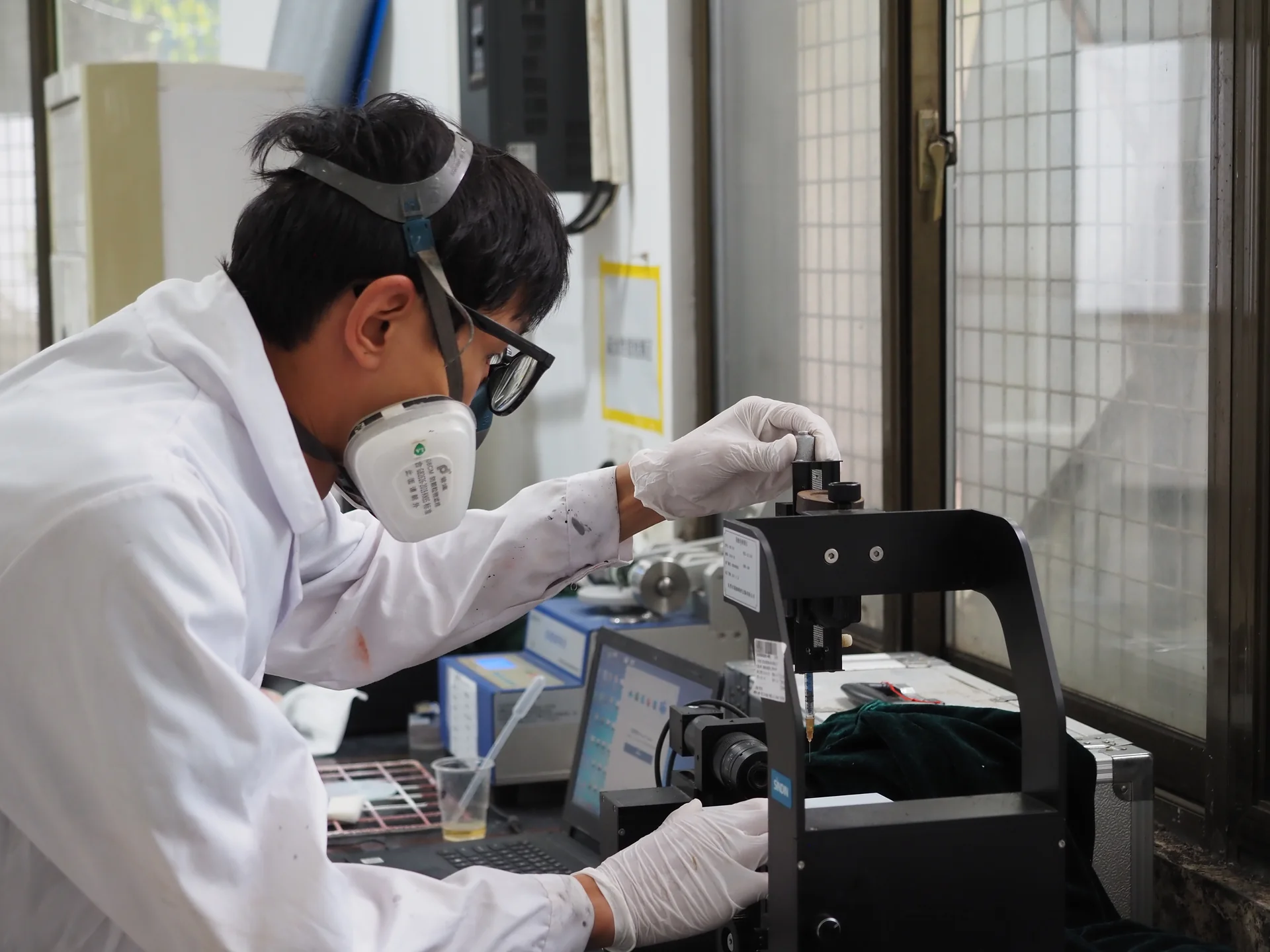
DSAN laboratory photograph of hands-on material evaluation

Functional-Coating Co-Development: From an Actual Part to a Pilot Trial

New applications need not fit an existing catalogue. Start with the component, the problem and a measurable comparison, then develop the material and process.

Read the guide ↗
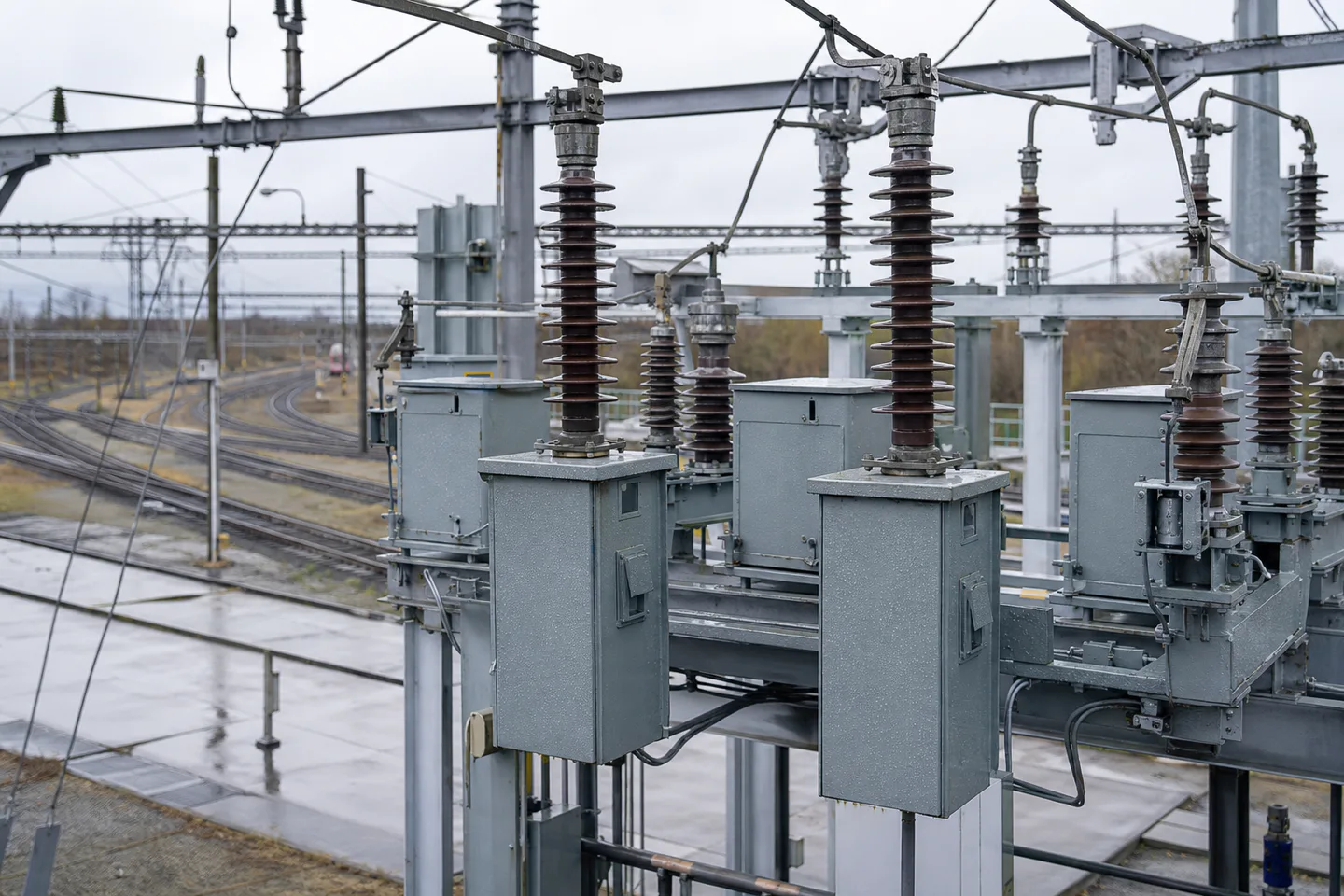
Illustrative rail-transit equipment for electrical-insulation coating evaluationIllustrative visual

How to Evaluate an Electrical Insulation Coating Supplier

What to ask electrical insulation coating suppliers about substrates, film thickness, curing and test results, including the separate requirements of electrical steel strip.

Read the guide ↗
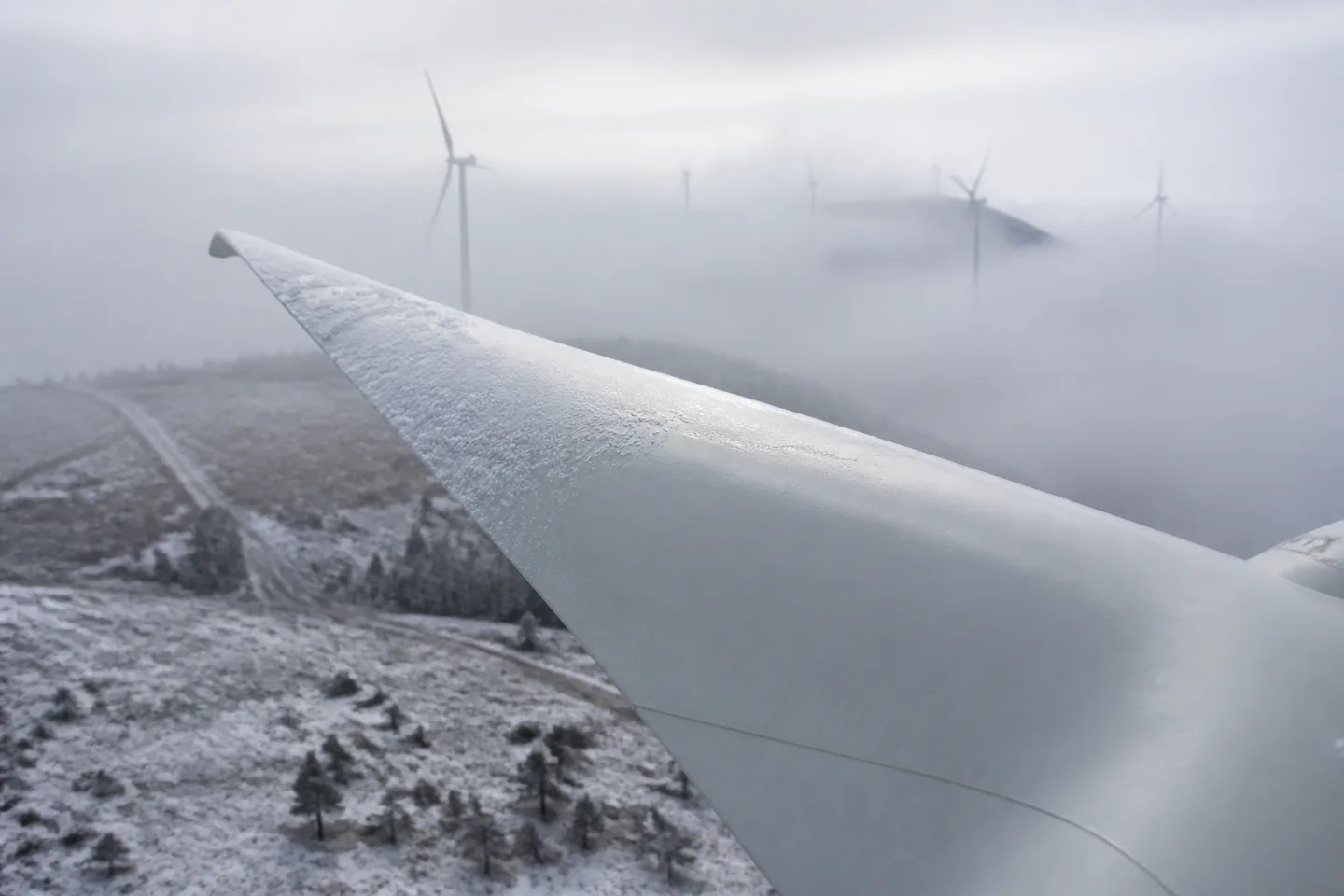
Wind turbine blade anti-icing coating evaluation conceptIllustrative visual

Battling Blade Icing: How to Evaluate an Anti-Ice Coating

How to test anti-icing coatings on wind-turbine blades: reproduce the icing conditions, measure ice adhesion, check erosion resistance and follow performance in the field.

Read the guide ↗

Industrial steel structure considered for corrosion protectionIllustrative visual

Industrial Corrosion Protection: Choosing a Coating for the Steel and Site

How to assess steel condition, surface preparation, coating application and inspection for infrastructure, rail components and stored or enclosed equipment.

Read the guide ↗
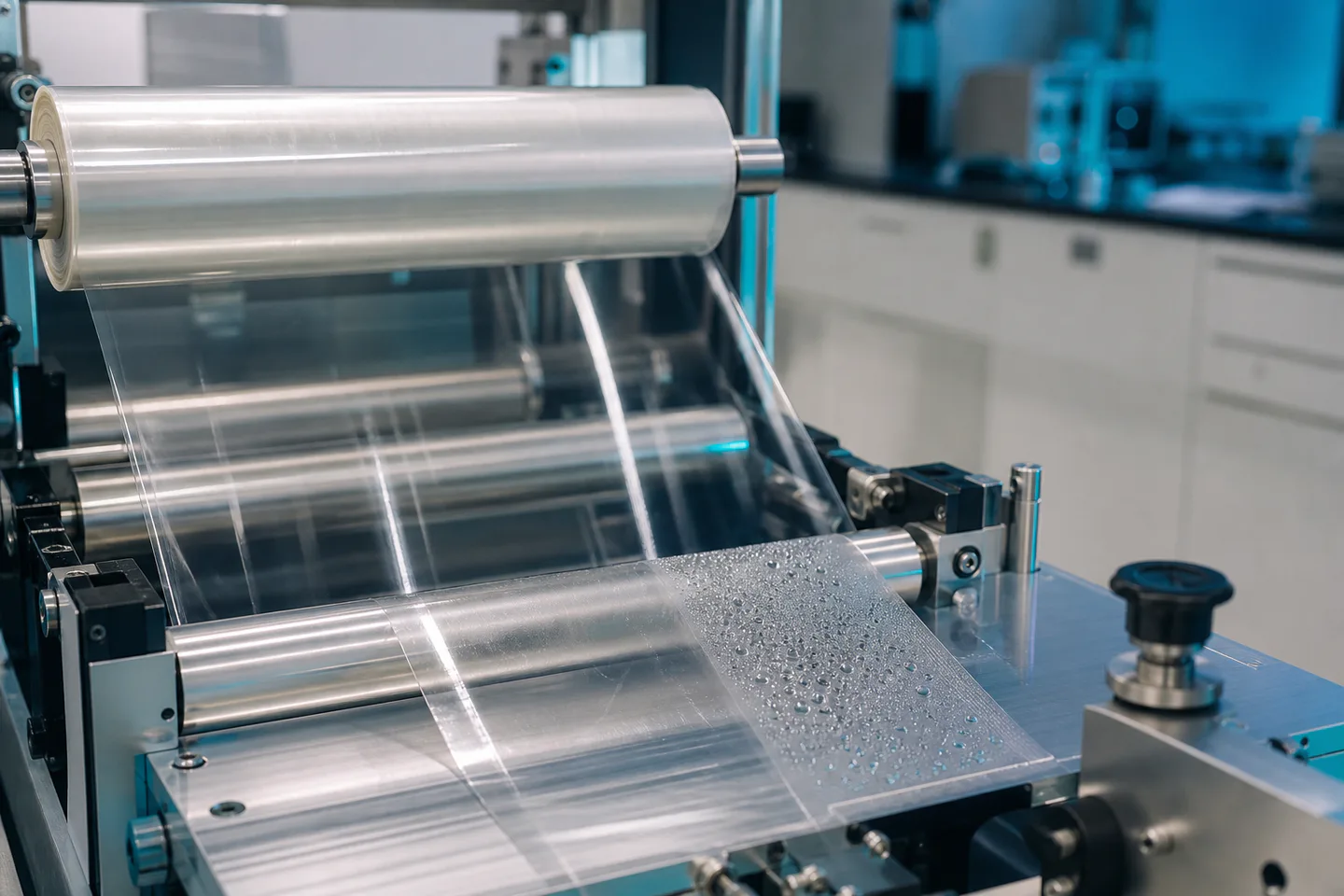
Photographic-style illustration of water droplets on a polymer film during coating evaluationIllustrative visual

Hydrophobic Materials and Coatings: What to Test Before Selection

Move beyond contact angle when evaluating hydrophobic materials for polymer films, outdoor equipment and wind-turbine blade surfaces.

Read the guide ↗

Photographic-style illustration of brown fire-suppression microcapsule powder in a sample vial and dishIllustrative visual

How to Select Fire-Suppression Microcapsules for Electrical and Energy-Storage Enclosures

What to check when selecting fire-suppression microcapsules: enclosure conditions, component form, supplier test reports and performance in the finished equipment.

Read the guide ↗

Start a conversation

Your application is different?

Send the equipment, substrate, operating condition and decision you need to make. DSAN NEW MATERIALS will identify relevant products and test points.