Industry insight · 9 min read
Industrial Corrosion Protection: Choosing a Coating for the Steel and Site
How to assess steel condition, surface preparation, coating application and inspection for infrastructure, rail components and stored or enclosed equipment.
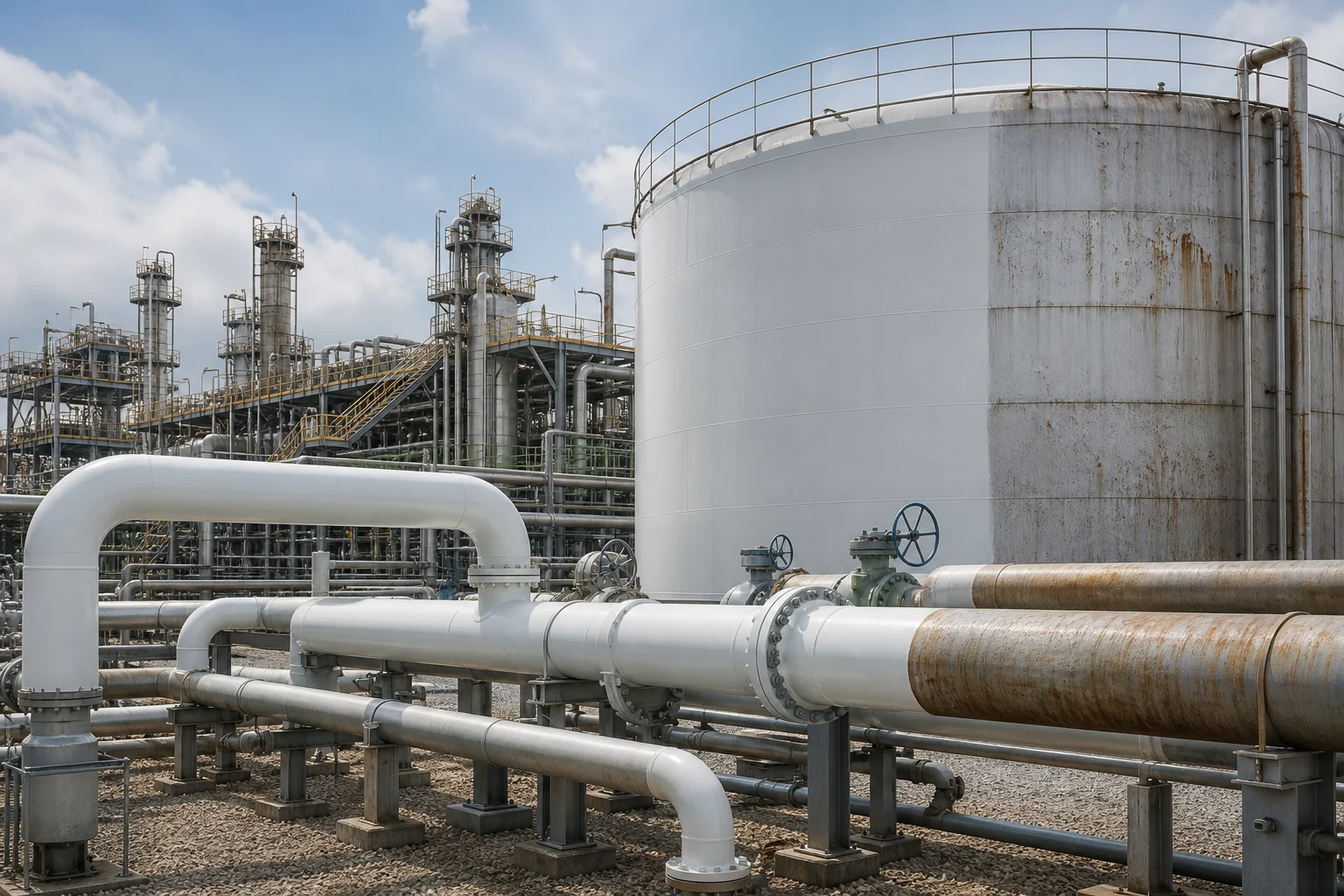 Illustrative visual
Planning corrosion protection
Use inspection results to decide when repairs or further maintenance are needed.
- Exposure
Define wetting, salts, chemicals, temperature and mechanical duty.
- Surface
Survey rust, retained coating, contamination, edges and access.
- Preparation
Set achievable cleanliness, profile and tool limits.
- Coating system
Match the full system to application and cure conditions.
- Inspection
Agree records, acceptance, repair and maintenance triggers.
Specify preparation and application alongside the coating
A protective coating separates steel from corrosive substances. Its effectiveness also depends on surface cleanliness and profile, residual salts, edges and welds, film thickness, curing and repairs. The specification should describe the equipment and exposure, then set out surface preparation, coating layers, application controls, inspection and acceptance criteria.
Record the conditions the steel will face
Descriptions such as outdoor, industrial or coastal need more detail. Record how long the steel stays wet, airborne deposits, condensation, temperature cycles, ultraviolet exposure and chemicals. Include immersion or soil contact, abrasion, impact and maintenance access where relevant. An ISO 12944 durability range helps plan maintenance; it is not a service-life guarantee for every installation.
Assess the steel and feasible preparation methods
New steel, firmly adherent rust, loose scale and old coatings need different preparation. Inspect pitting, welds, edges, contaminants, moisture and areas that are difficult to reach. If blasting is impractical, test the proposed hand- or power-tool preparation with the coating system. A rust-tolerant coating still requires removal of loose corrosion products, oil and salts.
Account for the equipment and maintenance conditions
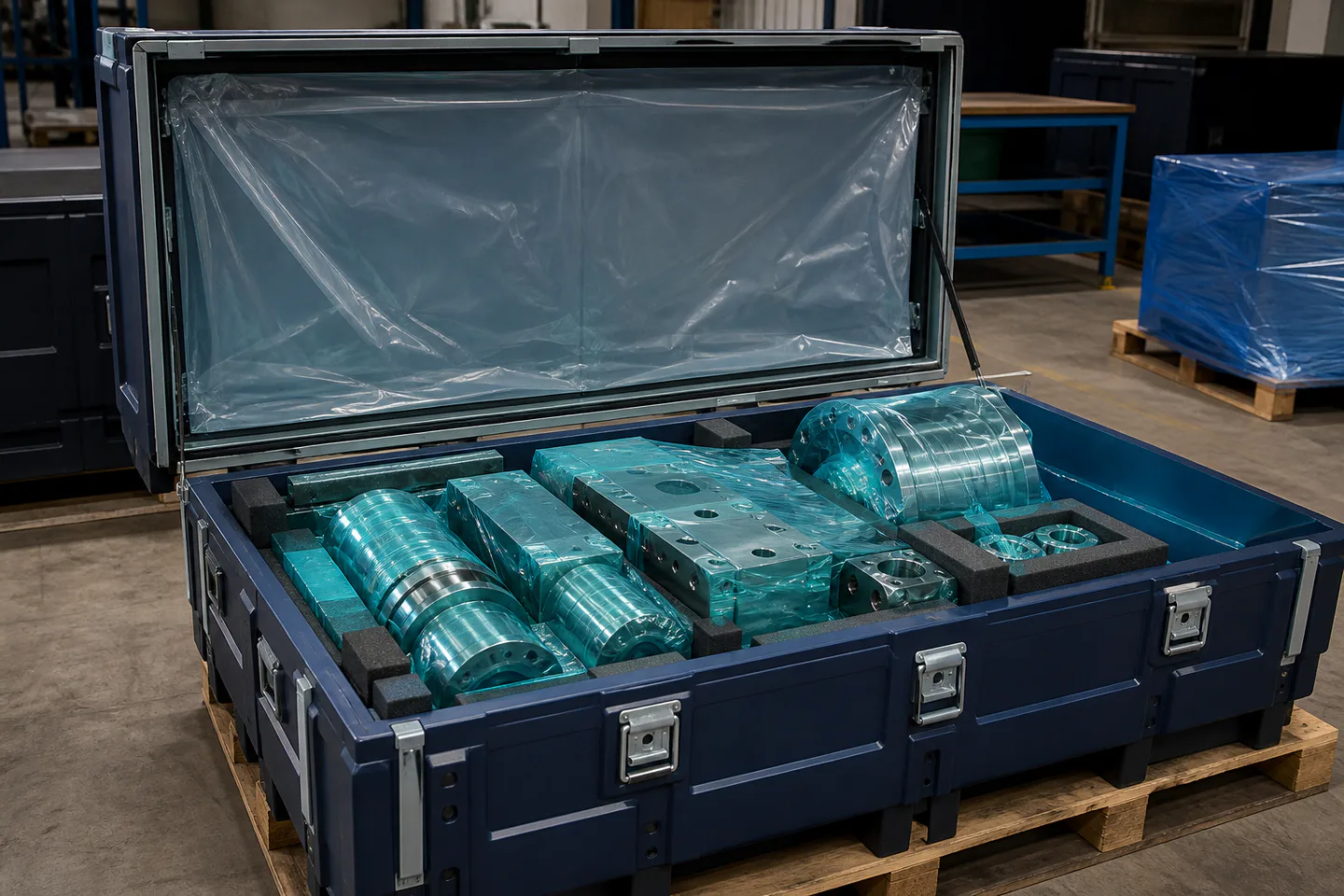
For infrastructure, access, trapped water and atmospheric deposits may determine the specification. Rail components also face vibration, impact and contamination, with electrical or fire requirements set by the owner. Stored equipment needs attention to humidity, packaging, enclosure volume and the different exposed metals. Use these conditions to narrow the choice of protection system.
Compare coatings under the same conditions
Use the same substrate and application conditions when comparing candidates. Check achievable preparation, compatibility with any retained coating, wet- and dry-film thickness control, ambient and cure limits, edge coverage and repairability. Include exposure tests that represent service. High-solids, solvent-free and rust-tolerant describe coating characteristics, but do not establish which system will last longer.
Inspect the work as it is applied
Agree what to record before, during and after application: ambient and steel conditions, cleanliness, batches, mixing, film thickness, cure, visible defects and repairs. Choose adhesion or discontinuity tests according to the coating, geometry and consequences of failure. Set acceptance limits before work begins.
Progress from test panels to a site trial
Review the technical data, then prepare a representative panel or mock-up using the proposed surface preparation and application process. Apply the conditioning required by the project. A controlled field trial may be needed where uncertainty or the consequences of failure are greater. Record comparison conditions and failure modes. For an initial supplier inquiry, send photographs, steel condition, exposure, permitted preparation, curing constraints and acceptance criteria.
What changes between applications?
Infrastructure, rail components and stored equipment need specifications suited to their service conditions.
- Infrastructure
Access, weather, edges, welds and standing water often dominate.
- Rail components
Add vibration, impact, contamination and restricted work windows.
- Stored equipment
Define humidity, packaging, enclosure volume and mixed-metal exposure.
References
Questions engineers often ask
What is needed to select an industrial corrosion-protection system?
Define the asset, steel and existing finish, exposure, allowed preparation, application and cure, applicable specifications, and inspection and acceptance plan.
Can a protective coating be applied directly over rust?
Only with a specified rust-tolerant coating system and preparation method. Remove loose rust, scale, oil, salts and other contaminants as required, then verify the coating on the remaining surface under the intended exposure conditions.
How should rail-component corrosion protection be evaluated?
Include substrate and exposure plus vibration, impact, contamination, maintenance access and any electrical, fire or owner-specific requirements.
Is a high-solids or solvent-free coating automatically more durable?
No. Durability also depends on system design, preparation, film build, cure, geometry, exposure and workmanship.
What evidence should be reviewed before wider application?
Start with verified data and representative panels or mock-ups, then add relevant conditioning, inspection and a controlled field trial where warranted.