Application
Hydrophobic Coatings for Polymer Films
A polymer film may need water repellency while retaining its optical, mechanical, printing, laminating or sealing performance.
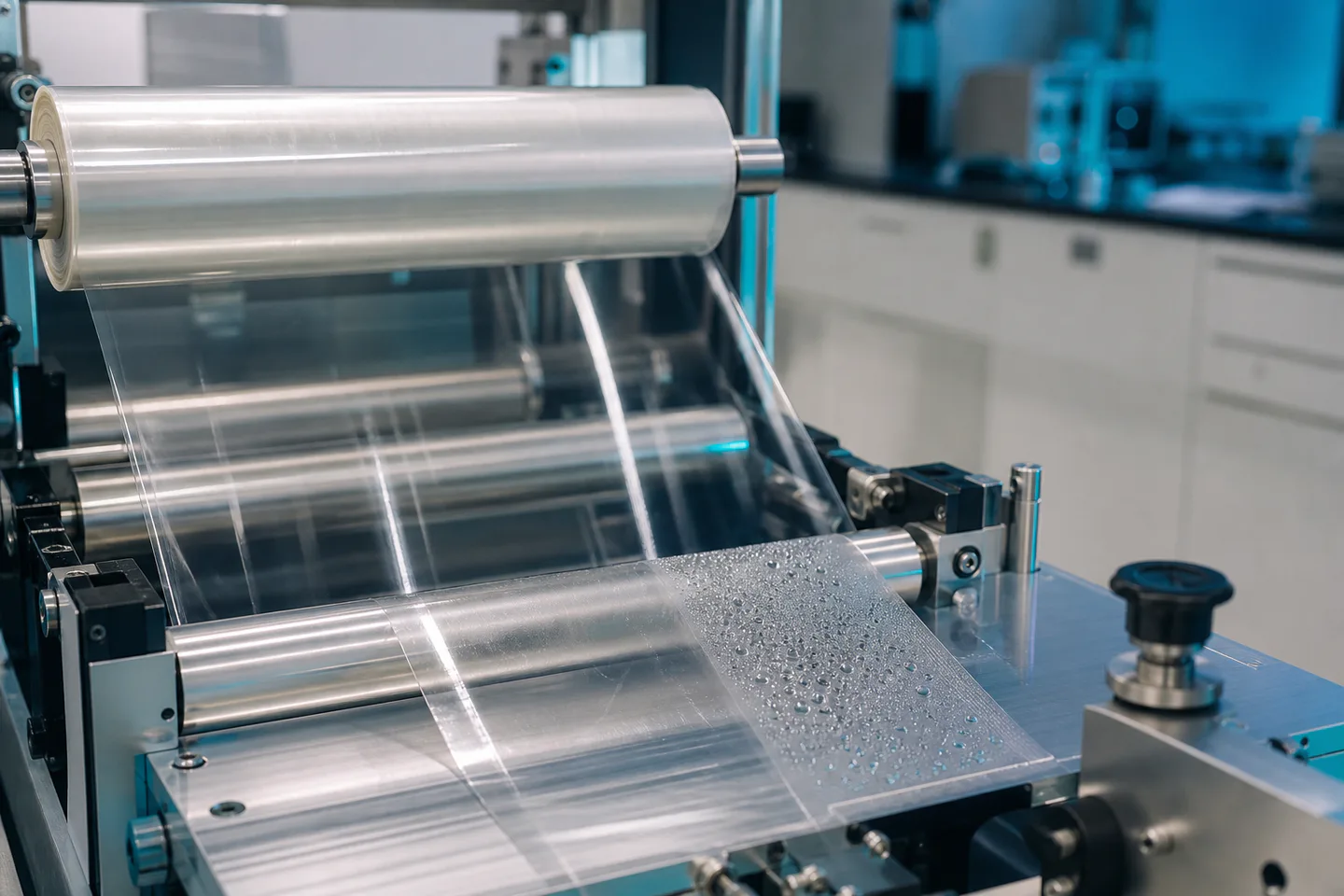 Illustrative visual
The challenge
Why this equipment needs a defined material evaluation.
Low-surface-energy films can be difficult to coat consistently.
Very thin substrates can expose cracking, blocking or flexibility problems that are not visible on rigid panels.
Surface function must be tested after the film's real converting and handling process.
Relevant DSAN materials
Connect the application to available products.
DSAN NEW MATERIALS functional powders provide a formulation starting point for coating and film-development partners.
View Related SolutionTypical equipment
- Protective polymer films
- Packaging and release films
- Optical or display-related films
- Flexible industrial laminates
Key evaluation parameters
Define the test condition before comparing materials.
The table separates the parameter to evaluate from the value or project condition that still needs confirmation.
| Parameter | Why it matters | Current value / status |
|---|---|---|
| Film polymer and surface treatment | Defines the substrate chemistry and adhesion requirements. | Project input required. |
| Water contact and roll-off behaviour | Measures the target wetting response on the finished film. | Project input required. |
| Coating weight / dry-film thickness | Controls appearance, flexibility and material use. | Project input required. |
| Flex and winding durability | Checks cracking, delamination or loss of function during handling. | Project input required. |
| Optical and converting properties | Confirms haze, clarity, print, laminate or seal requirements where applicable. | Project input required. |
Related products
Review the relevant products.
Compare each product format with the actual substrate, equipment and operating conditions.
Related industry insights
Read the industry and technical background.
 Illustrative visual
How Superhydrophobic Surfaces Manage Water
How hierarchical texture, trapped air and surface chemistry influence wetting—and what to validate before choosing a material format.
Read article ↗ Illustrative visual
Industrial Optical Windows: Test with the Real Cutting Fluid
For machine-vision and observation windows, oil repellency must work alongside optical clarity, cleaning durability and the actual coolant—not just a demonstration droplet.
Read article ↗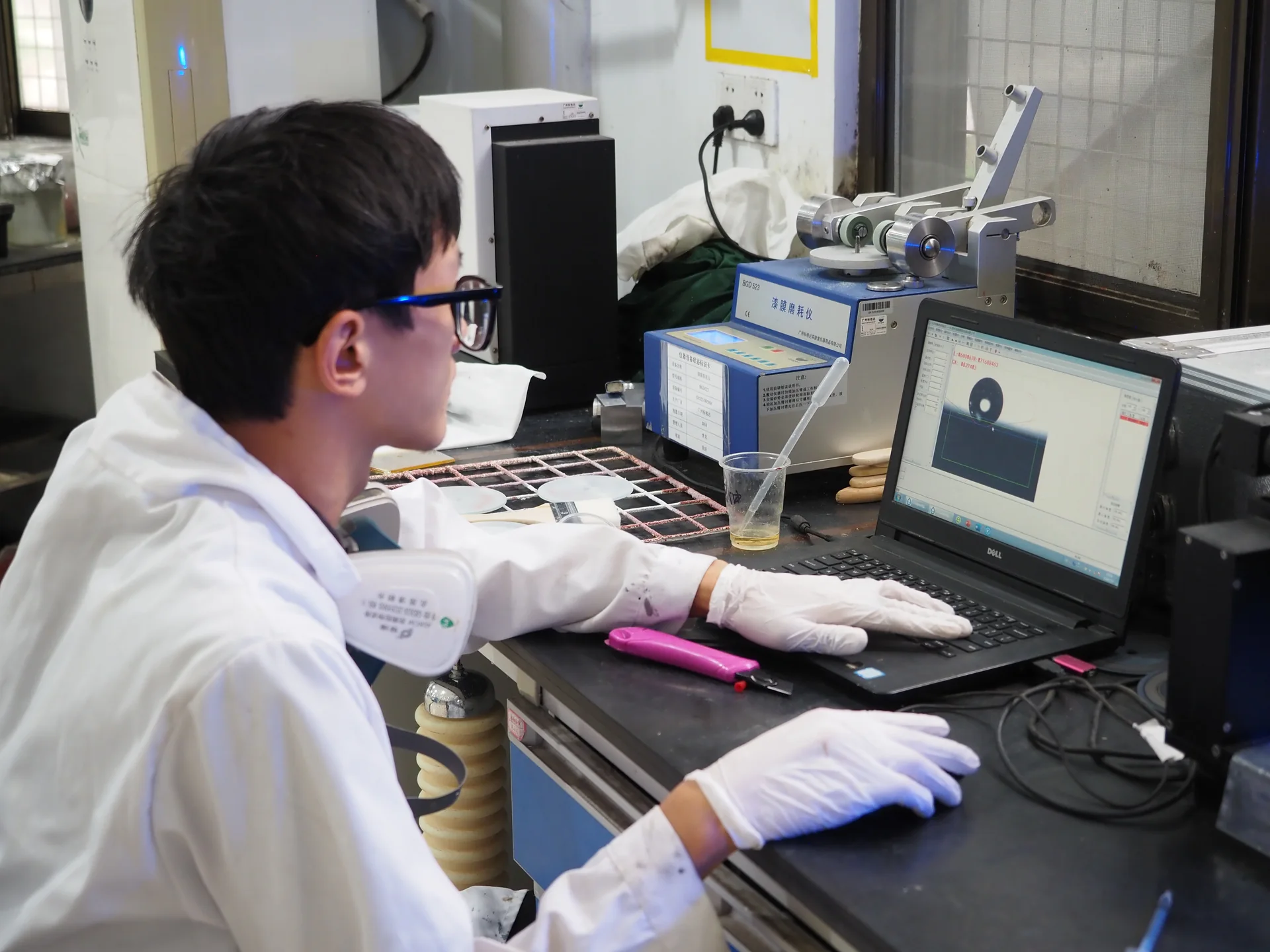
Superhydrophobic and Superoleophobic Coatings: Test the Oil, Then Test the Wear
Water beading does not establish oil repellency. A useful comparison identifies the liquid, measures droplet mobility and repeats the checks after realistic wear.
Read article ↗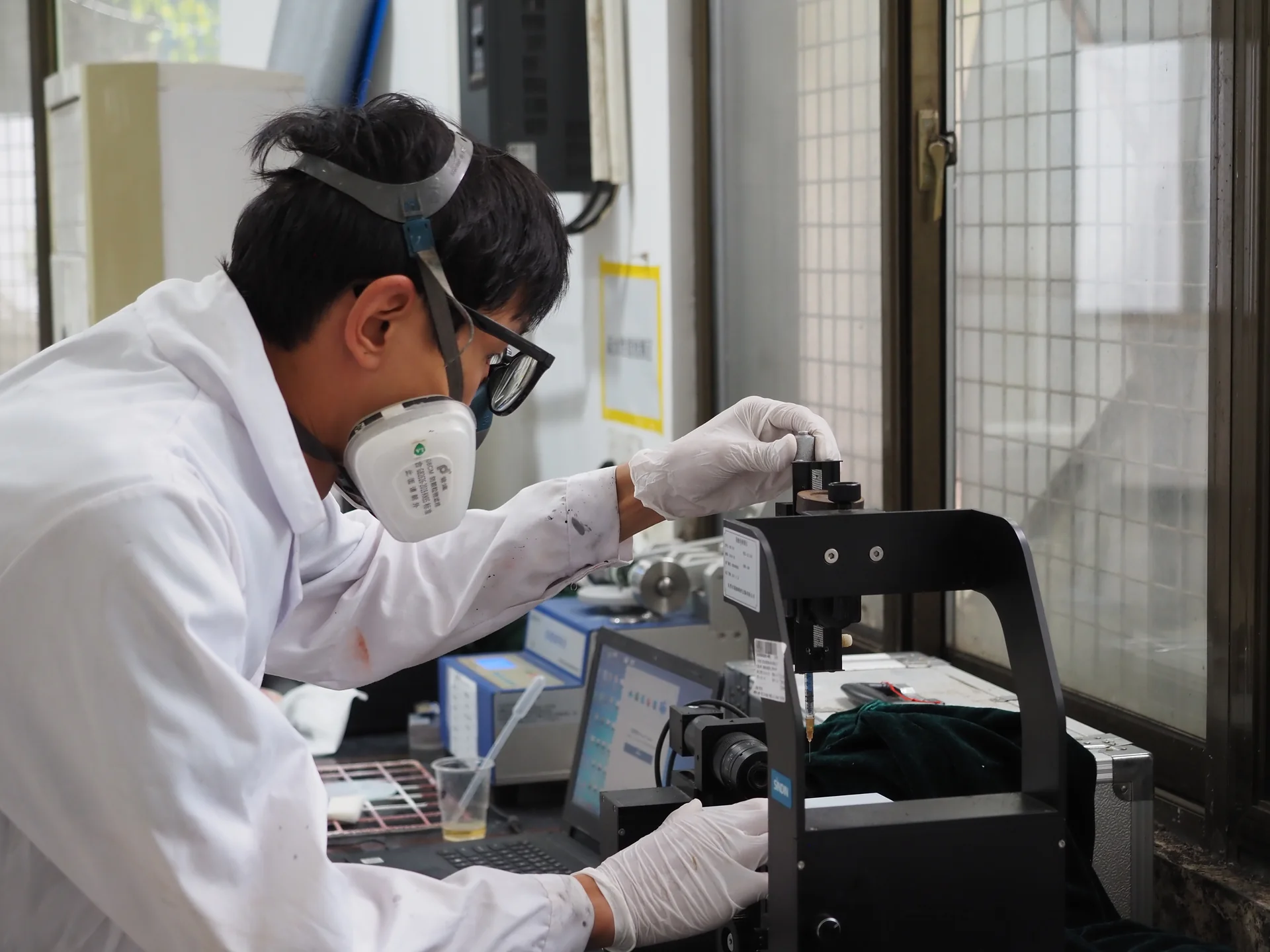
Functional-Coating Co-Development: From an Actual Part to a Pilot Trial
New applications need not fit an existing catalogue. Start with the component, the problem and a measurable comparison, then develop the material and process.
Read article ↗Illustrative visualHydrophobic Materials and Coatings: What to Test Before Selection
Move beyond contact angle when evaluating hydrophobic materials for polymer films, outdoor equipment and wind-turbine blade surfaces.
Read article ↗Technical questions to confirm
Questions an engineer should answer before selection.
Which polymer and surface treatment are used?
Identify the resin, grade, additives and corona, plasma or primer treatment applied before coating.
Which film property has priority?
State whether water repellency, optics, flexibility, printability, sealing or another function controls the decision.
How will the film be processed after coating?
Describe coating, drying, winding, slitting, laminating and storage conditions so the test plan follows the real process.
Discuss your application
Send the substrate, equipment and operating condition.
Use the form for an application discussion, joint R&D or materials distribution.
More applications