Industry insight · 3 min read
Superhydrophobic and Superoleophobic Coatings: Test the Oil, Then Test the Wear
Water beading does not establish oil repellency. A useful comparison identifies the liquid, measures droplet mobility and repeats the checks after realistic wear.

A more useful double-repellency test
Blue represents water; amber represents oil. This illustrates possible behavior, not measured DSAN results. Technical illustration; not measured performance. Blue indicates water and amber indicates oil or soiling where shown.
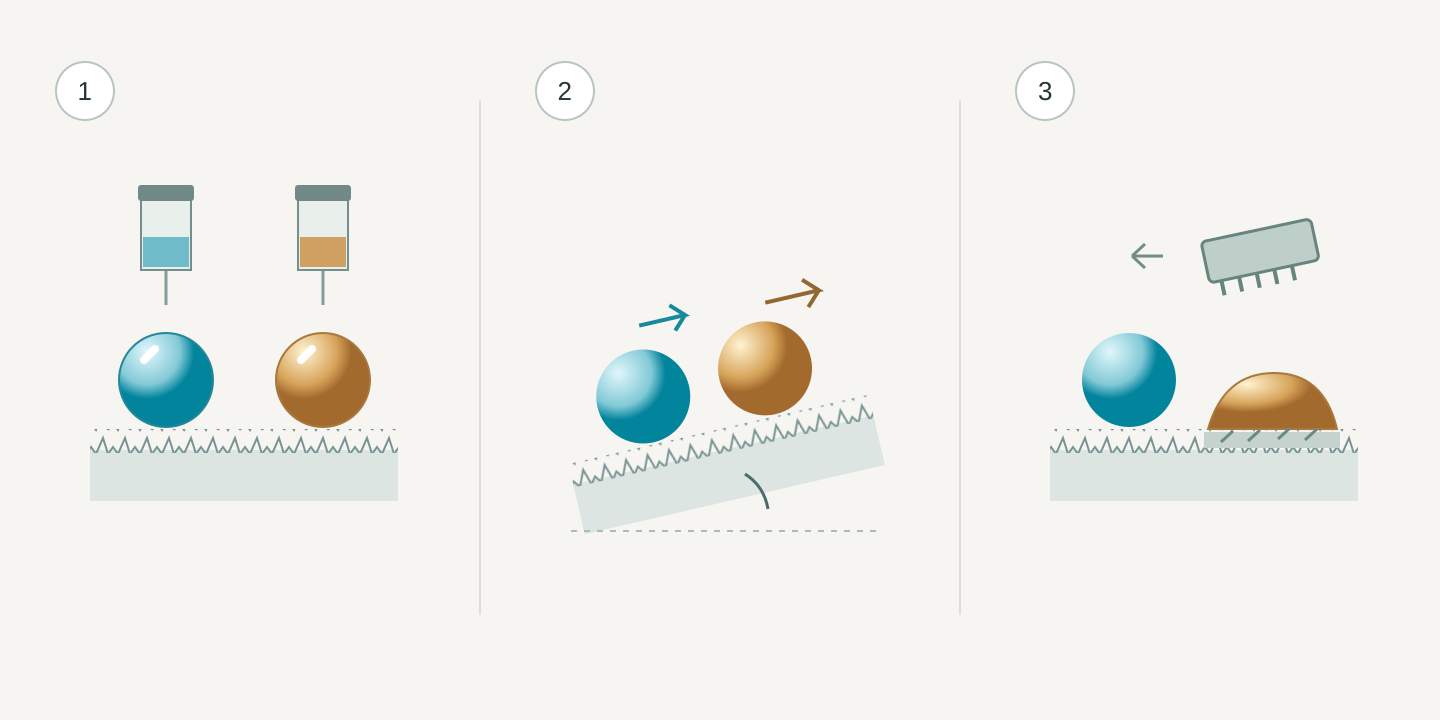
- Named liquids
Test water and the identified oil separately.
- Droplet movement
Check shape and movement on a tilted surface.
- After wear
Retest both: oil repellency may deteriorate while water still beads.
Water and oil are different tests
A coating that sheds rainwater may still be wetted by oil. Lubricants and process residues differ in composition, viscosity and surface tension. Ask which liquid supports an oil-repellency claim, at what temperature and contact time. Where possible, supply your equipment's fluid rather than only a laboratory reference oil.
Record movement, not only droplet shape
Contact angle describes the shape of a droplet on the tested surface. Roll-off or sliding measurements show how readily it moves when the surface is tilted. Record droplet volume, substrate, cure and measurement procedure so results can be compared. A rounded droplet that remains pinned may not provide the cleaning behavior needed on a shallow or horizontal component.
Repeat both tests after wear
Retained water repellency does not prove retained oil repellency. In a published cooling-coating study, oil repellency began to deteriorate while water repellency remained evident under the specified abrasion test. This concerns the studied system, not every coating. Repeat both measurements after representative wiping, abrasion, weathering and chemical contact.
Use the contamination that causes the problem
Pure oil is only one possible exposure. A cutting-fluid emulsion, oily dust or dried residue may behave differently. Compare the current surface and the candidate coating using the same contamination amount and dwell time, then the same cleaning procedure. Record remaining contamination, coating damage and the relevant function. Reduced wetting does not mean that every solid, film or biological deposit will be removed.
Choose a formulation around the component
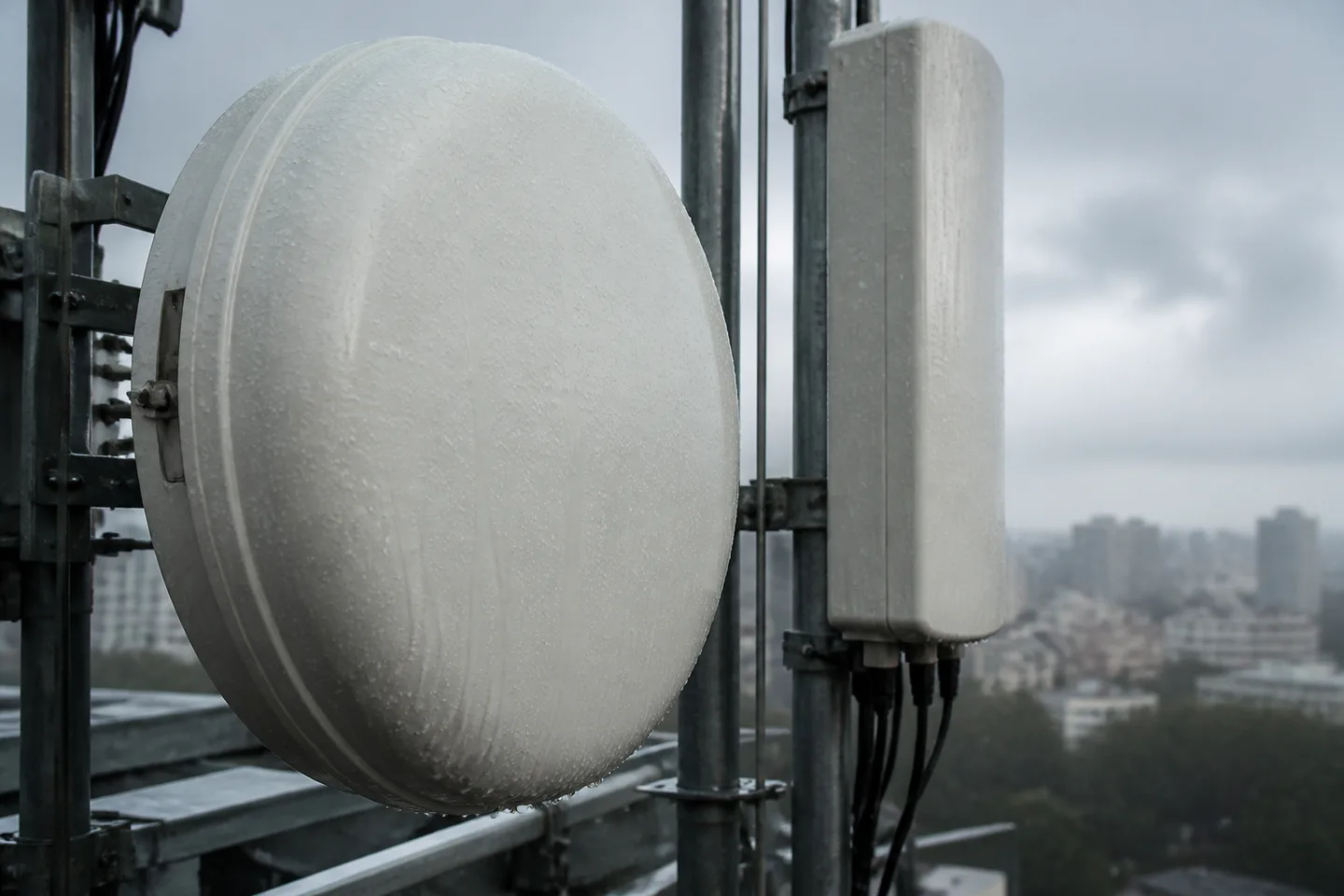
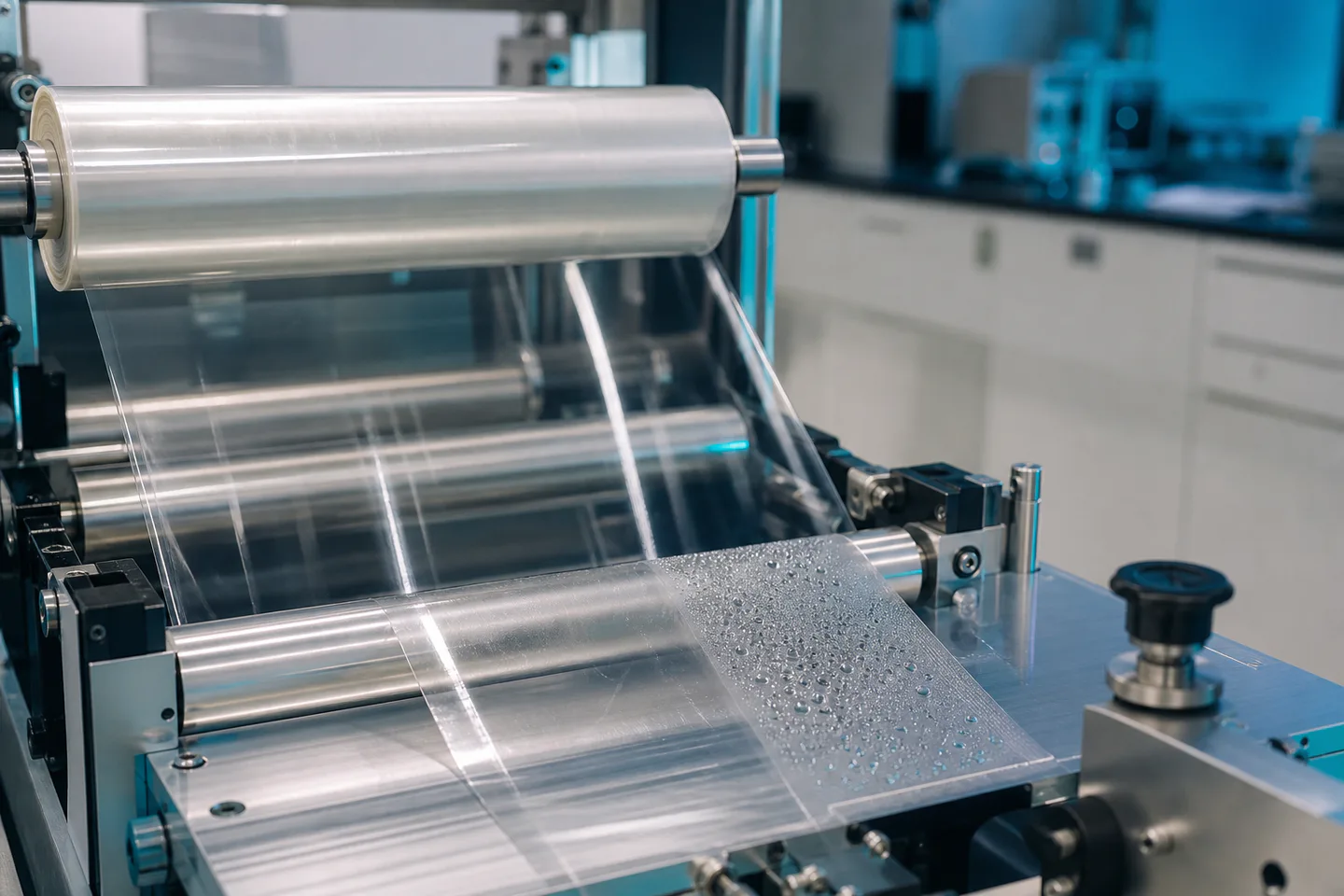
DSAN can discuss superhydrophobic and superoleophobic material development for a defined surface and fluid. A transparent optical window, a radio-frequency cover and an industrial panel need different additional checks. Do not assume one formulation meets all three. Begin with the actual substrate and manufacturing limits, then evaluate the required optical, electrical or thermal function alongside repellency.
References
Questions engineers often ask
Does a high water contact angle prove oil repellency?
No. Test the named oil separately. Report its identity and conditions, and check whether the droplet can leave the surface as required.
Is one abrasion result enough to predict service life?
No. Abrasive type, load and motion affect the result. Use the test for a controlled comparison, then check relevant cleaning and field exposure before setting a maintenance interval.