
Industry insights
Practical guides to functional materials.
Articles explain surface behaviour, operating conditions, test methods and practical limits.
 Illustrative visual
Published industry insights
Start with the equipment or material question closest to your project.
 Illustrative visual
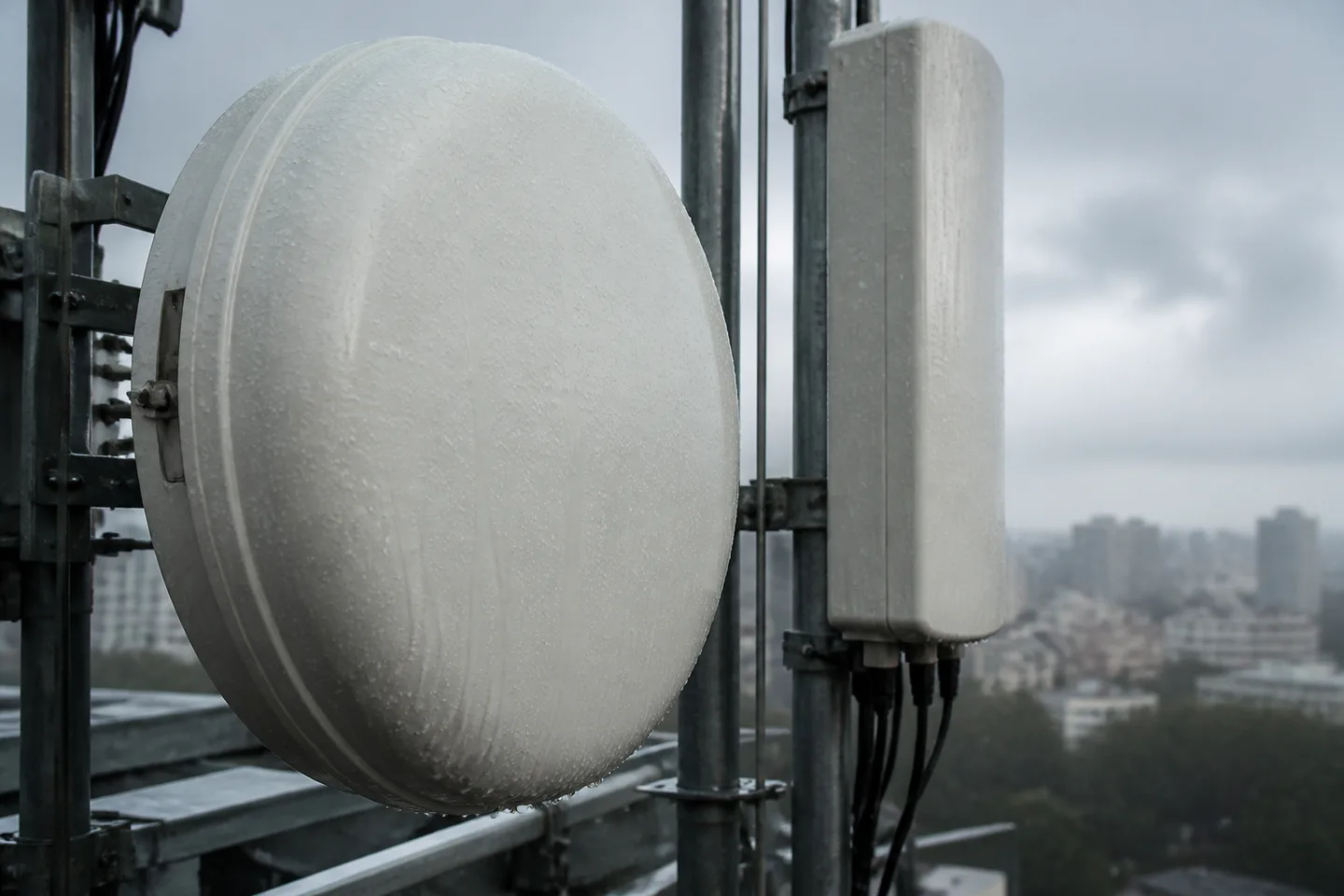
Radome Coatings: What Changes When Rain Meets Oily Dust?
Water repellency is only part of the problem on exposed radomes. Evaluate oily contamination, weathering and RF transmission together before choosing a coating.
Read article ↗ Illustrative visual
Industrial Optical Windows: Test with the Real Cutting Fluid
For machine-vision and observation windows, oil repellency must work alongside optical clarity, cleaning durability and the actual coolant—not just a demonstration droplet.
Read article ↗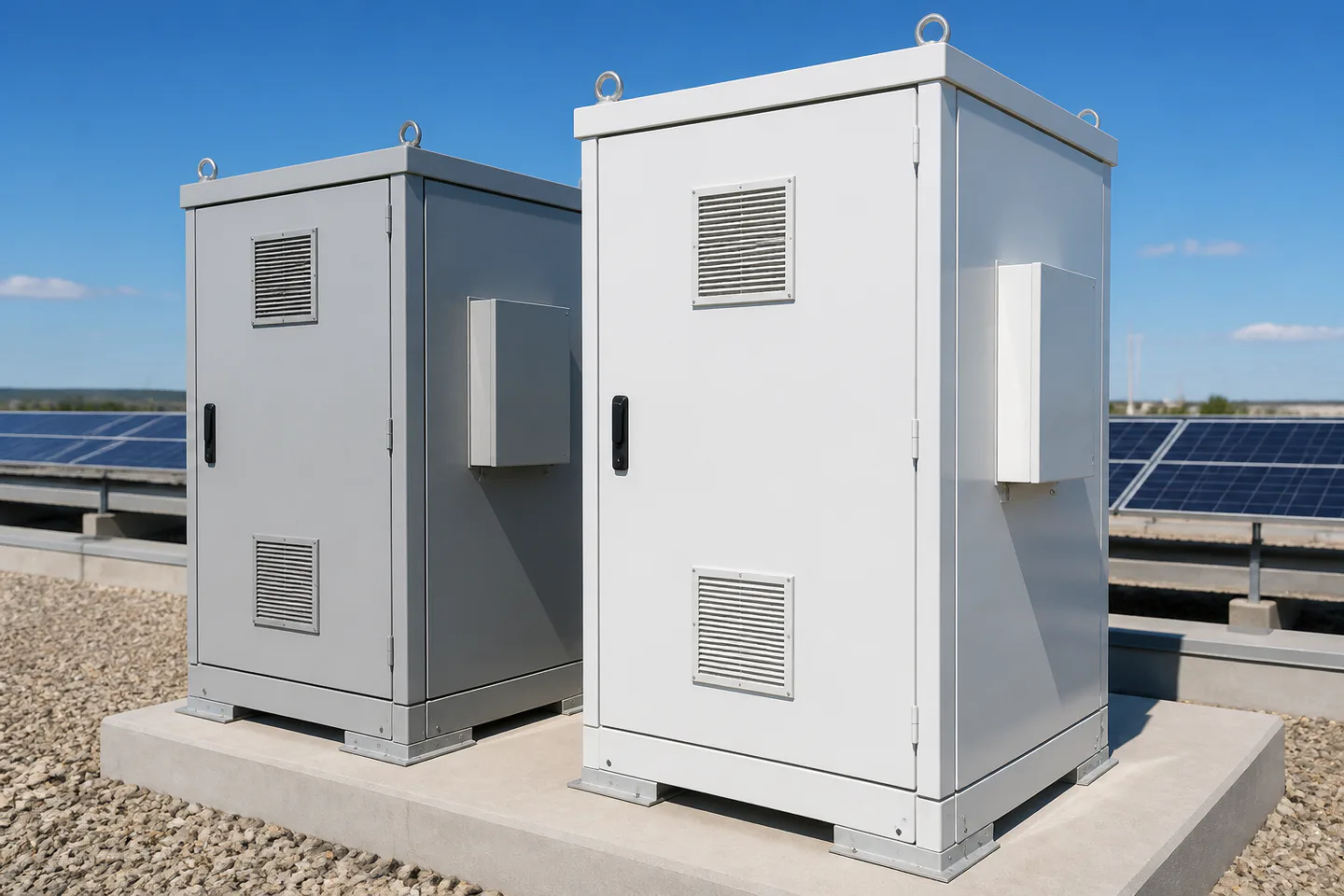 Illustrative visual
Radiative-Cooling Coatings: What Happens After the Surface Gets Dirty?
A clean panel is the starting point. For outdoor equipment, compare cooling performance after soiling, weathering and the cleaning method you can actually use.
Read article ↗
Superhydrophobic and Superoleophobic Coatings: Test the Oil, Then Test the Wear
Water beading does not establish oil repellency. A useful comparison identifies the liquid, measures droplet mobility and repeats the checks after realistic wear.
Read article ↗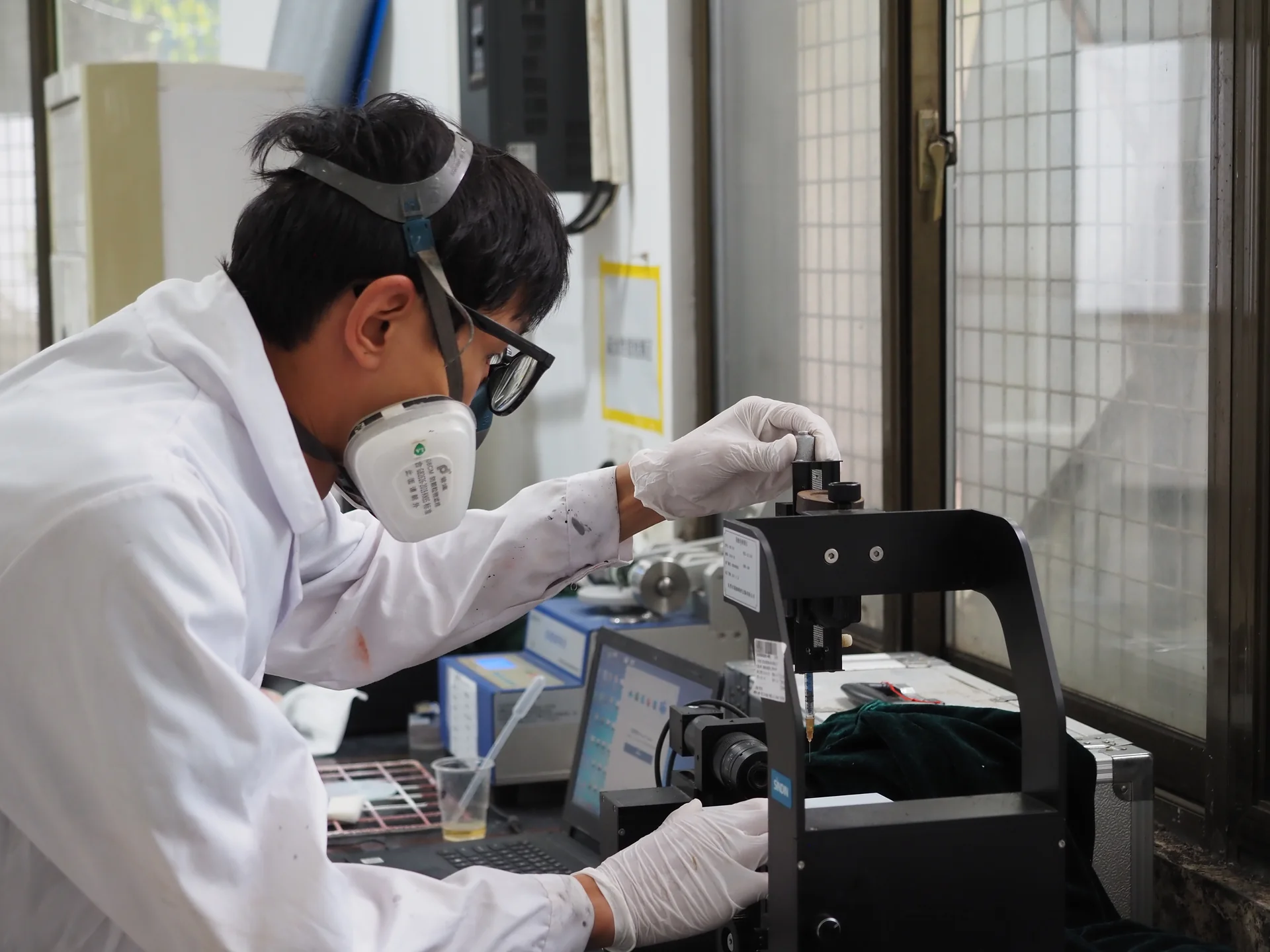
Functional-Coating Co-Development: From an Actual Part to a Pilot Trial
New applications need not fit an existing catalogue. Start with the component, the problem and a measurable comparison, then develop the material and process.
Read article ↗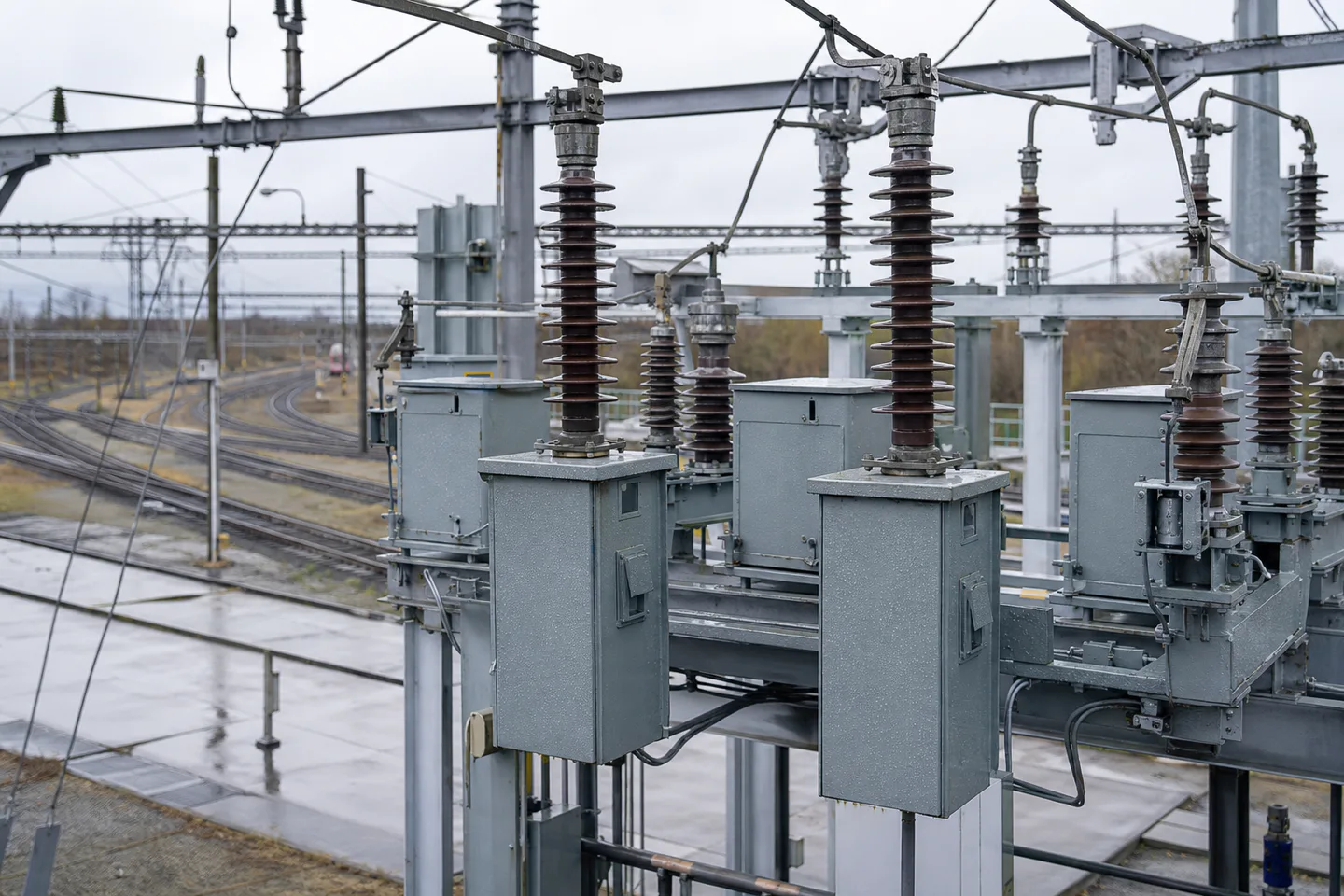 Illustrative visual
How to Evaluate an Electrical Insulation Coating Supplier
What to ask electrical insulation coating suppliers about substrates, film thickness, curing and test results, including the separate requirements of electrical steel strip.
Read article ↗ Illustrative visual
Battling Blade Icing: How to Evaluate an Anti-Ice Coating
How to test anti-icing coatings on wind-turbine blades: reproduce the icing conditions, measure ice adhesion, check erosion resistance and follow performance in the field.
Read article ↗ Illustrative visual
Industrial Corrosion Protection: Choosing a Coating for the Steel and Site
How to assess steel condition, surface preparation, coating application and inspection for infrastructure, rail components and stored or enclosed equipment.
Read article ↗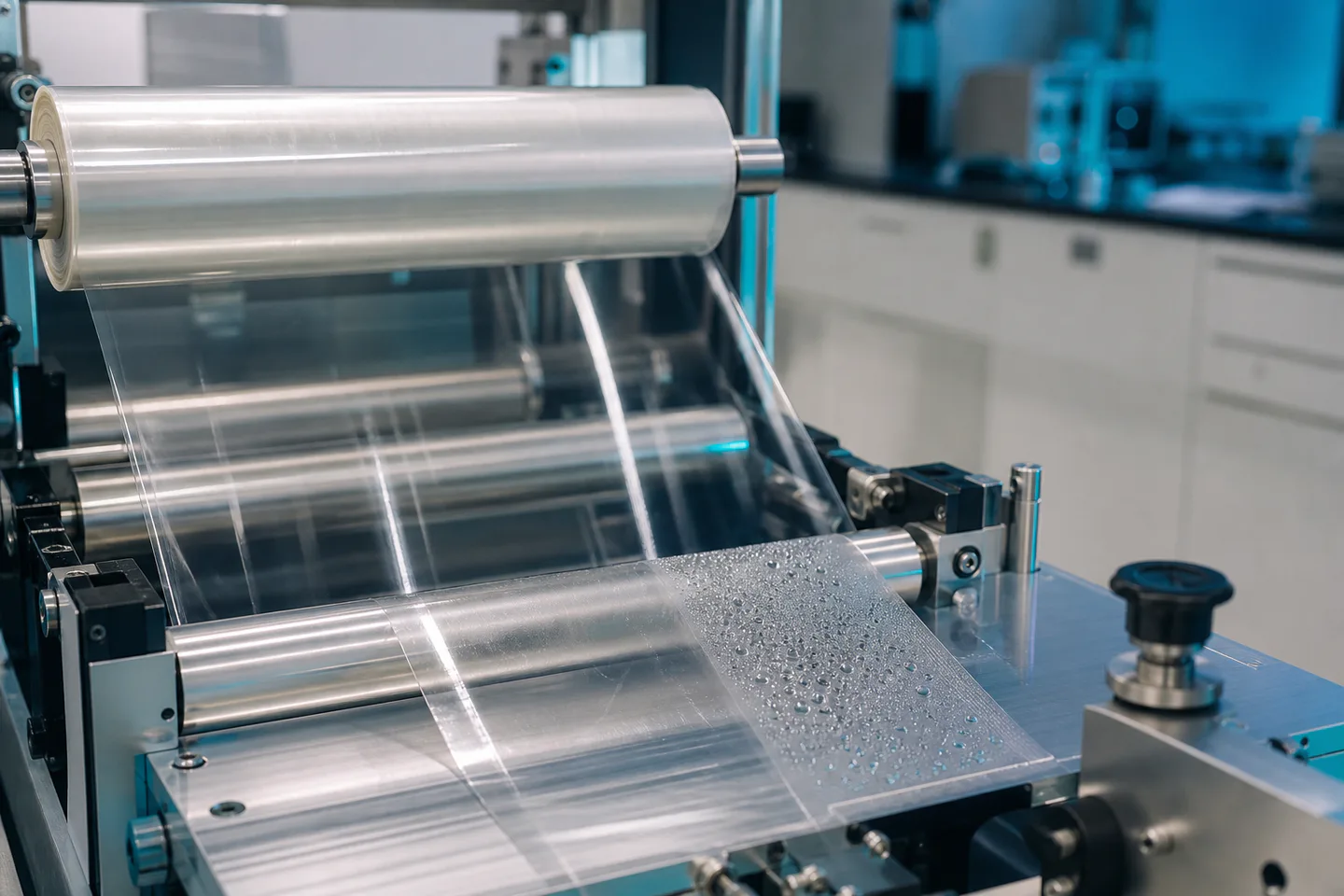 Illustrative visual
Hydrophobic Materials and Coatings: What to Test Before Selection
Move beyond contact angle when evaluating hydrophobic materials for polymer films, outdoor equipment and wind-turbine blade surfaces.
Read article ↗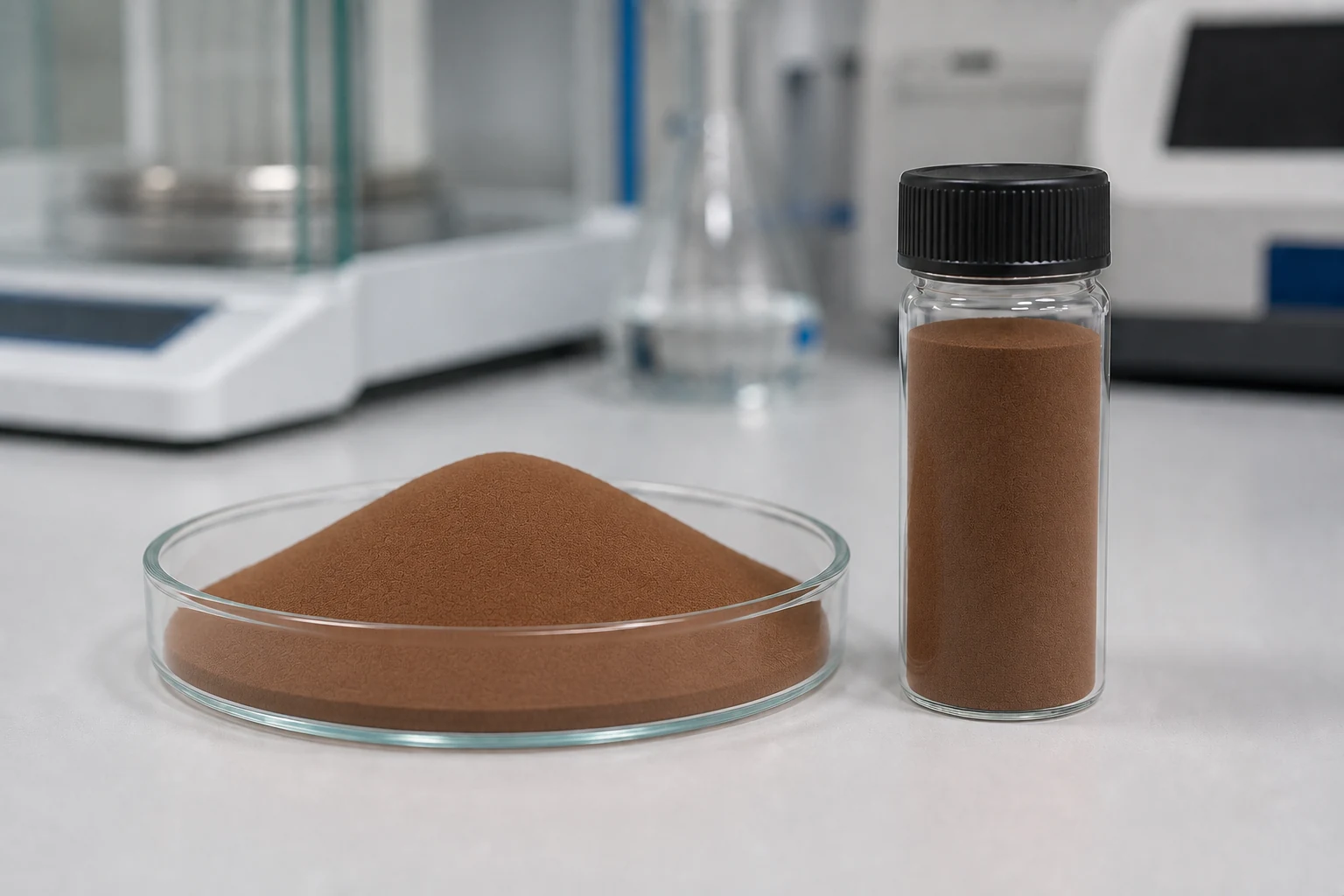 Illustrative visual
How to Select Fire-Suppression Microcapsules for Electrical and Energy-Storage Enclosures
What to check when selecting fire-suppression microcapsules: enclosure conditions, component form, supplier test reports and performance in the finished equipment.
Read article ↗Illustrative visualHow Superhydrophobic Surfaces Manage Water
How hierarchical texture, trapped air and surface chemistry influence wetting—and what to validate before choosing a material format.
Read article ↗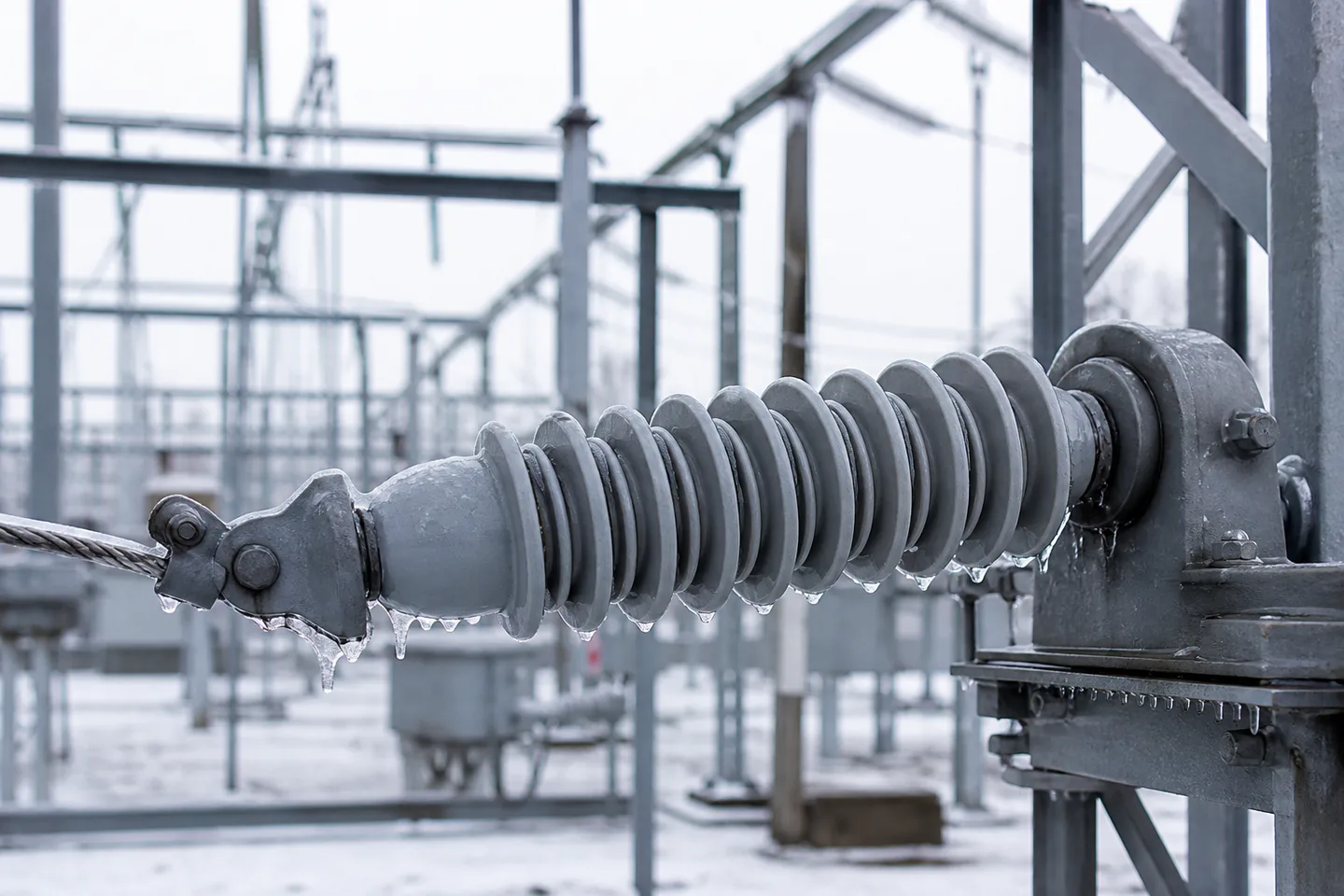 Illustrative visual
Anti-Icing Materials for Transmission Equipment
How to compare coating candidates using matched substrates, icing conditions and durability tests.
Read article ↗Illustrative visualPassive Fire-Suppression Materials for Compact Equipment
How microcapsule materials move from a functional input to a tested equipment component.
Read article ↗Research sources
Continue from industry explanation to the professional literature.
The literature index preserves official publication titles, author lists, venues and DOI links connected with the DSAN NEW MATERIALS scientific team.