Industry insight · 8 min read
How to Evaluate an Electrical Insulation Coating Supplier
What to ask electrical insulation coating suppliers about substrates, film thickness, curing and test results, including the separate requirements of electrical steel strip.
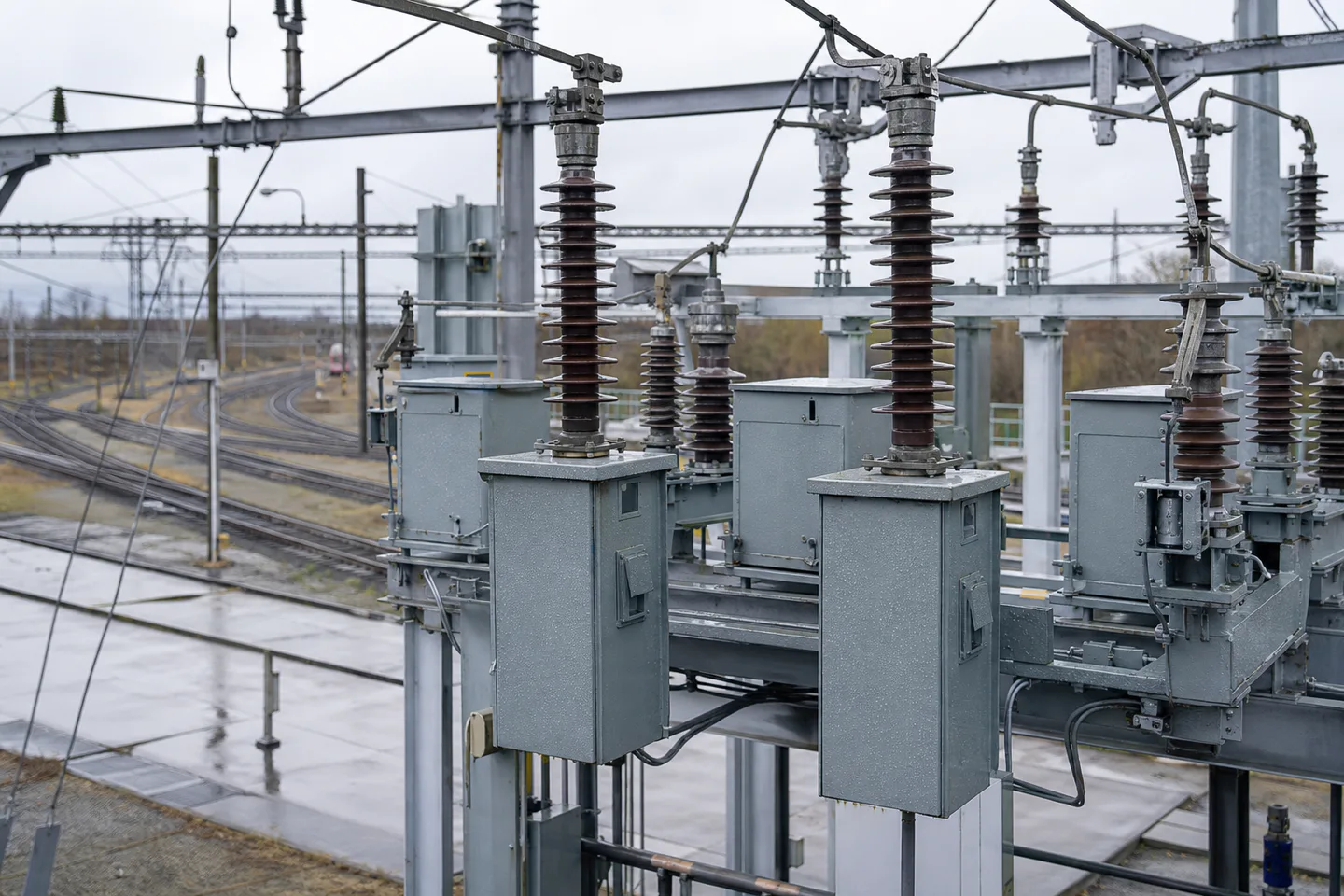 Illustrative visual
Which surface needs insulation?
The component determines the coating system, manufacturing process and tests to request.
- Component surface
Check geometry, edges, clearances, film continuity and cure.
- Electrical steel strip
Review lamination insulation, forming and thermal-process requirements.
- Electronic assembly
Confirm whether moisture protection or primary insulation is intended.
Different coatings for different electrical applications
Busbars, terminals and refurbished components need a coating that covers their edges and contours reliably. Electrical steel strip uses a much thinner coating between laminations and has different manufacturing and test requirements. Conformal coatings on electronic assemblies often protect against moisture and contamination. Establish which application the supplier supports before comparing products or ordering samples.
Describe the component and its operating conditions
Give the supplier the component geometry, operating voltage, substrate and existing finish. Include any limits on surface preparation, the target dry-film thickness and whether application will take place in a factory or on site. Describe temperature, humidity, condensation and contamination, together with the required acceptance procedure. The engineer responsible for the electrical design must assess the complete insulation system, including creepage, clearance, barriers and equipment-level testing.
- Component and geometry
- Electrical duty and insulation design
- Substrate and preparation
- Film build, cure and service environment
Read the test conditions alongside the result
A dielectric-strength result needs a stated test method, specimen, thickness, cure, electrode arrangement and conditioning. Multiplying a kV/mm result by the proposed film thickness does not establish the working voltage of finished equipment. For electrical steel strip, ask for surface insulation resistance, coating mass or thickness, forming and punching results, and performance through the relevant thermal process. Thick-film dielectric data cannot answer those questions.
Test specimens that represent the component
Agree pass/fail criteria before testing. Prepare coated and control specimens using the proposed process, then check film continuity and thickness. Expose them to the humidity, condensation, temperature cycling, contamination or vibration relevant to the application and repeat the electrical and mechanical checks. A representative component or assembly is also needed to check application access, edge coverage, curing, repairs and inspection.
Check how the supplier controls application and quality
Ask for repeatable preparation and curing instructions, stated application limits and batch traceability. The supplier should explain which test results apply to your component and help plan the remaining qualification work. Include the component, substrate, operating voltage, environment, proposed application process and acceptance method in your inquiry.
Five questions for a coating supplier
Ask how the reported test results relate to your component and application process.
- Application
Define the component and intended insulation function.
- Substrate
State material, condition and existing finish.
- Process
Control preparation, film build, cure and inspection.
- Test conditions
Record method, specimen, electrodes and conditioning.
- After exposure
Retest after relevant humidity, cycling or contamination.
References
Questions engineers often ask
What is an electrical insulation coating used for?
It can provide a controlled insulating film on selected component surfaces. The complete component and electrical design still require verification.
How should electrical insulation coating suppliers be compared?
Check suitability for the application, test methods, substrate compatibility, film-thickness control, cure, performance after exposure, traceability and technical support. A single headline value cannot cover these requirements.
Can the same coating be used on components and electrical steel strip?
Do not assume so. Electrical steel strip coatings have lamination-specific manufacturing and test requirements that differ from a high-build component coating.
Does dielectric strength define safe operating voltage?
No. Dielectric strength is measured on a specimen under specified conditions. Equipment capability also depends on geometry, film quality, defects, aging, clearances and the complete insulation design.
Can a coating replace creepage and clearance requirements?
Not by default. The responsible electrical design authority must assess any change to the insulation system against the applicable standards and acceptance procedure.