
Electrical Insulation Protection
EIC600 Electrical Insulation Coating
High-build insulating coating for component-specific applications under the equipment's electrical design authority.
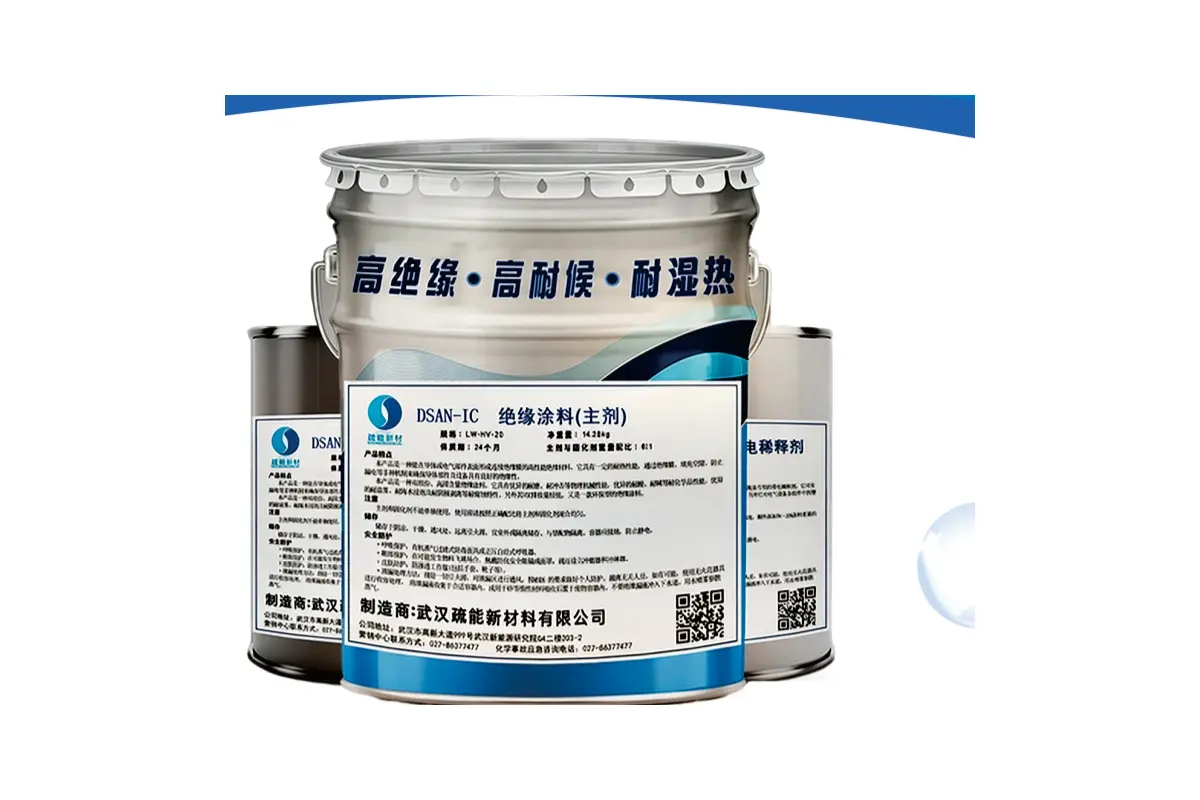
Product overview
Product and uses
EIC600 adds an insulating film to specified component surfaces. Confirm substrate preparation, target film thickness, cure, electrical design and applicable safety requirements for each use.
Selection starts with the substrate, equipment, operating environment and intended application process.
Key technical data
Key performance data for product evaluation and material selection.
| Property | Value | Condition | Standard / source |
|---|---|---|---|
| Solids content | 98.2% | Condition not stated in the source document. | Published product information |
| Dielectric strength | 30 kV/mm | test standard and specimen thickness not supplied | Published product information |
| Flammability classification | FV-0 | Applicable standard not stated in the source document. | Published product information |
| Adhesion | 17 MPa | Substrate and test method not stated. | Published product information |
| VOC | 10 g/L | Test method not stated in the source document. | Published product information |
| Recommended film thickness | 500–600 μm | Condition not stated in the source document. | Published product information |
| Artificial ageing | 1000 h | Reported as passed; test standard not stated. | Published product information |
| Neutral salt spray | 1000 h | Reported as passed; test standard not stated. | Published product information |
Technical note: Values are presented with the stated conditions where available. Discuss the intended substrate and operating environment before product selection.
Selection support
Before specifying an electrical insulation coating
Suggested evaluation steps, not a record of completed DSAN tests.
Define the component
State the substrate, geometry, operating voltage and environment. Identify the insulation function, preparation constraints, target dry-film thickness and available curing conditions.
Agree a representative comparison
Set acceptance criteria before testing. Use representative coated and control specimens; record preparation, thickness and cure. Check electrical performance and adhesion before and after relevant humidity or thermal cycling.
Ask what the evidence covers
Request the test method, specimen details, conditions and limitations. Identify which results apply to your component and what still needs verification.
Component-coating data does not establish suitability for electrical-steel laminations. Coating is not a default replacement for creepage, clearance or verification of the complete insulation system.
Discuss your component
Share a drawing or photo, substrate, operating voltage and environment to discuss fit and a possible sample evaluation.
Inside DSAN
The company behind the materials.
A look at DSAN’s general laboratory, production and storage work. These photographs do not show performance testing of this specific product.
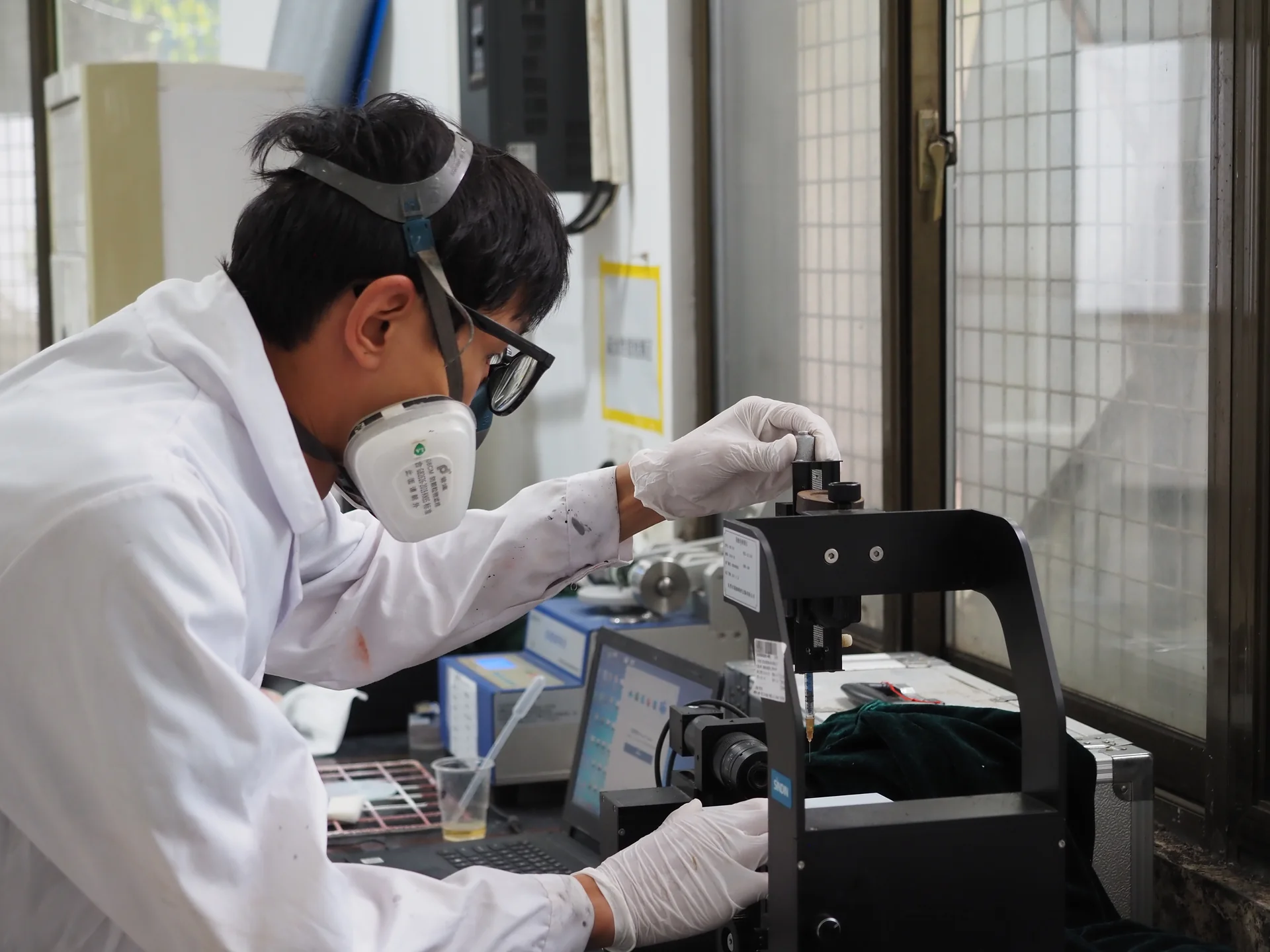
Laboratory work
A researcher working with laboratory equipment.
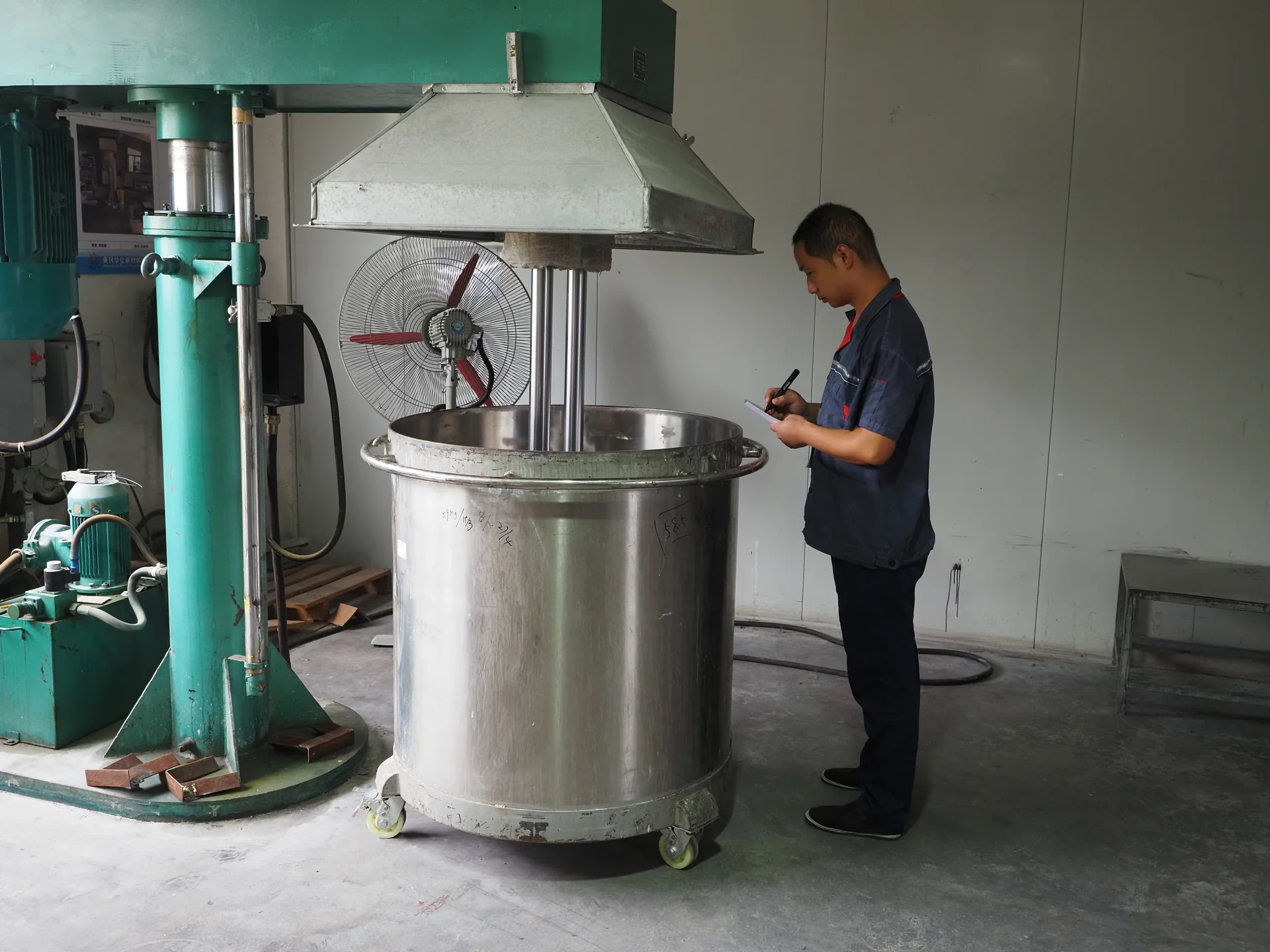
Coating production
An operator beside a coating mixing vessel.
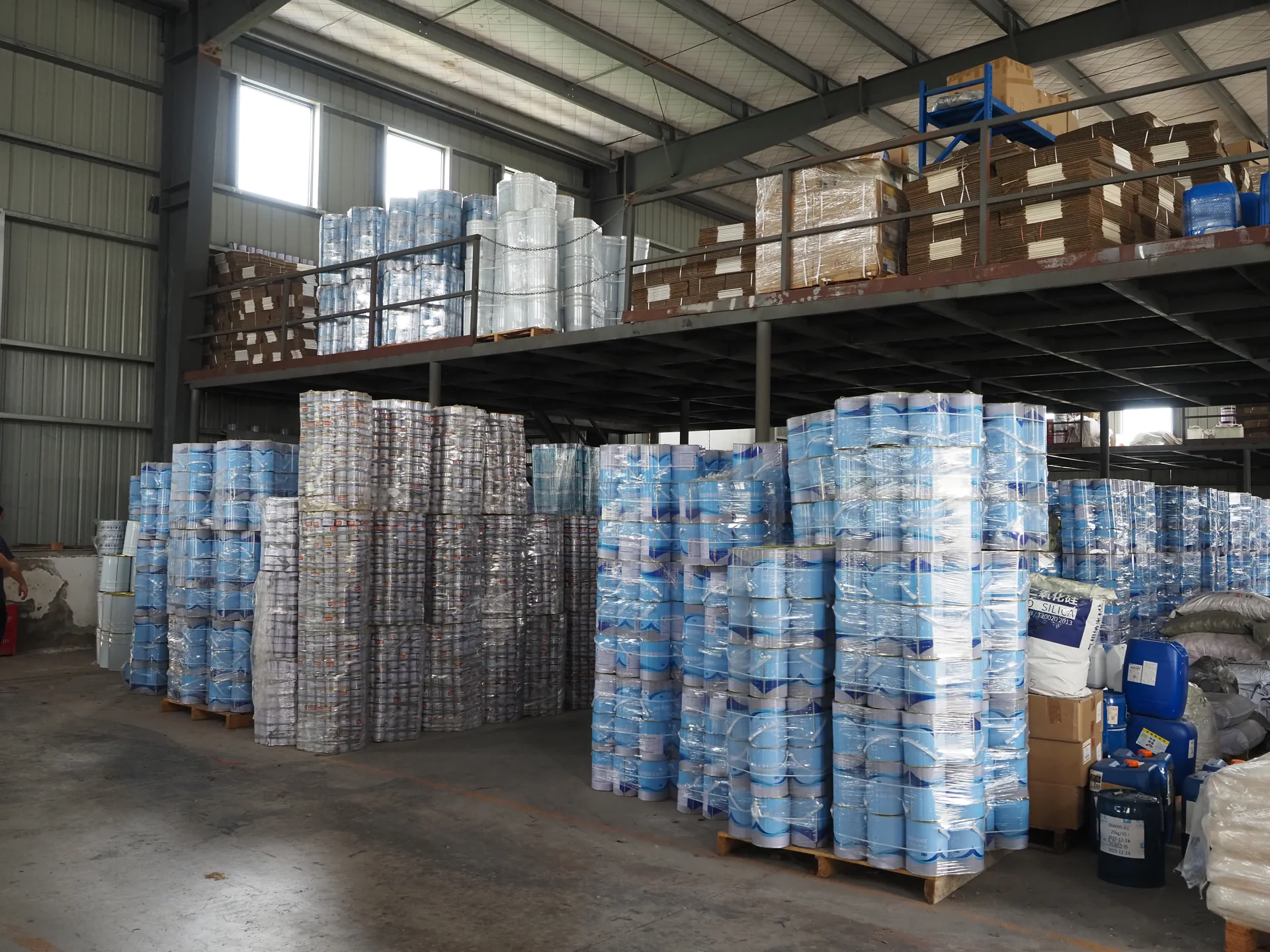
Material storage
Palletized containers in the storage area.
Applications
Typical equipment and surfaces.
Use this list to identify the closest equipment, surface and operating condition.
- 01Designated electrical components
- 02Insulation assemblies
- 03Equipment refurbishment under engineering control
- 04Selected equipment surfaces up to 10 kV, subject to review
Related applications
Start from a comparable equipment or surface problem.
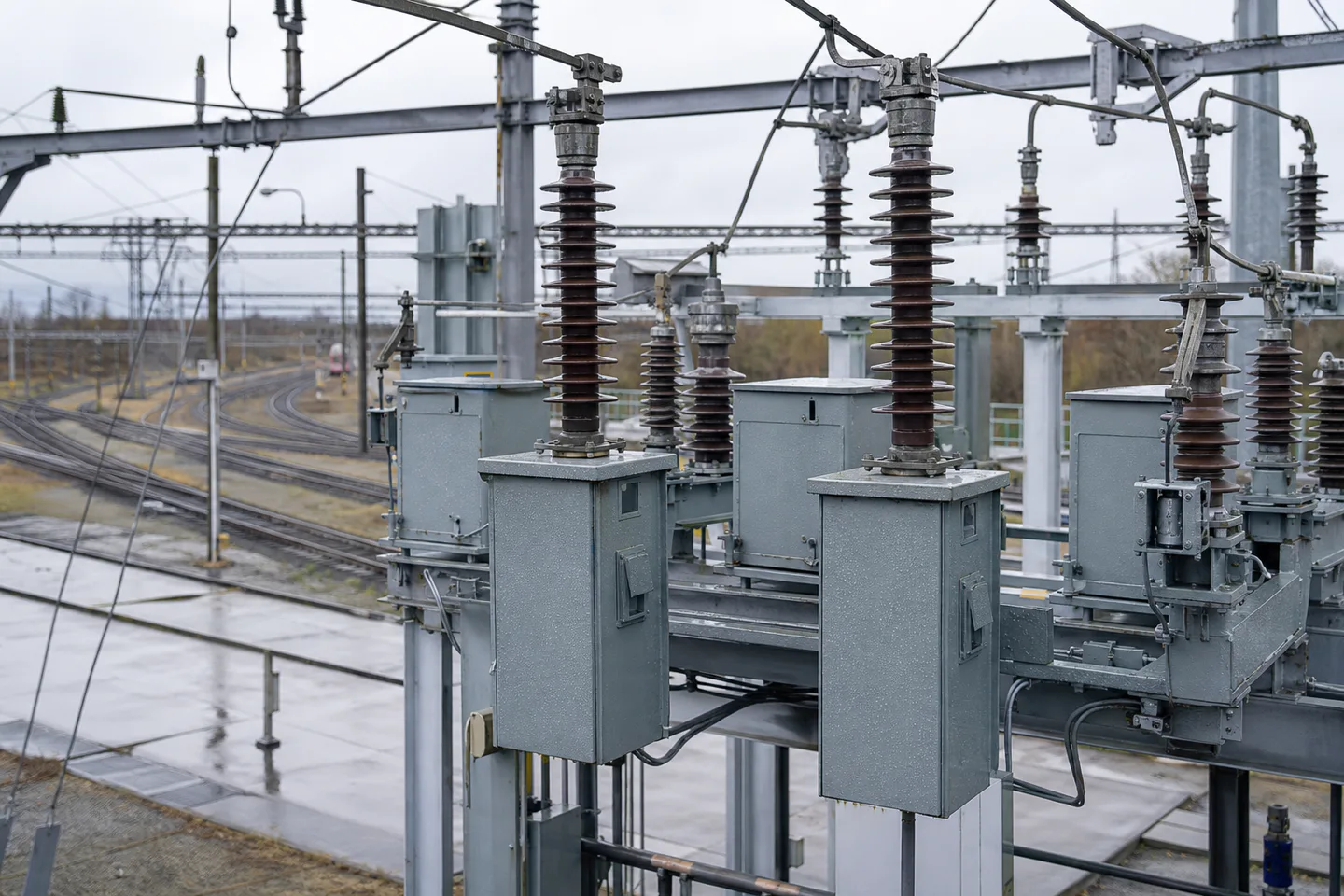
Related references
See the product in a comparable equipment context.
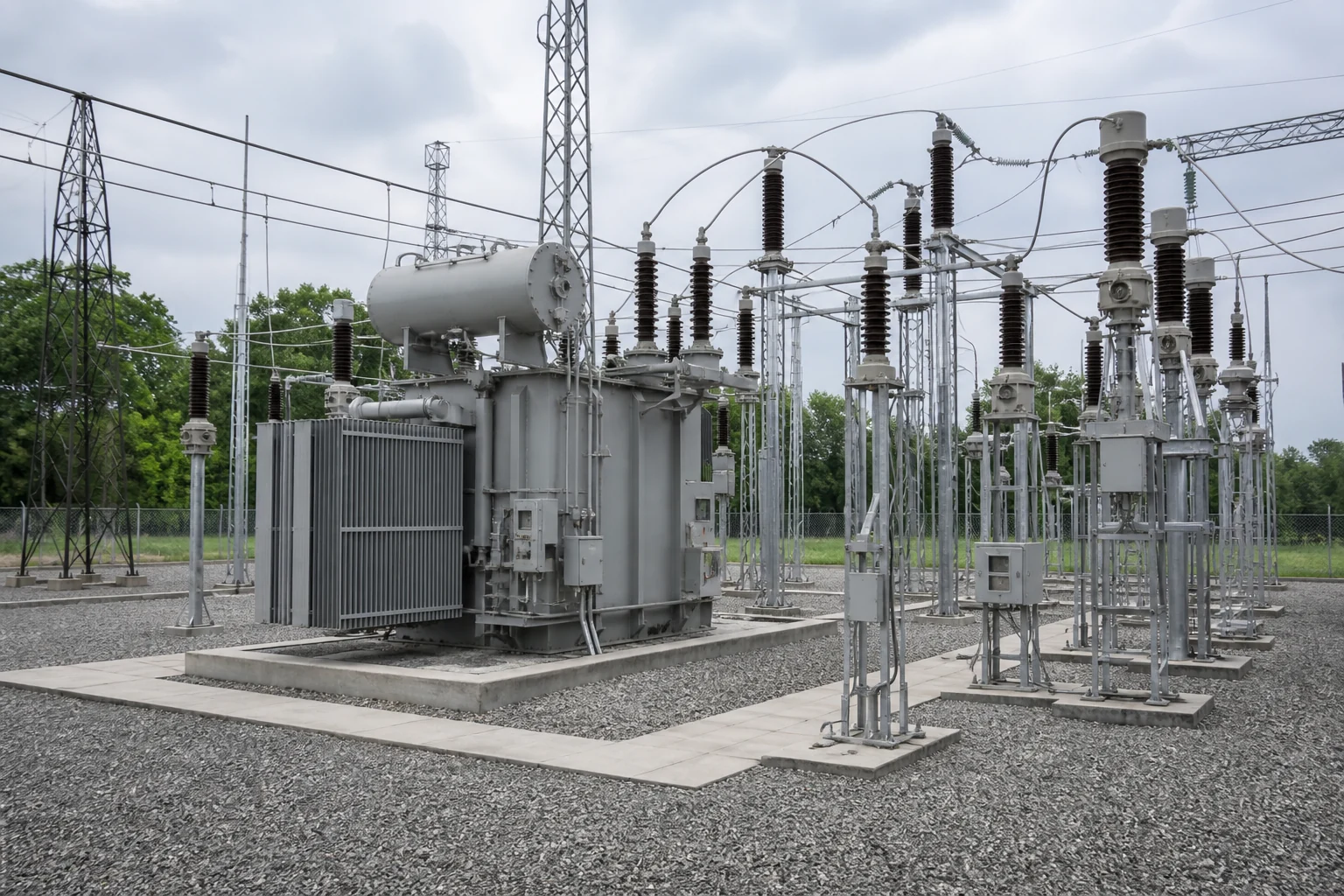 Illustrative visualElectrical equipment
Application reference · Hydrophobic surface
Outdoor Power Equipment in Wet Conditions
- Challenge
- Rain, humidity and deposited contamination
- Material
- Hydrophobic electrical surface coating
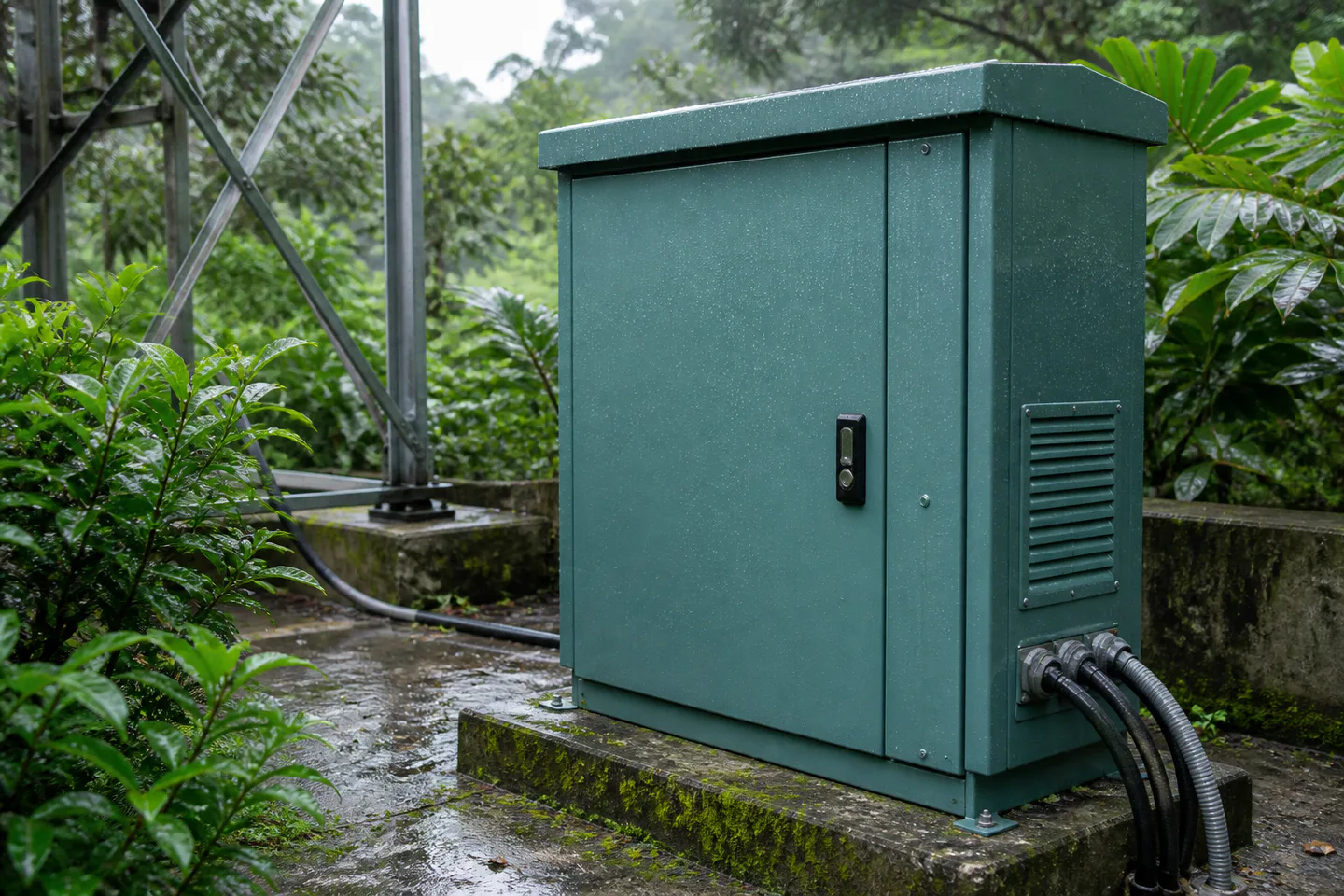 Illustrative visualIndustrial equipment
Application reference · Hydrophobic surface
Industrial & Communications Equipment Housings
- Challenge
- Water, contamination and long-term weather exposure
- Material
- Functional protective coatings
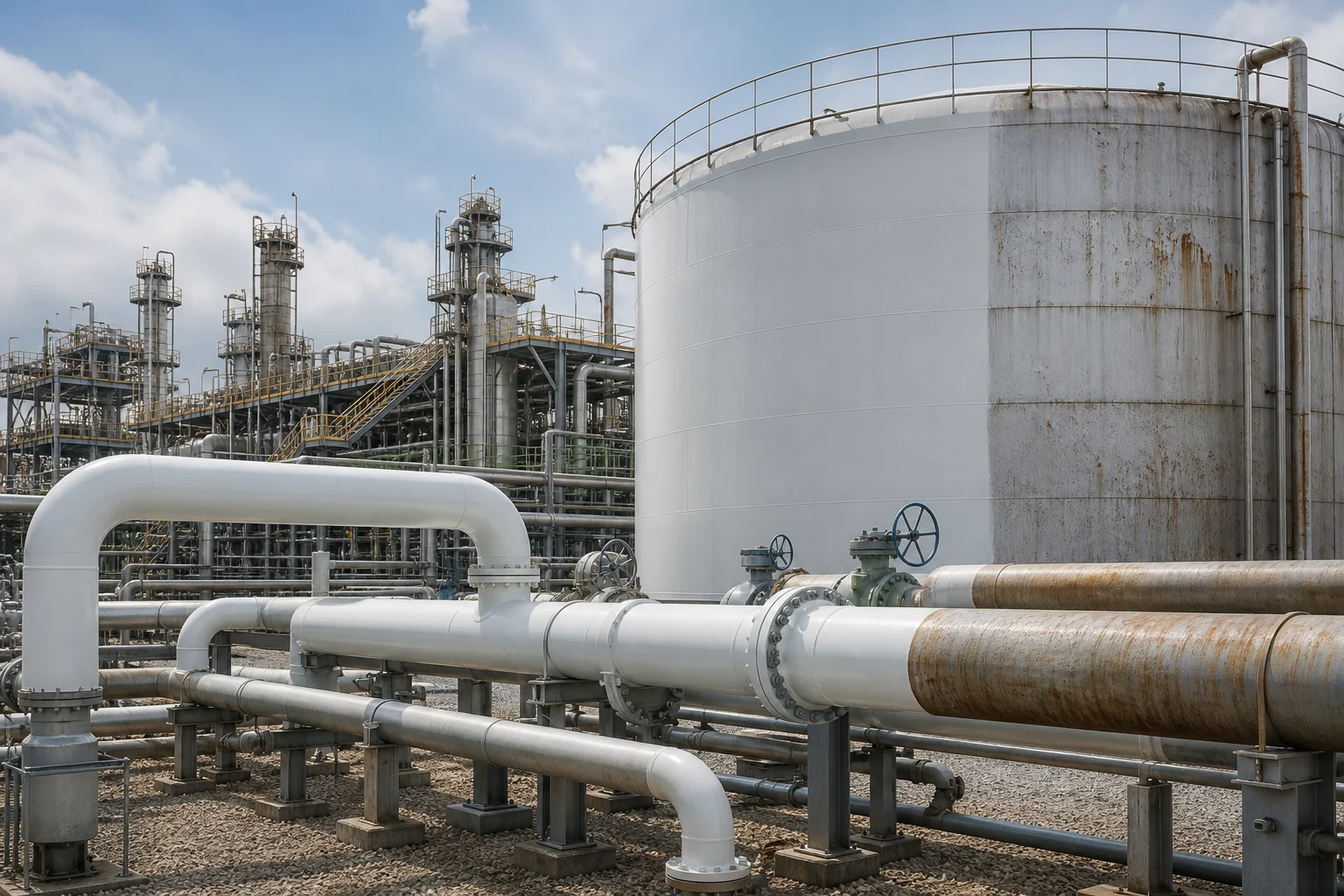 Reference imageRail transit
Application reference · Corrosion control
Qingdao Metro Line 2 Rail Stray-Current Control Application
- Challenge
- Electrical isolation and corrosion-related risk associated with stray current in rail infrastructure.
- Material
- Electrical insulation and protective coating
Joint development
Need a material adapted to your application?
We support joint development for formulation, material integration and application evaluation. Tell us the target properties and what your team has tried so far.
Related product: EIC600 Electrical Insulation Coating
Technical information
Published information for an initial product discussion.
Review the available product information, application context and related research before discussing technical fit.
- Product information
- Electrical and flammability data
- Material compatibility review
- Sample evaluation plan
Related products
Other relevant material options.
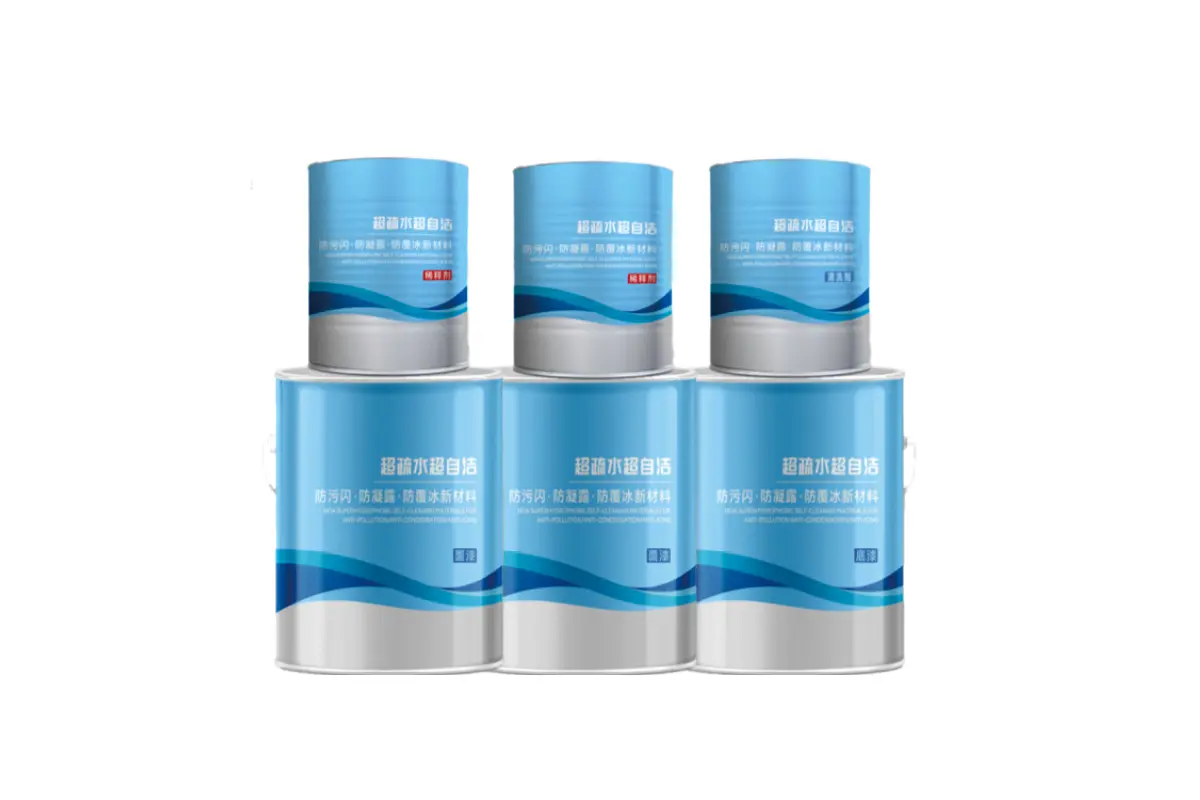
Anti-Flashover Coating
Primer-and-topcoat hydrophobic protection for ceramic and glass insulation exposed to pollution and moisture.
View product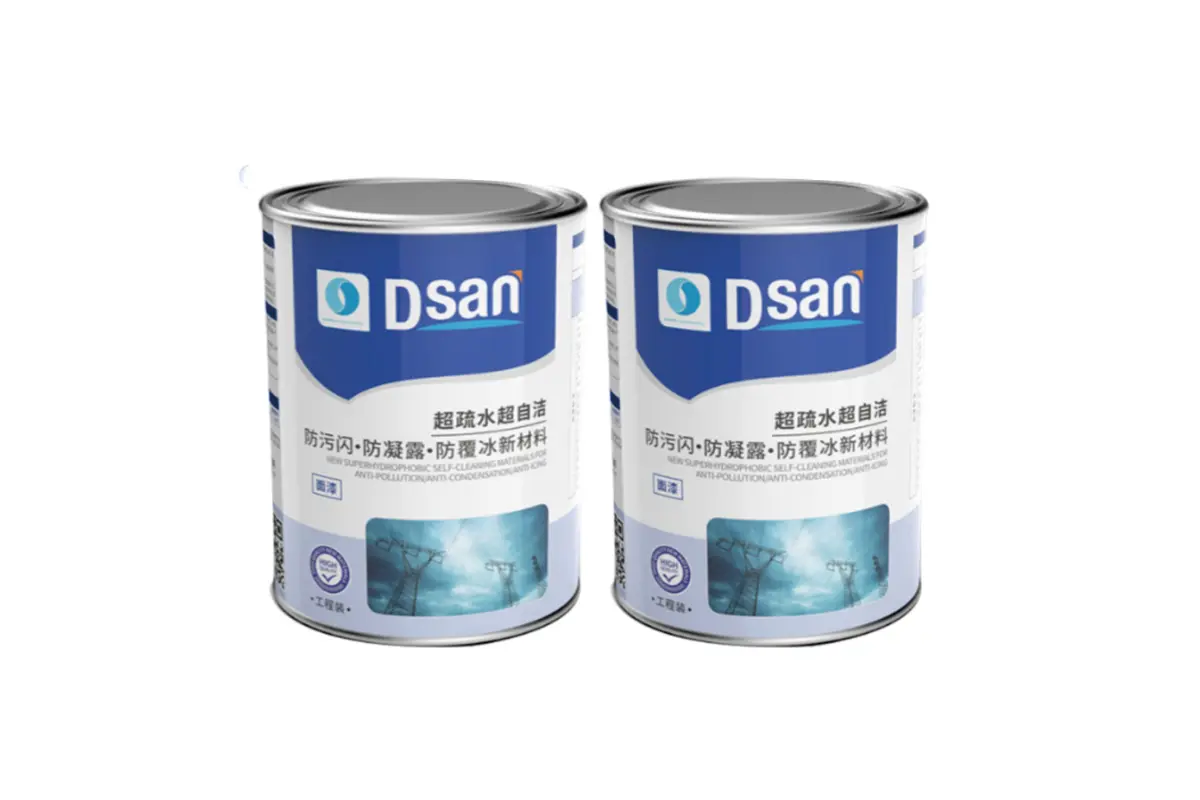
Anti-Condensation Coating
Thin hydrophobic coating for condensation-prone electrical enclosures and insulating components.
View productProduct enquiry
Discuss EIC600 Electrical Insulation Coating.
Tell us the application, substrate, operating environment, development goal or market opportunity.