Application
Anti-Icing Protection for Outdoor Power Equipment
Ice formation depends on the weather event, surface temperature, wind, water supply and equipment geometry. A useful material comparison must reproduce the relevant icing condition.
 Illustrative visual
The challenge
Why this equipment needs a defined material evaluation.
Different icing events can produce different ice structure and adhesion.
Conductors, insulators, sensors and enclosures have different flexibility, erosion and electrical requirements.
Anti-icing performance must be distinguished from active de-icing or ice-removal systems.
Relevant DSAN materials
Connect the application to available products.
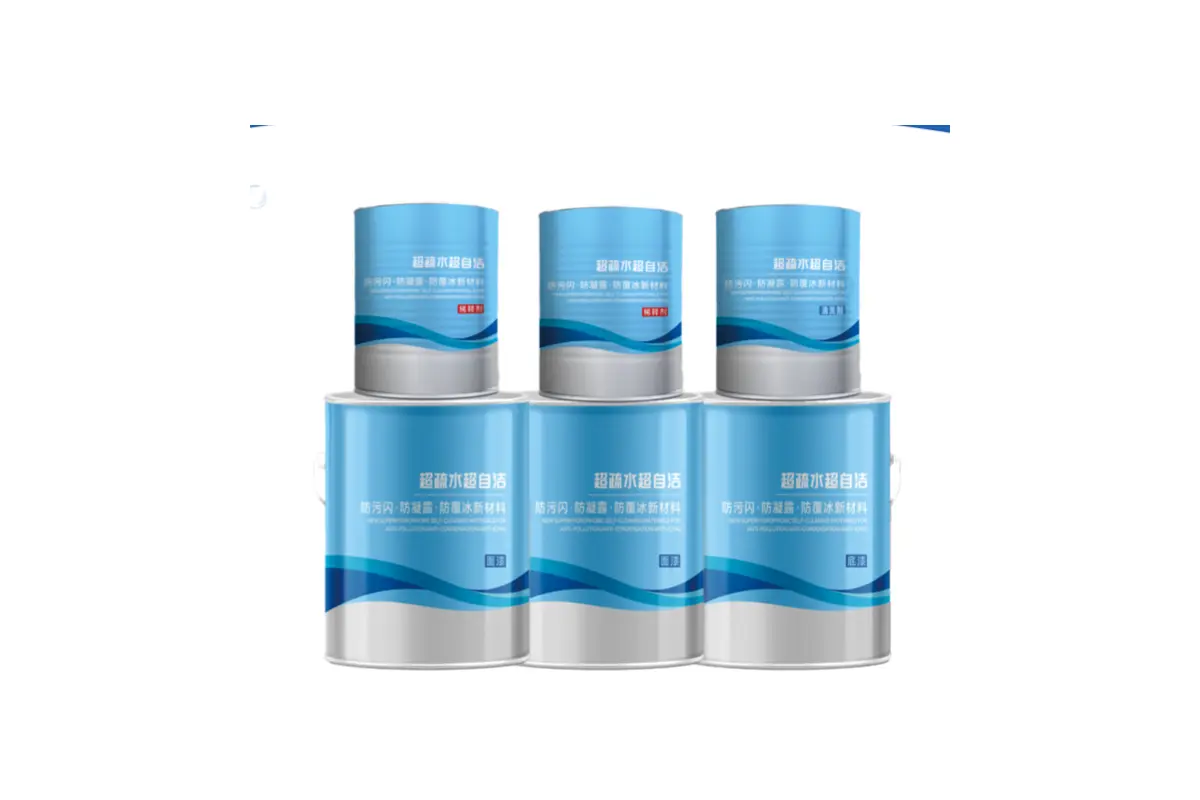
Evaluate DSAN-S2001-DL (III) against the asset, substrate, icing event, application process and acceptance method.
View Related SolutionTypical equipment
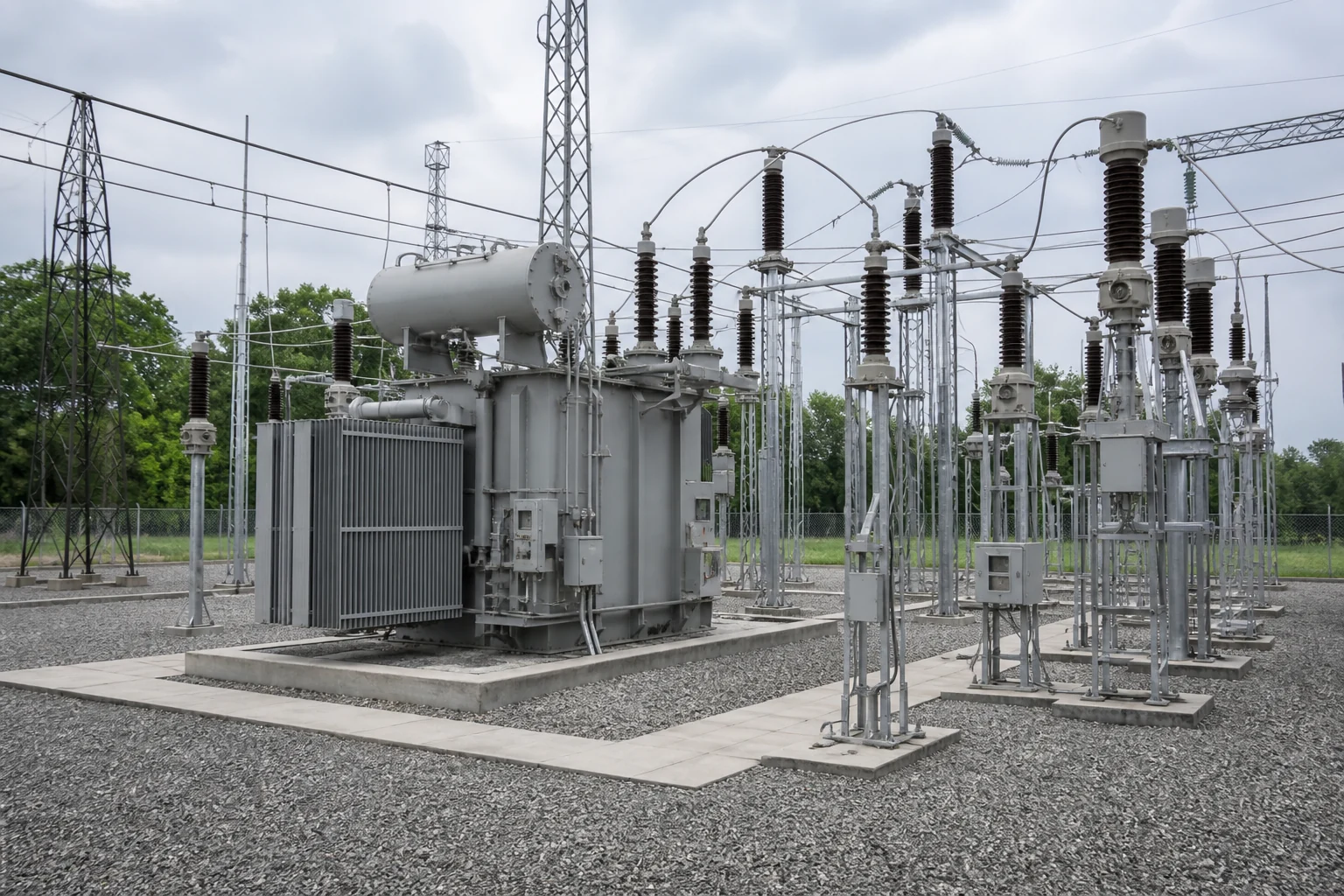
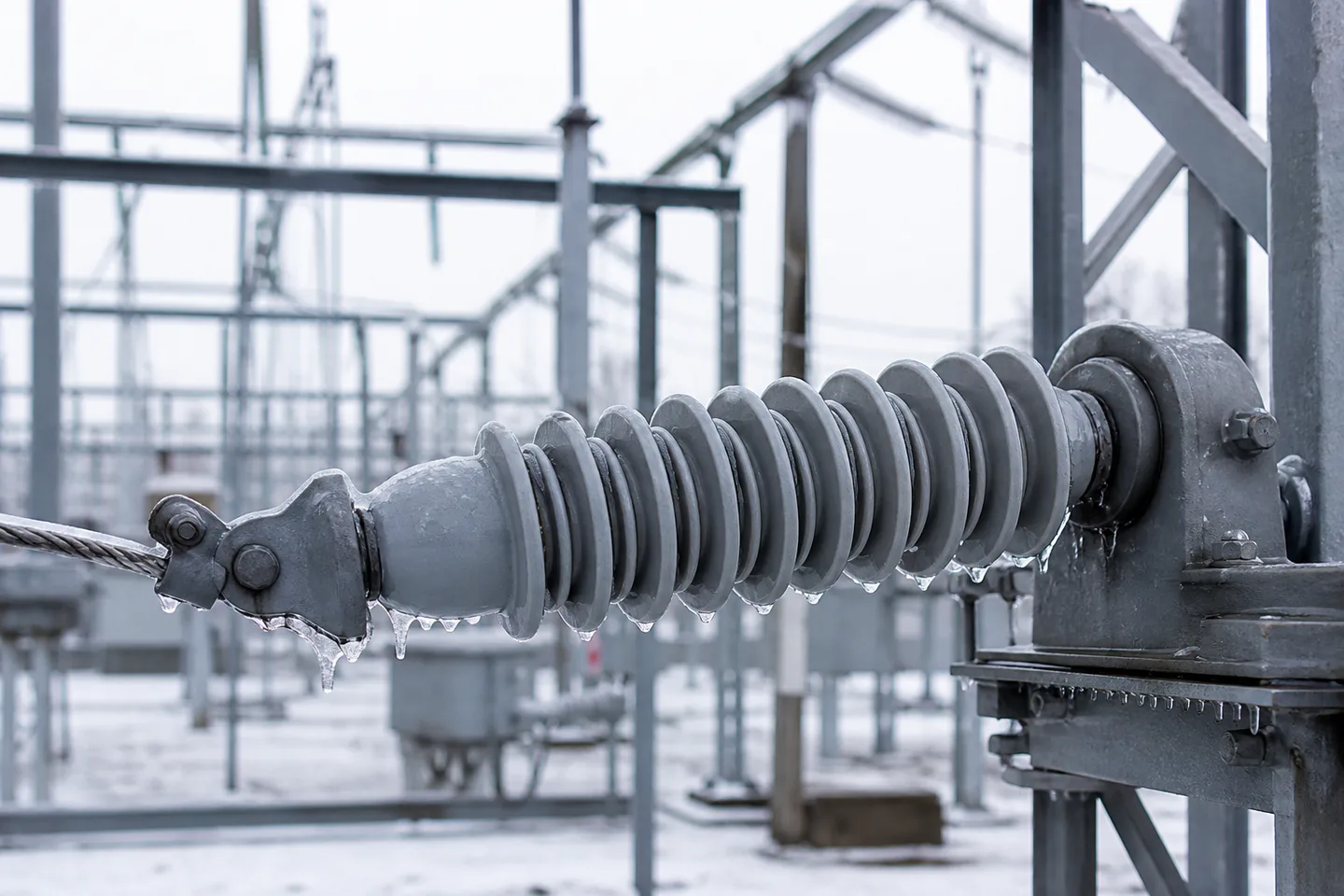
- Outdoor insulators and bushings
- Transmission conductors and fittings
- Outdoor sensors
- Power-equipment housings and exposed surfaces
Key evaluation parameters
Define the test condition before comparing materials.
The table separates the parameter to evaluate from the value or project condition that still needs confirmation.
| Parameter | Why it matters | Current value / status |
|---|---|---|
| Icing temperature and exposure method | Defines the laboratory or field-relevant icing event. | Project input required. |
| Ice-adhesion measurement | Compares treated and control surfaces using the same geometry and loading method. | Project input required. |
| Water contact and roll-off behaviour | Tracks surface wetting before and after environmental cycling. | Project input required. |
| Freeze-thaw durability | Checks retention of film condition and surface function after repeated cycles. | Project input required. |
| Mechanical or erosion requirement | Addresses airflow, particles, flexing or handling relevant to the equipment. | Project input required. |
Related products
Review the relevant products.
Compare each product format with the actual substrate, equipment and operating conditions.
Related industry insights
Read the industry and technical background.
Illustrative visualAnti-Icing Materials for Transmission Equipment
How to compare coating candidates using matched substrates, icing conditions and durability tests.
Read article ↗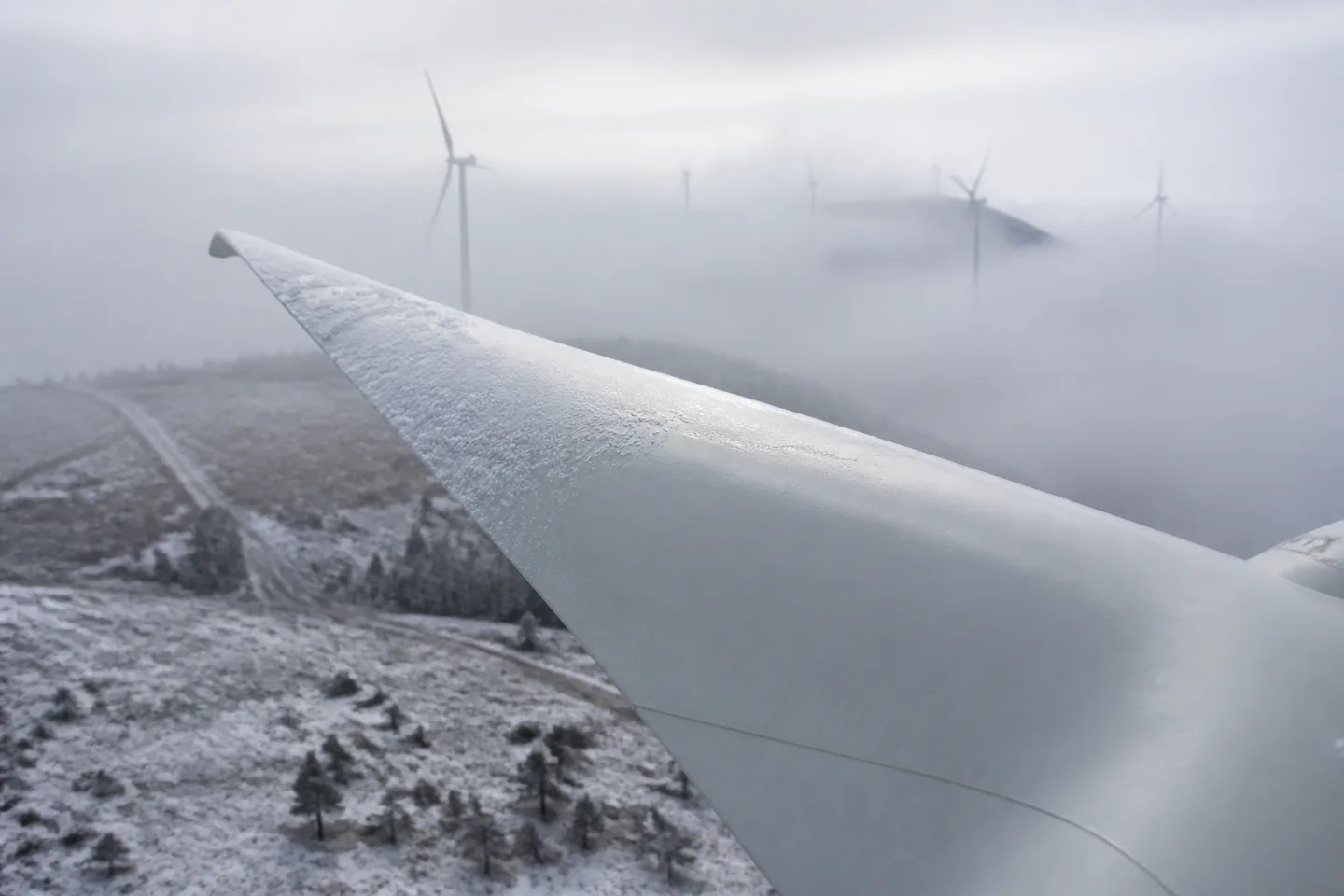 Illustrative visual
Battling Blade Icing: How to Evaluate an Anti-Ice Coating
How to test anti-icing coatings on wind-turbine blades: reproduce the icing conditions, measure ice adhesion, check erosion resistance and follow performance in the field.
Read article ↗Related references
Compare the closest public equipment context.
Technical questions to confirm
Questions an engineer should answer before selection.
Which icing event causes the operational problem?
Describe temperature, precipitation or spray, wind, exposure time, surface temperature and observed ice type.
What substrate and movement does the coating experience?
Identify the material, surface preparation, flexing, vibration, erosion and electrical constraints.
How will success be measured?
Define whether the decision uses ice adhesion, mass, coverage, shedding, retained hydrophobicity or another equipment-level criterion.
Discuss your application
Send the substrate, equipment and operating condition.
Use the form for an application discussion, joint R&D or materials distribution.
More applications