Application
Superhydrophobic Protection for Electrical Insulators
Deposited salt, dust or industrial contamination can become more conductive when the insulation surface is wet. Material selection must address surface wetting, adhesion, ageing and the site's electrical maintenance controls.
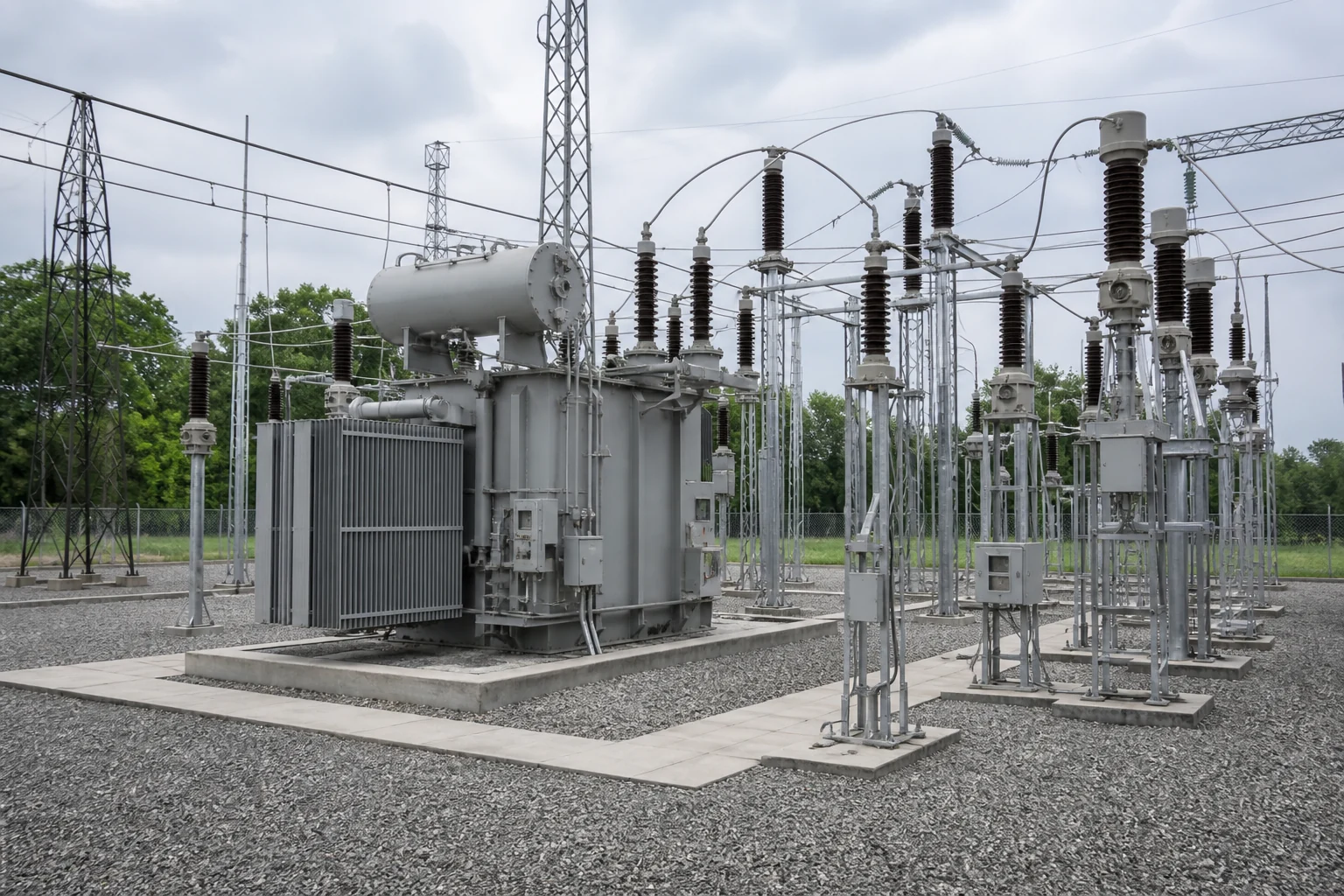 Illustrative visual
The challenge
Why this equipment needs a defined material evaluation.
Contamination type and severity vary by site and season.
Existing surface condition and cleaning method affect coating adhesion and uniformity.
Initial hydrophobicity must be considered together with ageing and field inspection.
Relevant DSAN materials
Connect the application to available products.
DSAN-S2001-(I) is intended for ceramic and glass insulation. Final use depends on the insulator, contamination environment, surface preparation and application controls.
View Related SolutionTypical equipment
- Line insulators
- Substation insulators
- Bushings
- Outdoor ceramic and glass insulation interfaces
Key evaluation parameters
Define the test condition before comparing materials.
The table separates the parameter to evaluate from the value or project condition that still needs confirmation.
| Parameter | Why it matters | Current value / status |
|---|---|---|
| Water contact angle | Initial indicator of water repellency on the prepared coating surface. | >150° reference target; confirm the test method and prepared substrate for the project. |
| Roll-off angle | Initial indicator of droplet mobility on the prepared coating surface. | <5° reference target; confirm droplet volume and prepared substrate for the project. |
| Insulator substrate and surface condition | Defines preparation, primer and adhesion requirements. | Project input required. |
| Contamination and wetting condition | Aligns laboratory comparison with the service environment. | Project input required. |
| Ageing and inspection plan | Defines how retained surface function and coating condition will be checked. | Project input required. |
Related products
Review the relevant products.
Compare each product format with the actual substrate, equipment and operating conditions.
Related industry insights
Read the industry and technical background.

Related references
Compare the closest public equipment context.
Illustrative visualPower transmissionApplication reference · Hydrophobic surface
Outdoor Insulation Under Contamination Exposure
- Challenge
- Water interaction and contamination on exposed insulation
- Material
- DSAN-S2001 Anti-Flashover Coating
Illustrative visualElectrical equipmentApplication reference · Hydrophobic surface
Outdoor Power Equipment in Wet Conditions
- Challenge
- Rain, humidity and deposited contamination
- Material
- Hydrophobic electrical surface coating
Technical questions to confirm
Questions an engineer should answer before selection.
What insulator material and voltage environment are involved?
Identify the ceramic or glass substrate, equipment type, voltage class and whether work requires an outage.
What contamination and moisture conditions occur at the site?
Describe salt, dust, industrial deposits, fog, rain, humidity and the existing cleaning interval.
What should be evaluated?
List the intended surface, application process, operating exposure and comparison method.
Discuss your application
Send the substrate, equipment and operating condition.
Use the form for an application discussion, joint R&D or materials distribution.
More applications