Industry insight · 8 min read
How Superhydrophobic Surfaces Manage Water
How hierarchical texture, trapped air and surface chemistry influence wetting—and what to validate before choosing a material format.
 Illustrative visual
Why water beads and moves
Lotus-inspired surfaces combine micro- and nanoscale texture with low-surface-energy chemistry. The texture can retain small pockets of air, reducing effective contact between water and the solid surface.
Water then tends to form compact droplets instead of a continuous film. Low adhesion and slight surface tilt can help those droplets move and release; moving droplets may also collect loosely attached particles.
A surface response—not a condensation cure
Superhydrophobicity controls wetting; it does not eliminate condensation. Air temperature, surface temperature, humidity, enclosure design, ventilation and insulation still determine whether moisture condenses.
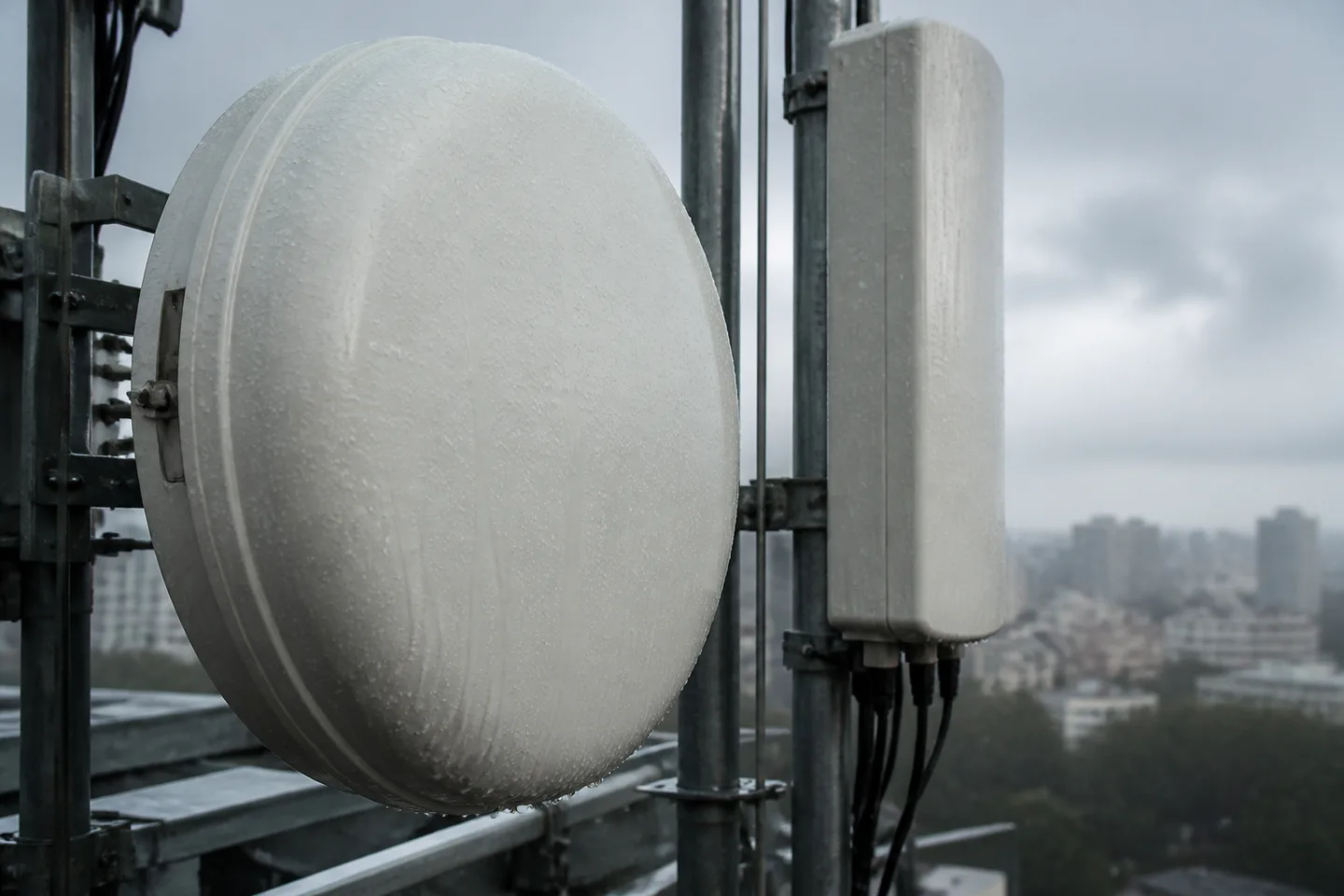
On condensation-prone equipment, a low-wetting surface can be one part of the moisture-control plan. Suitability must be checked alongside the enclosure's existing thermal, ventilation and drainage controls.
Validation depends on the application
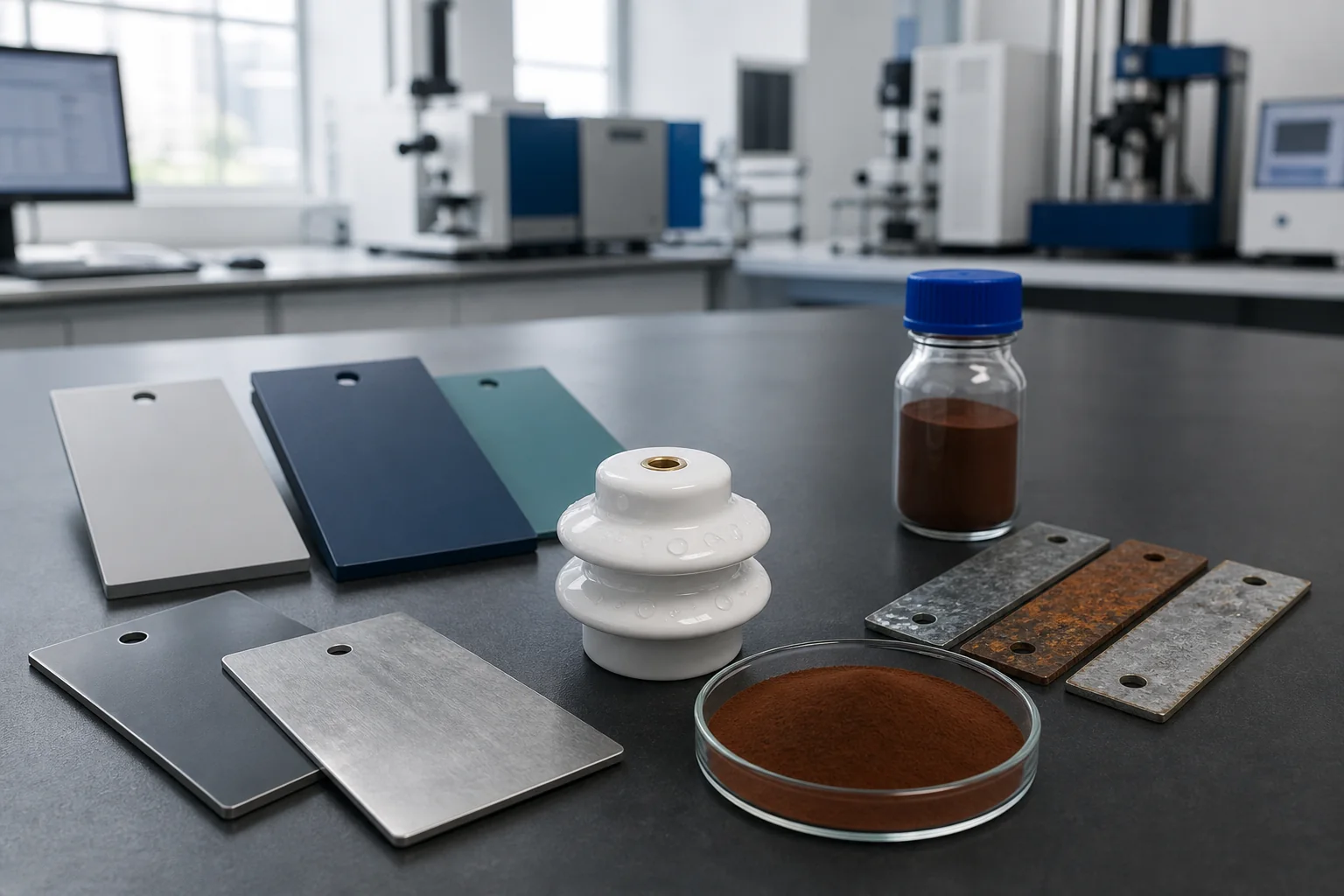
Films, optical windows, textiles and outdoor coatings do not fail in the same way, so each needs its own test plan and acceptance criteria.
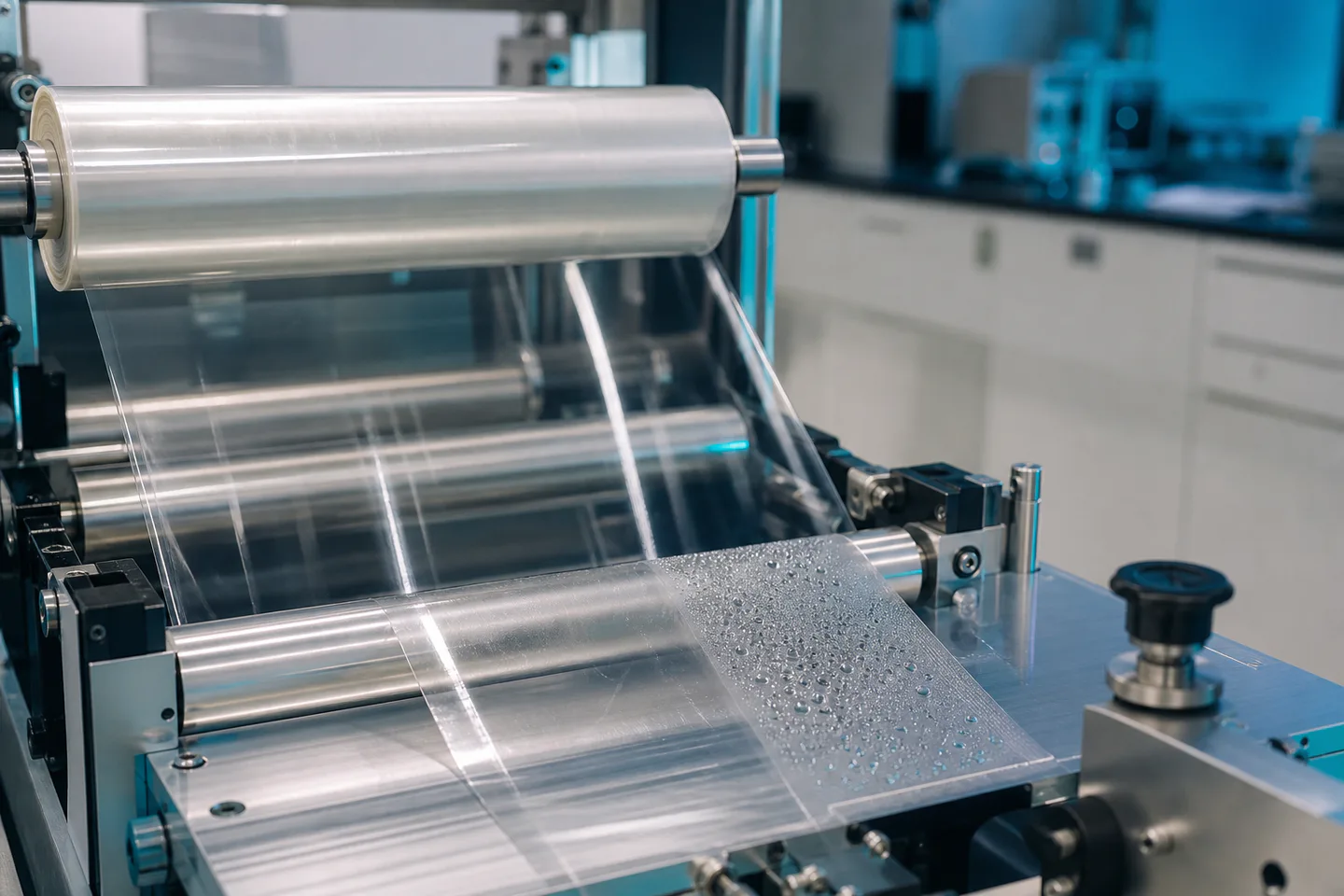
- Films and membranes: review adhesion, flexing, abrasion and the downstream converting process.
- Optical and sensor windows: review transmission, haze, cleaning compatibility and long-term clarity.
- Technical textiles: review hand feel, breathability, wash durability and repeated flexing.
- Outdoor equipment surfaces: review ultraviolet exposure, weathering, chemicals, abrasion and maintenance.
Start with the substrate
Before selecting samples, record the substrate, how it will encounter water, the application process and the required durability.
- Substrate: what material, geometry and surface condition must be treated?
- Water exposure: rain, spray, splash, intermittent contact or condensation?
- Application process: how will the coating, film or formulation be integrated?
- Durability target: which cycles, stresses and maintenance conditions must be validated?
Choose the integration format
The material may be applied as a coating, incorporated into a polymer film or sheet, or formulated with a development partner. The substrate and manufacturing process determine which format is practical.
Test against the intended service conditions
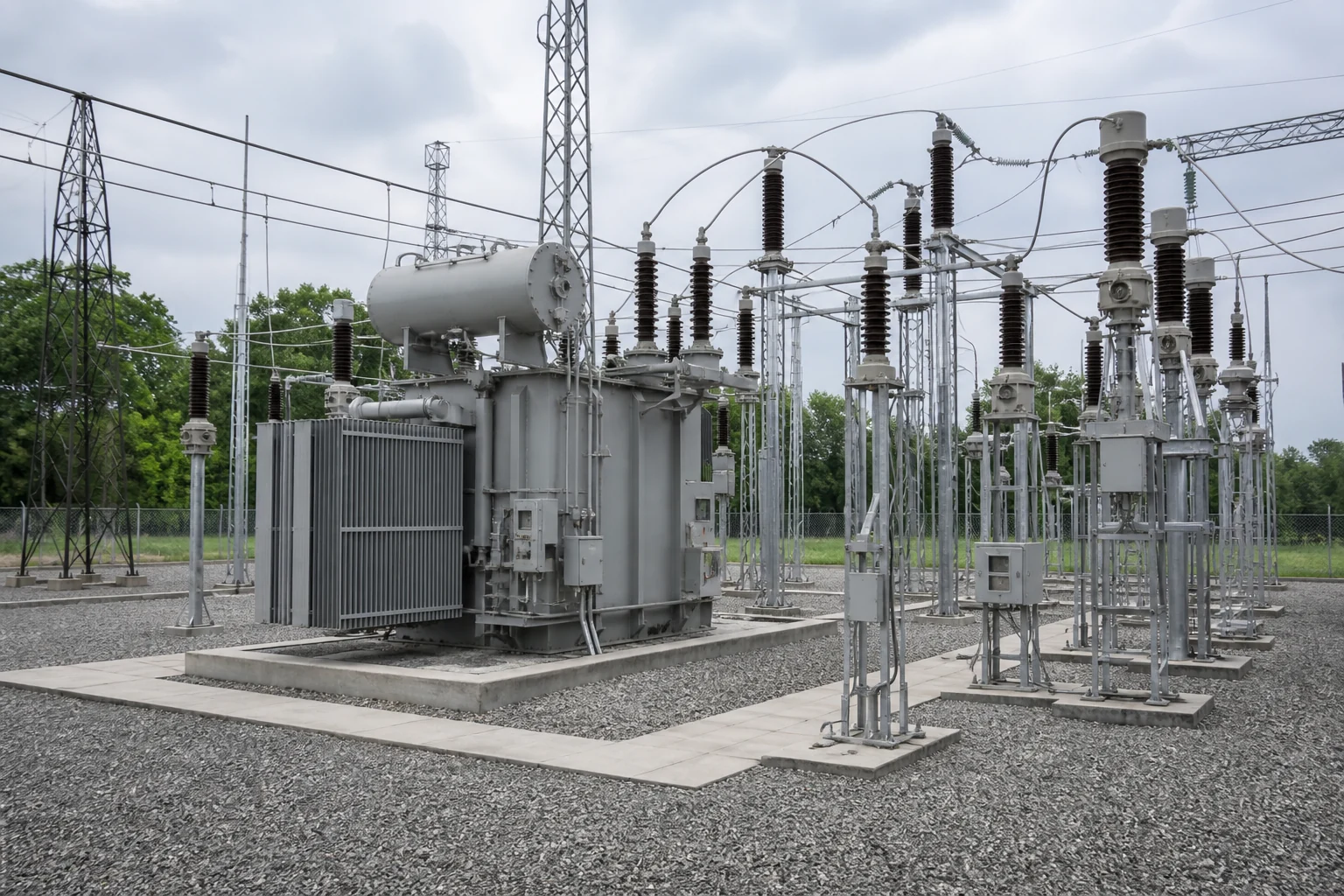
For outdoor electrical insulation, record the insulation type, contamination environment, cleaning method, application process and inspection criteria. Laboratory data and field review should address the same wetting, ageing and electrical risks.
Application suitability and long-term performance require validation under the actual processing and service conditions. A single contact-angle result does not establish field suitability.
Questions engineers often ask
Does a superhydrophobic coating stop condensation?
No. It changes wetting after water has condensed; dew-point conditions and enclosure design still determine whether condensation forms.
Do contact angle and roll-off angle prove field performance?
They describe initial wetting and droplet mobility under a defined test method. Field suitability also depends on adhesion, ageing, contamination, abrasion, chemicals, application quality and the operating environment.
What information should be supplied before selecting a material format?
Share the substrate and geometry, water exposure, surface preparation, application process, operating environment and durability target. Those details determine the relevant product format and validation plan.