Application
Heat-Activated Early-Stage Fire Suppression for Electrical Cabinets
Electrical cabinets contain concentrated ignition risks, limited space and ventilation paths. Component format, quantity and position must be developed around the real enclosure and validated as part of the finished equipment.
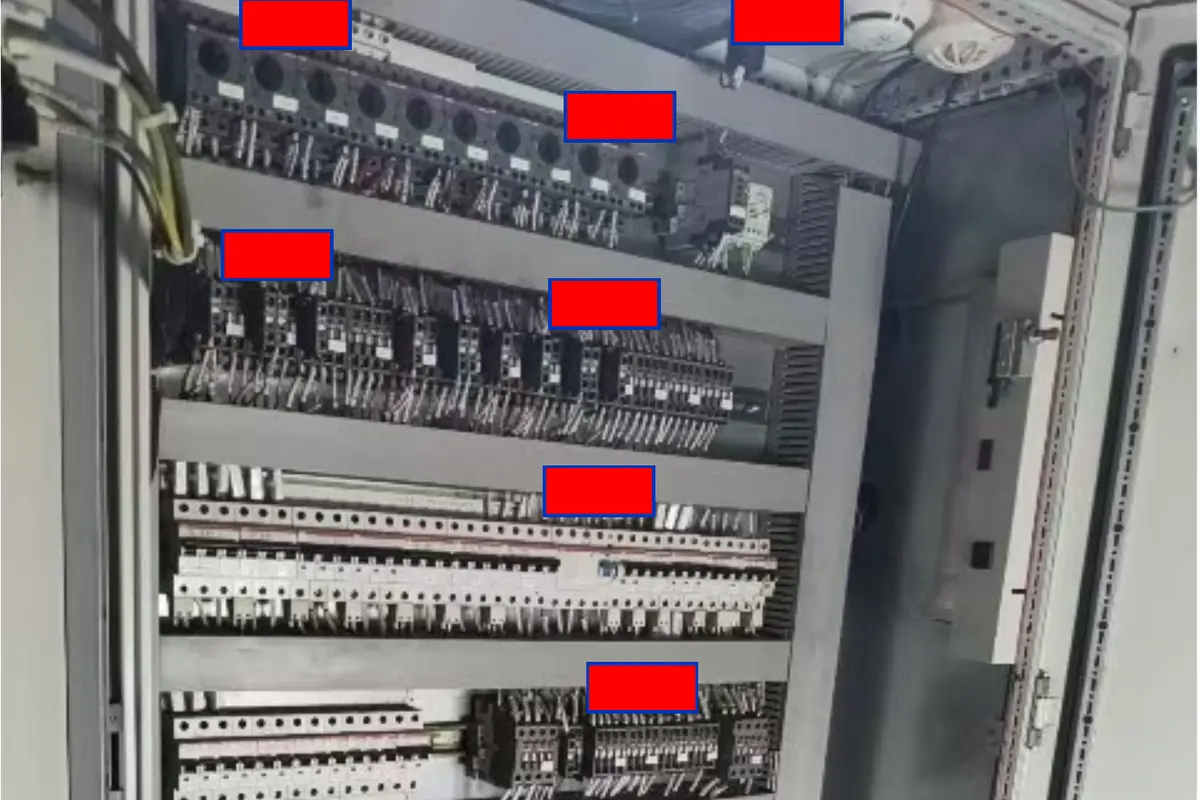
The challenge
Why this equipment needs a defined material evaluation.
The ignition source, protected volume and airflow vary between cabinet designs.
Patches, tapes, cords, blankets and coatings place the active material in different ways.
A material release time is not the same as an equipment-level extinguishment result.
Relevant DSAN materials
Connect the application to available products.
DSAN NEW MATERIALS supplies FK-5-1-12 microcapsules and passive component formats for engineering evaluation. The equipment manufacturer or owner controls protected-zone definition, placement, quantity and finished-equipment validation.
View Related SolutionTypical equipment
- Control cabinets
- Distribution cabinets
- Wind-turbine nacelle and tower-base cabinets
- Battery, UPS and power-electronic enclosures
Key evaluation parameters
Define the test condition before comparing materials.
The table separates the parameter to evaluate from the value or project condition that still needs confirmation.
| Parameter | Why it matters | Current value / status |
|---|---|---|
| Protected volume and ventilation | Defines the enclosure conditions for quantity and placement review. | Project input required. |
| Ignition source and thermal profile | Identifies the relevant activation location and response condition. | Project input required. |
| Component format and dimensions | Matches patch, tape, cord, blanket or coating to available space. | Current DSAN NEW MATERIALS format data is shown on the related product page; cabinet-specific selection is required. |
| Agent release time | Describes material release under the stated test condition; it is not an extinguishment-time claim. | ≤3 s in current DSAN NEW MATERIALS component documentation; format-specific trigger and test condition apply. |
| Finished-equipment performance | Confirms fire, electrical, ageing, mechanical and applicable compliance requirements. | Project input required. |
Related products
Review the relevant products.
Compare each product format with the actual substrate, equipment and operating conditions.
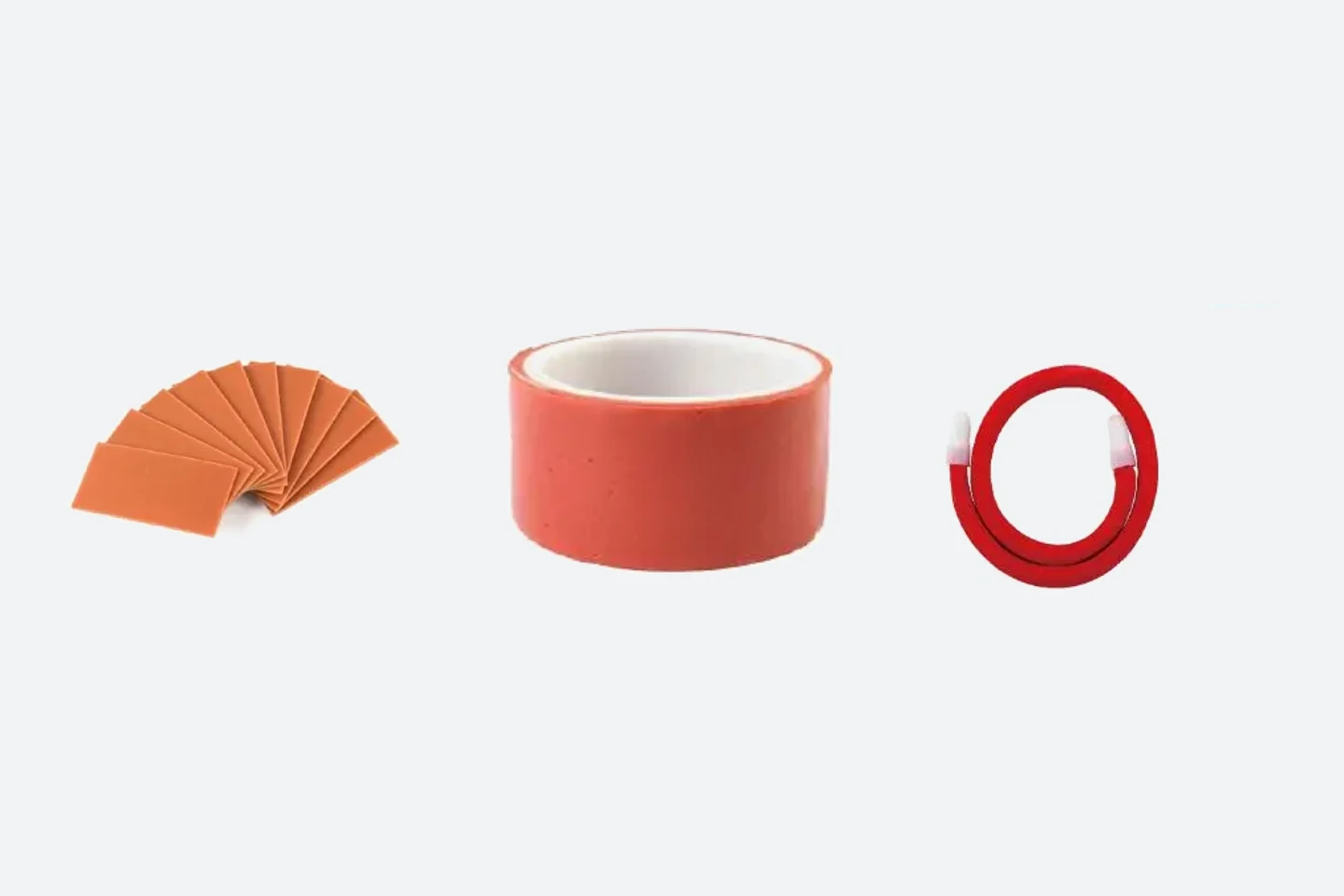
Passive Fire-Suppression Components
Heat-activated patches, tapes, cords, blankets and coatings for early-stage fire-suppression evaluation in compact equipment spaces.
View product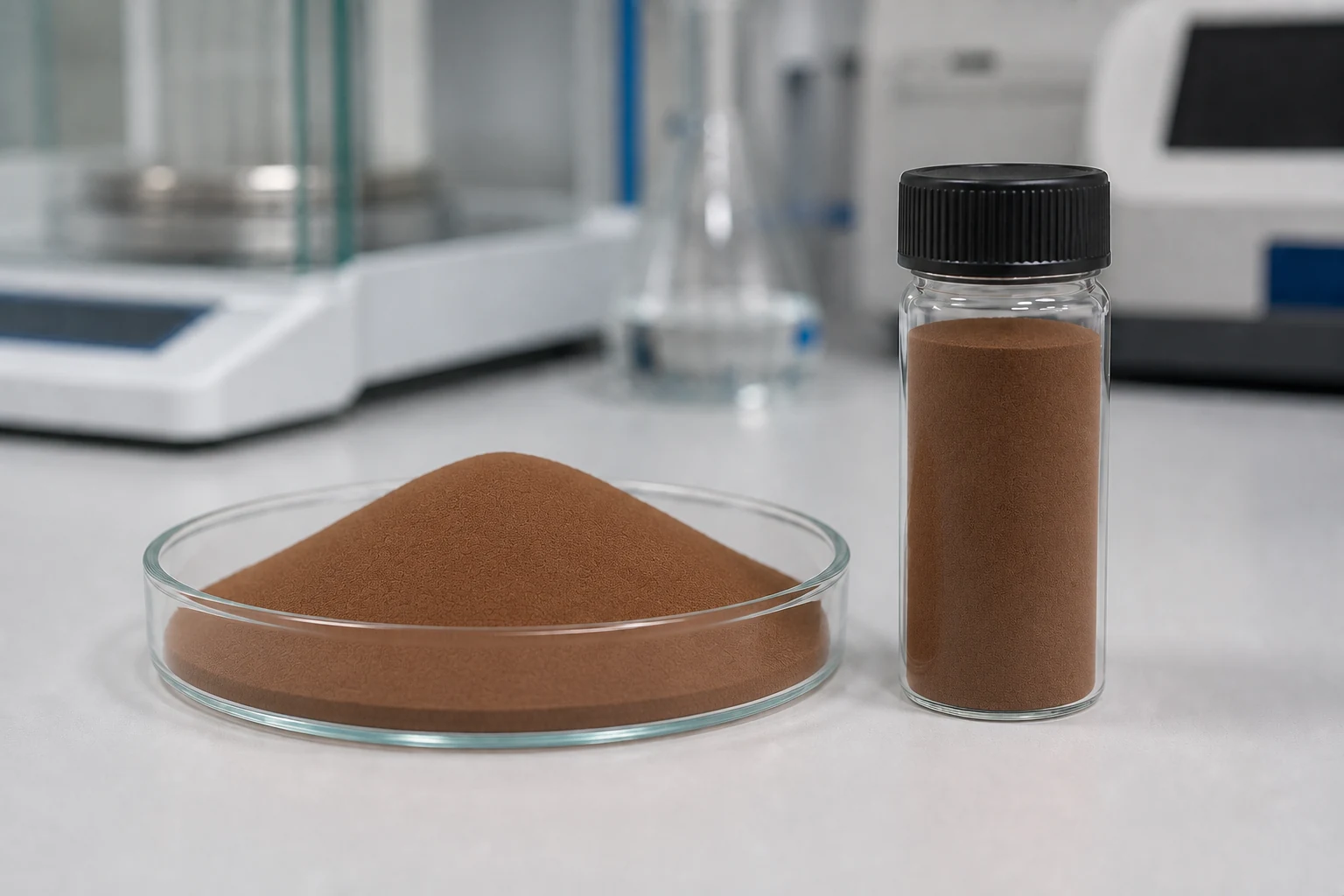 Illustrative visual
FK-5-1-12 Fire-Suppression Microcapsules
Polymer-shelled microcapsules containing FK-5-1-12 agent for integration into heat-activated components.
View productRelated industry insights
Read the industry and technical background.
Illustrative visualPassive Fire-Suppression Materials for Compact Equipment
How microcapsule materials move from a functional input to a tested equipment component.
Read article ↗Illustrative visualHow to Select Fire-Suppression Microcapsules for Electrical and Energy-Storage Enclosures
What to check when selecting fire-suppression microcapsules: enclosure conditions, component form, supplier test reports and performance in the finished equipment.
Read article ↗Related references
Compare the closest public equipment context.
Technical questions to confirm
Questions an engineer should answer before selection.
Which cabinet zone is being protected?
Provide the enclosure volume, internal layout, ventilation openings, ignition sources and available mounting positions.
Which fire scenario and acceptance method apply?
Define the representative fault, fuel, energization state, detection arrangement and equipment-level test criteria.
Which integration limits must be checked?
Confirm electrical clearances, attachment, ageing, material compatibility, maintenance access and applicable regulatory requirements.
Discuss your application
Send the substrate, equipment and operating condition.
Use the form for an application discussion, joint R&D or materials distribution.
More applications