
Material solutions
Protection for industrial equipment.
Explore material options for water, ice, electrical insulation, corrosion and early-stage fire, with relevant products and application guidance.
Choose your need
Choose the closest operating problem.
If the requirement crosses more than one area, send the equipment and operating condition for a combined review.
 Illustrative visual
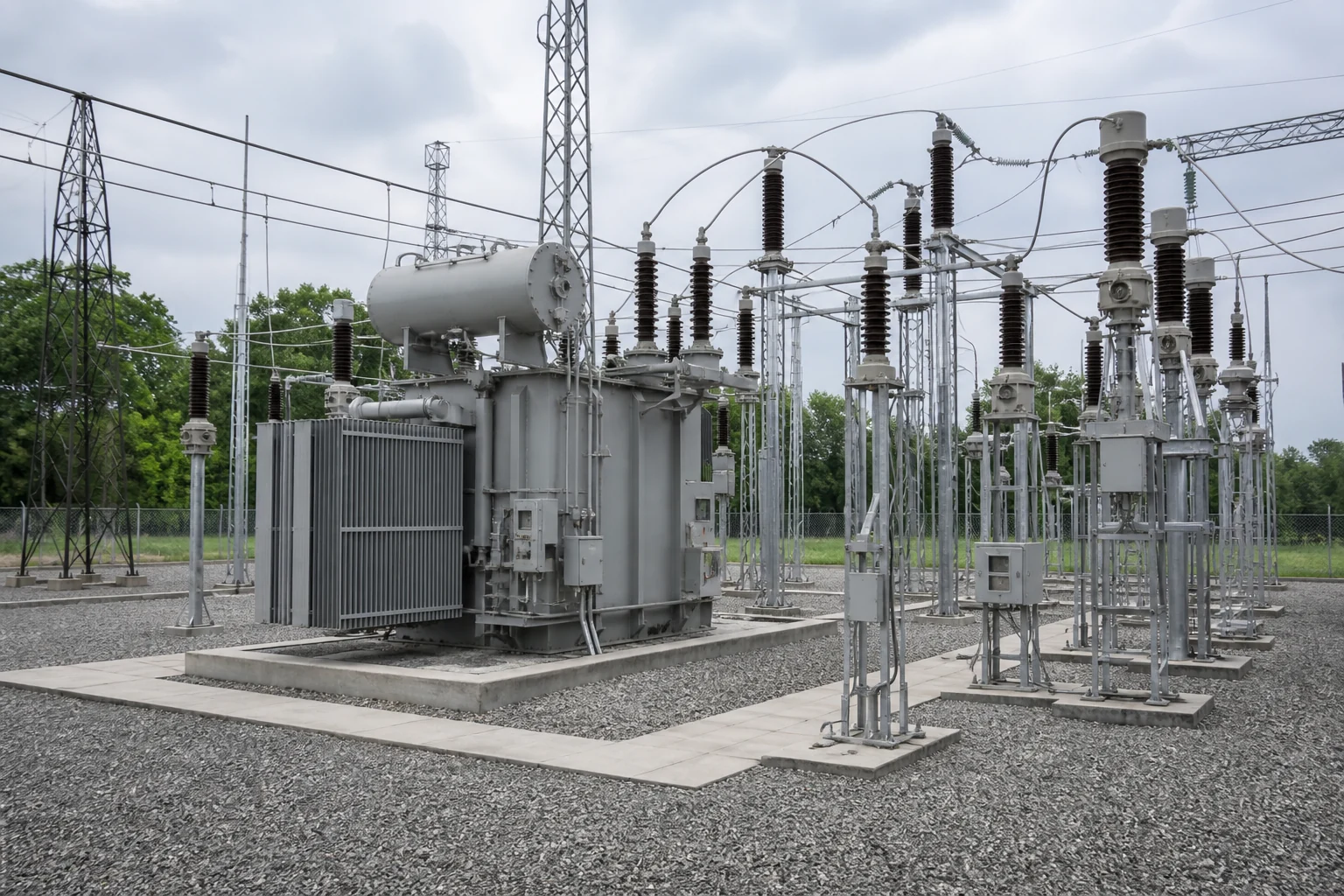
Pollution Flashover Control
Reduce continuous water films on polluted ceramic and glass insulation with a compatible surface treatment.
- Polluted insulation that becomes wet
- Continuous water films on ceramic or glass
- Surface preparation, application and inspection
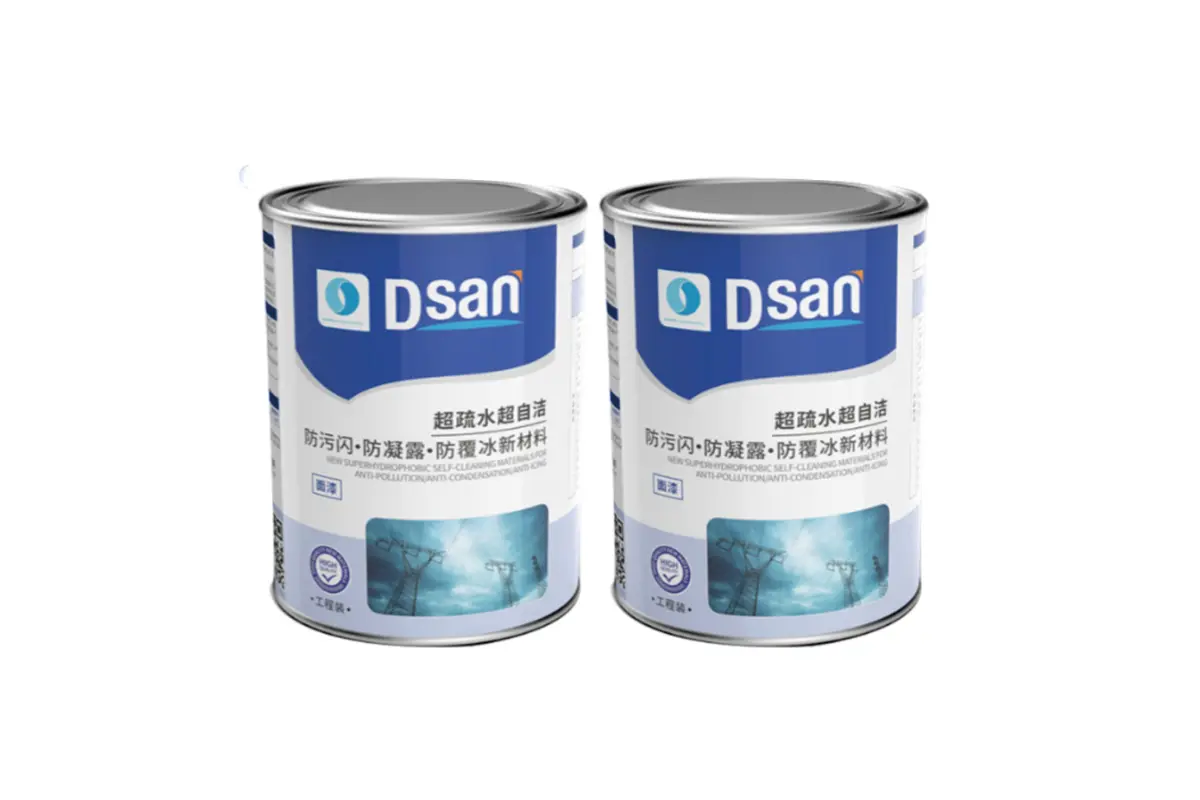
Enclosure Condensation Control
Address moisture films on cabinet interiors and insulating parts exposed to temperature and humidity cycles.
- Recurring cabinet condensation
- Moisture on internal insulation interfaces
- Temperature and humidity cycling
 Illustrative visual
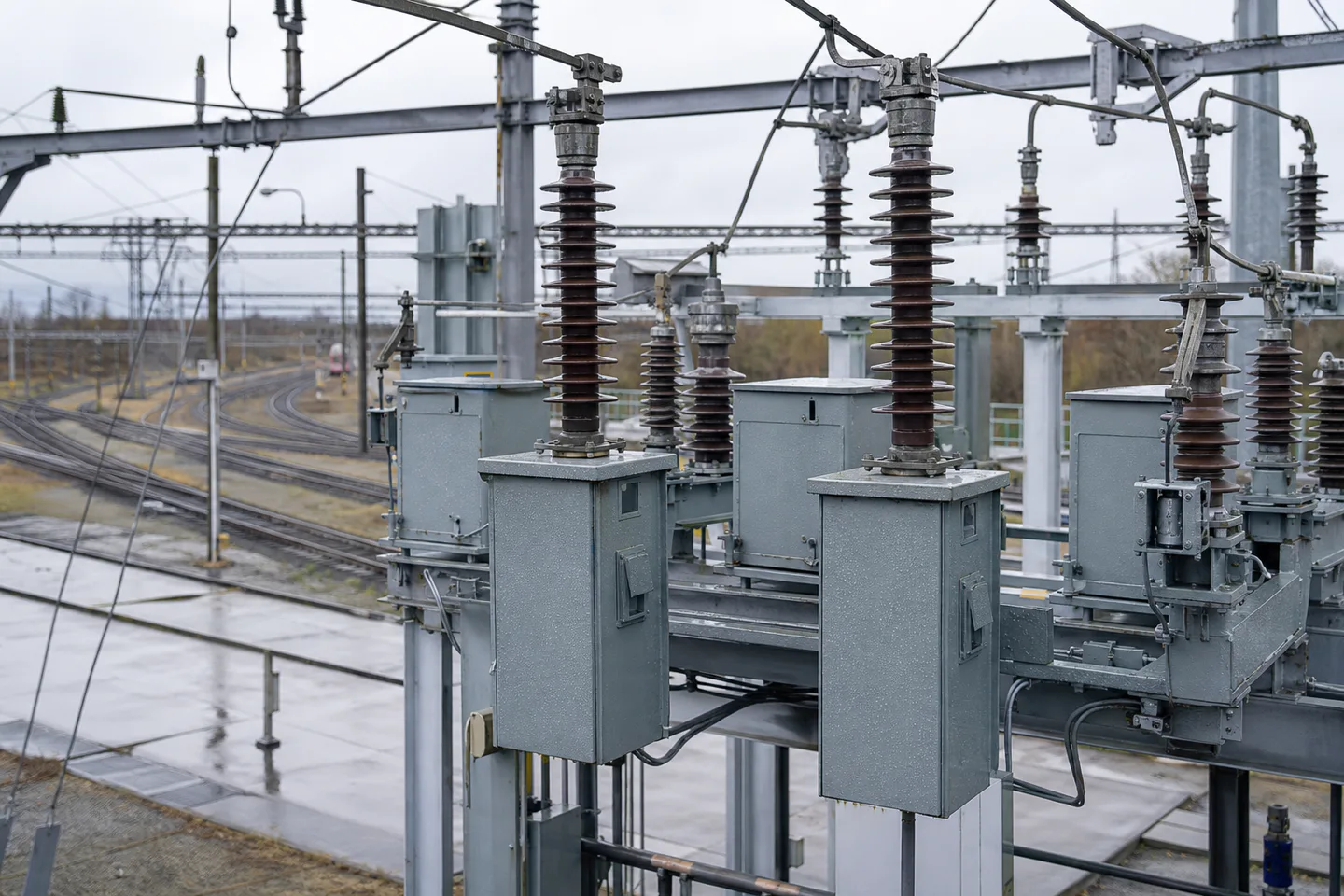
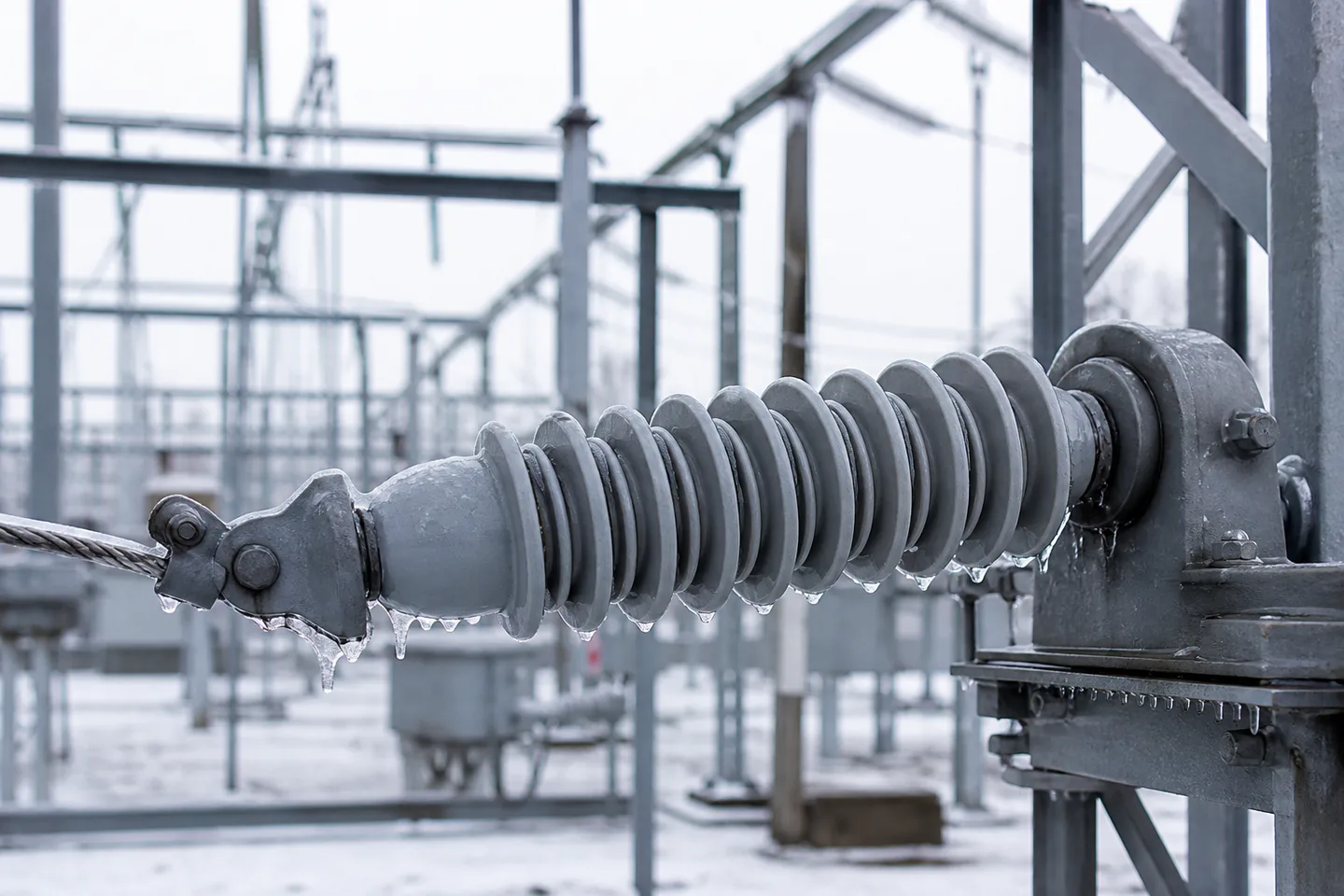
Electrical Insulation Protection
Evaluate insulating coatings for designated electrical components, substrates and safety requirements.
- Insulation requirements on designated parts
- Complex component geometry
- Film-build and electrical verification
 Illustrative visual
Anti-Icing & Easy-Deicing
Reduce ice adhesion on exposed equipment surfaces under defined winter conditions.
- Ice adhesion on exposed surfaces
- Freeze-thaw and winter weather exposure
- Limited access for manual de-icing
 Illustrative visual
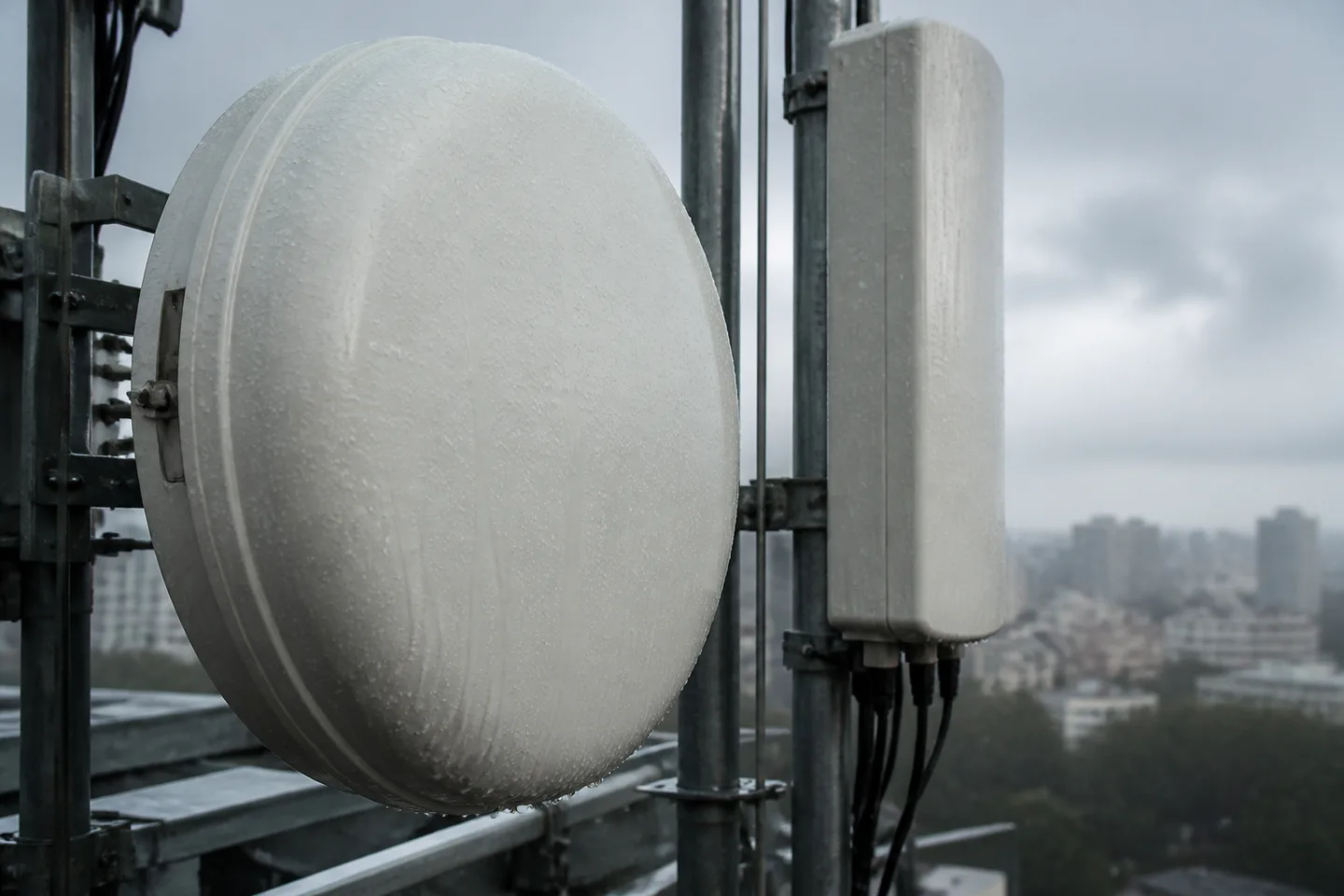
Radome Protection
Evaluate hydrophobic material integration for radomes while retaining substrate and RF requirements.
- Persistent surface-water films
- Rain-fade and icing concerns
- Strict RF and substrate compatibility requirements
 Illustrative visual
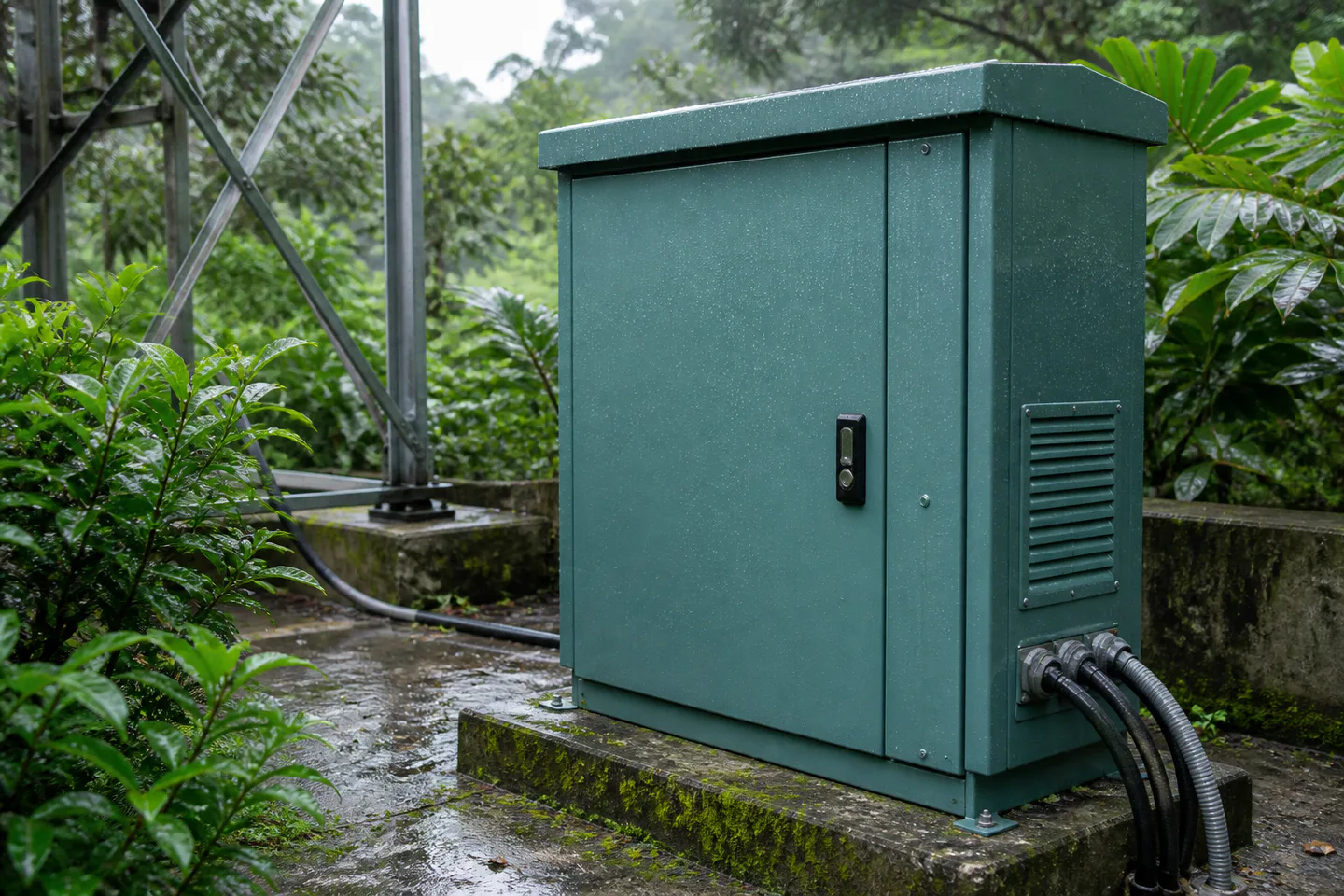
Self-Cleaning Surface Control
Manage persistent water, deposited contamination, mold and algae on suitable outdoor surfaces.
- Persistent wetting and deposited dirt
- Mold or algae on humid outdoor equipment
- Reduced access for frequent cleaning
 Illustrative visual
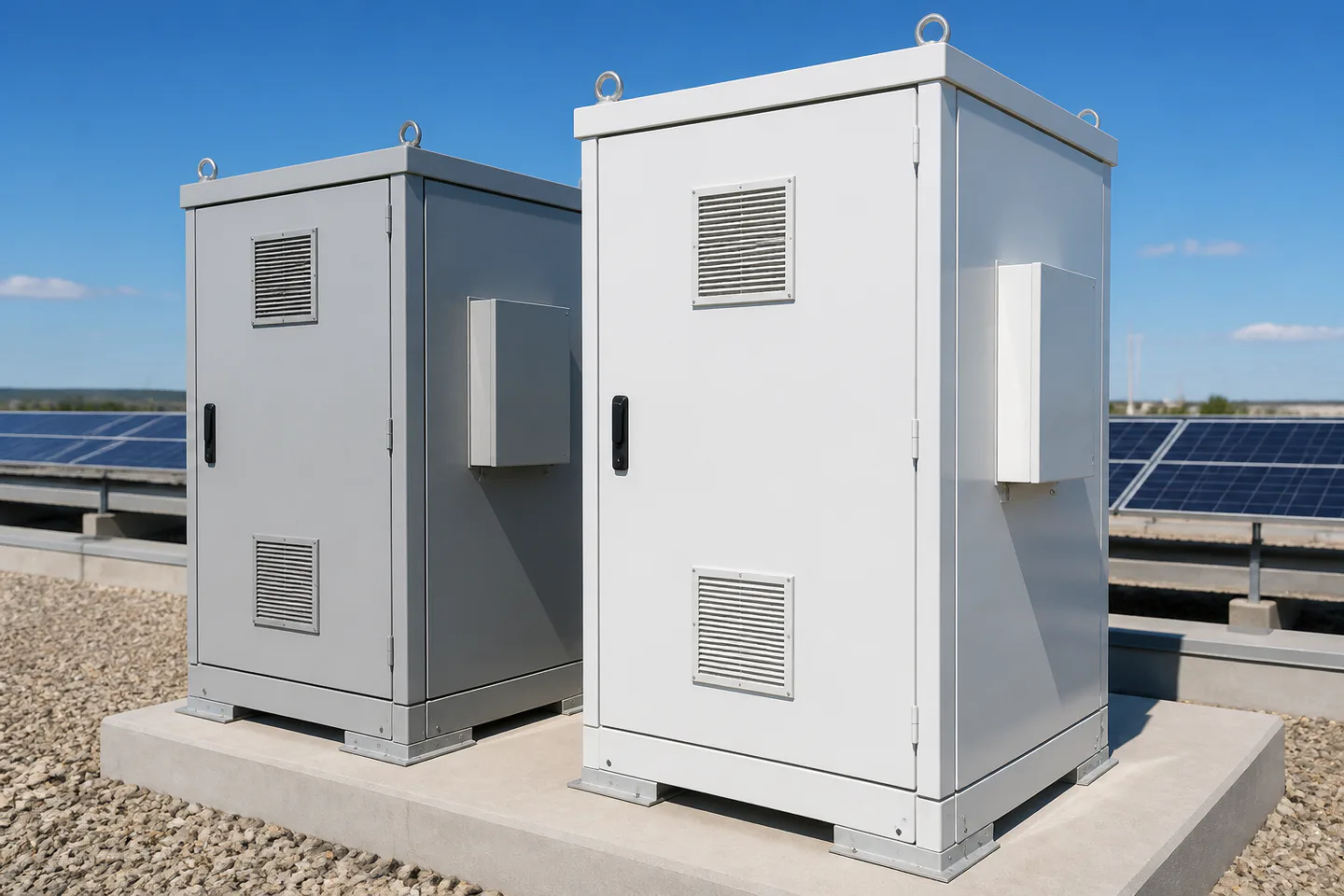
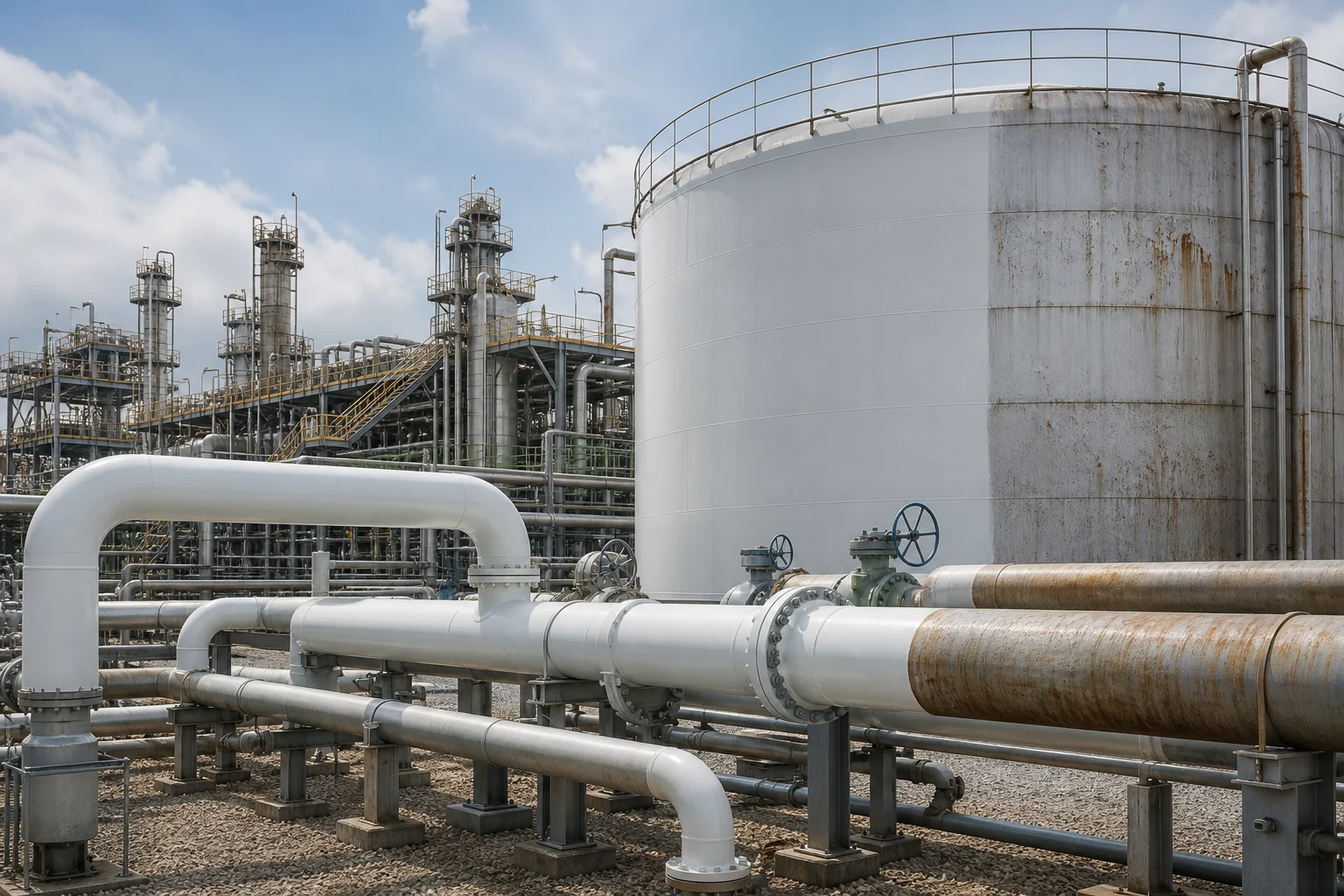
Passive Radiative Cooling
Evaluate high-reflectance surface coatings for solar-exposed equipment and structures.
- Solar heat loading
- Hot outdoor enclosures and structures
- Need for a passive surface treatment
 Illustrative visual
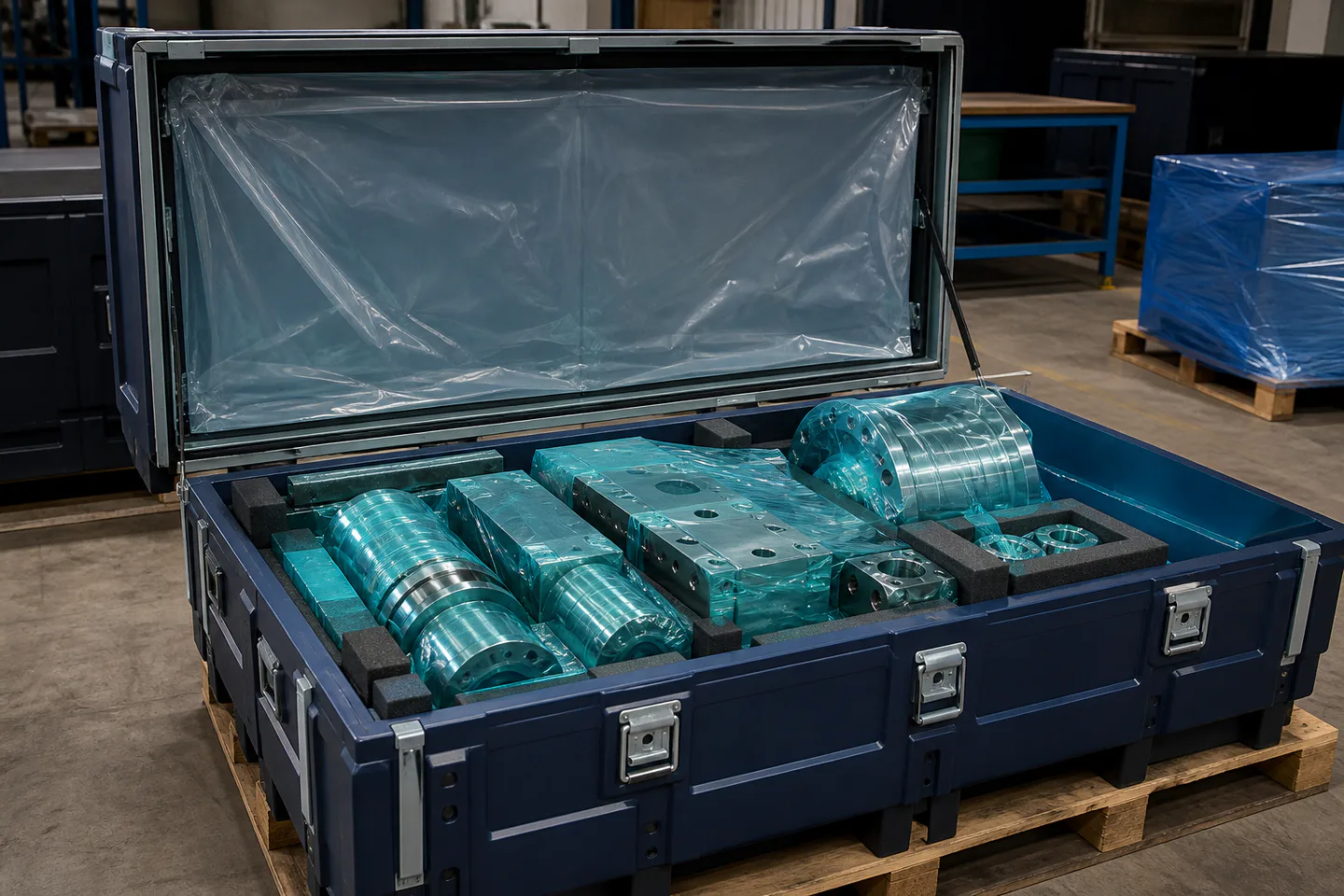
Heavy-Duty Corrosion Protection
Define preparation, coating and verification requirements for steel exposed to industrial corrosion.
- Corroded or firmly rusted steel
- Industrial, salt or humid exposure
- Surface-preparation limits
 Illustrative visual
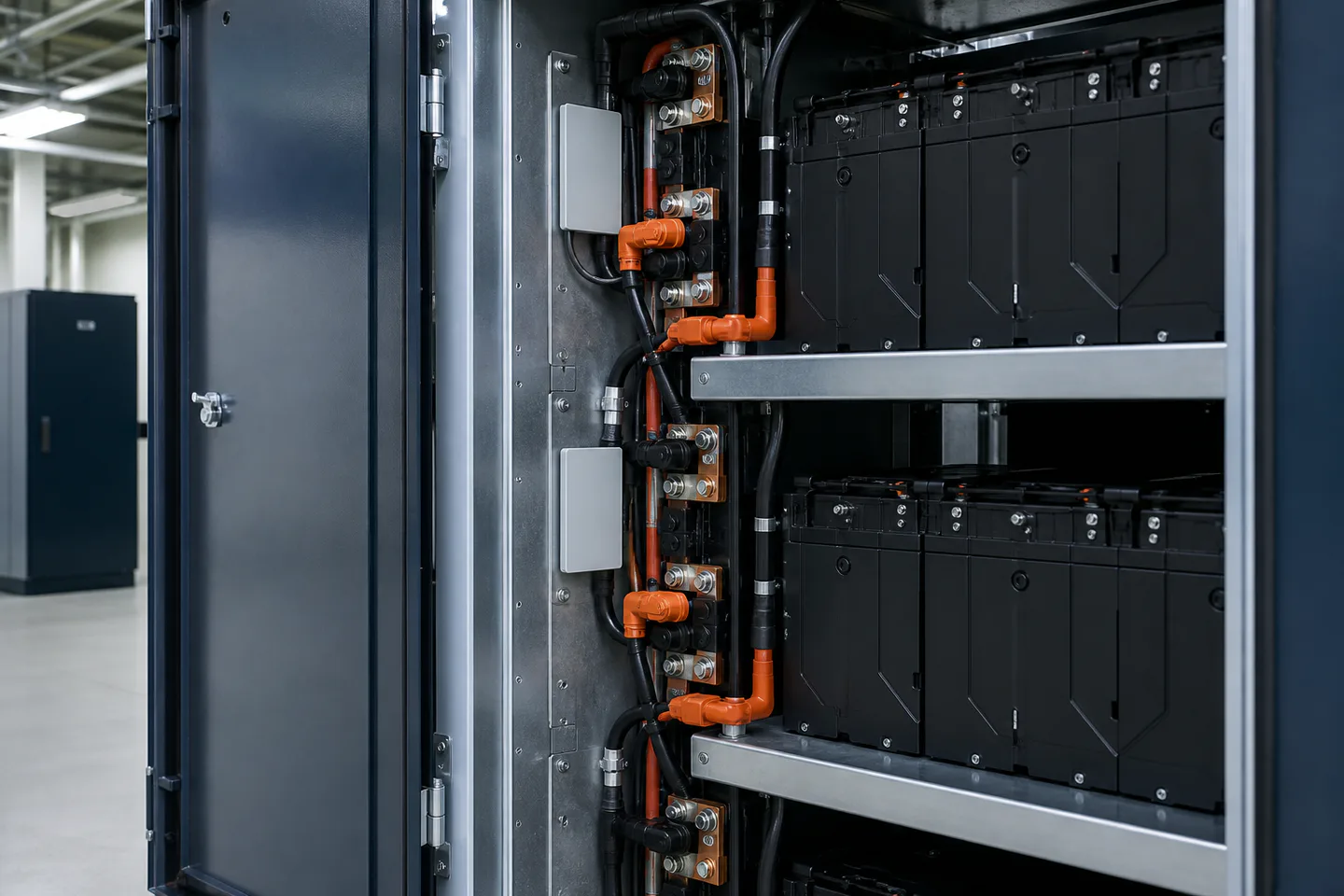
Enclosed Equipment Preservation
Control corrosion inside cabinets, packages and cavities during service, storage or transport.
- Internal corrosion in enclosed spaces
- Storage and transport exposure
- Limited access to internal metal surfaces
 Illustrative visual
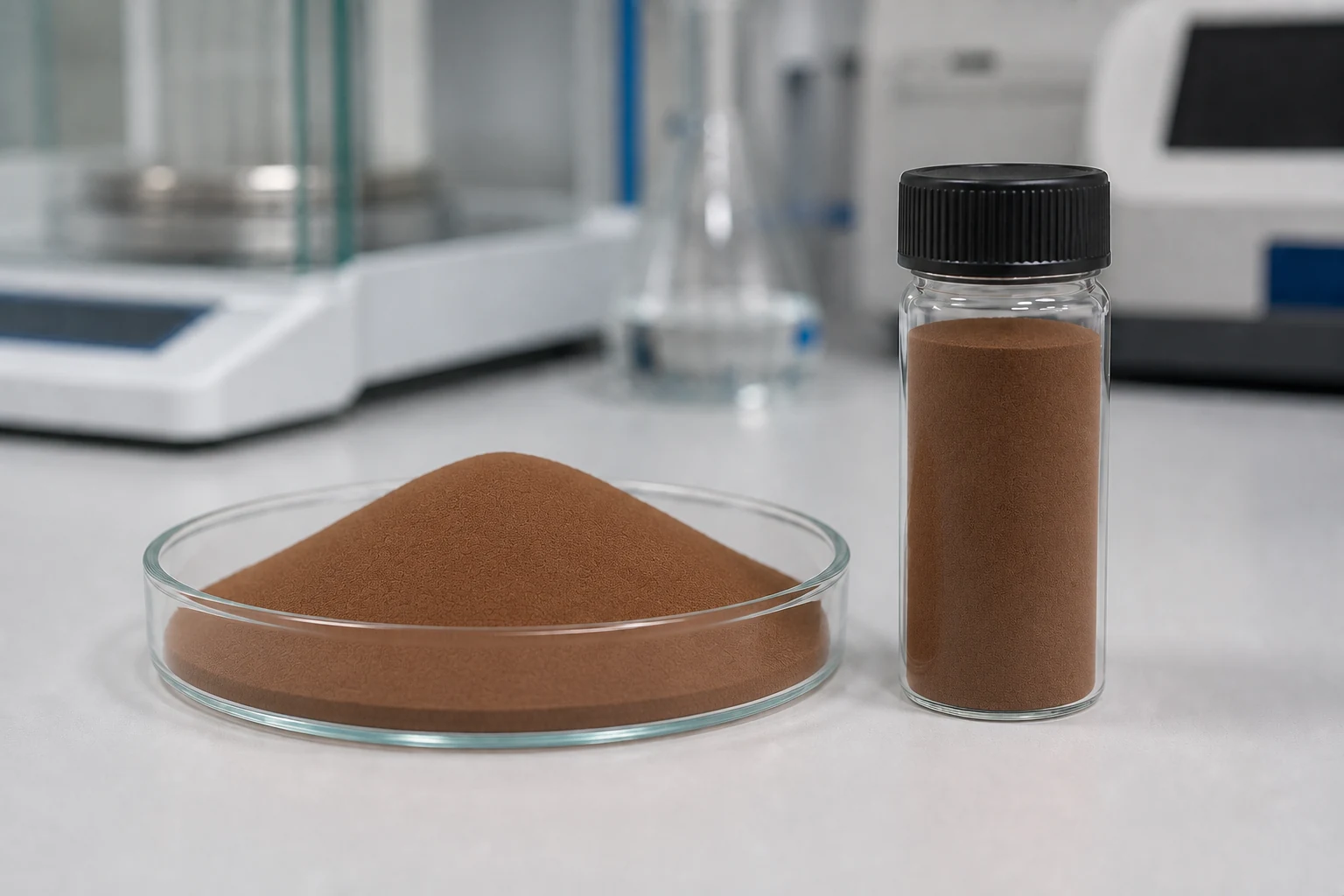
Enclosure Fire Suppression
Evaluate heat-activated materials and component layouts for compact electrical and equipment spaces.
- Incipient fire risk in compact enclosures
- Limited mounting and routing space
- Need for local thermal activation
 Illustrative visual
Functional Material Integration
Integrate functional powders or microcapsules into coatings, films and components developed for the intended use.
- Need for a functional material intermediate
- Compatibility with an existing formulation or process
- Finished-product validation requirements
Industry insights
Material selection and testing guides
Illustrative visualRadome Coatings: What Changes When Rain Meets Oily Dust?
Water repellency is only part of the problem on exposed radomes. Evaluate oily contamination, weathering and RF transmission together before choosing a coating.
Read the guide ↗ Illustrative visual
Industrial Optical Windows: Test with the Real Cutting Fluid
For machine-vision and observation windows, oil repellency must work alongside optical clarity, cleaning durability and the actual coolant—not just a demonstration droplet.
Read the guide ↗Illustrative visualRadiative-Cooling Coatings: What Happens After the Surface Gets Dirty?
A clean panel is the starting point. For outdoor equipment, compare cooling performance after soiling, weathering and the cleaning method you can actually use.
Read the guide ↗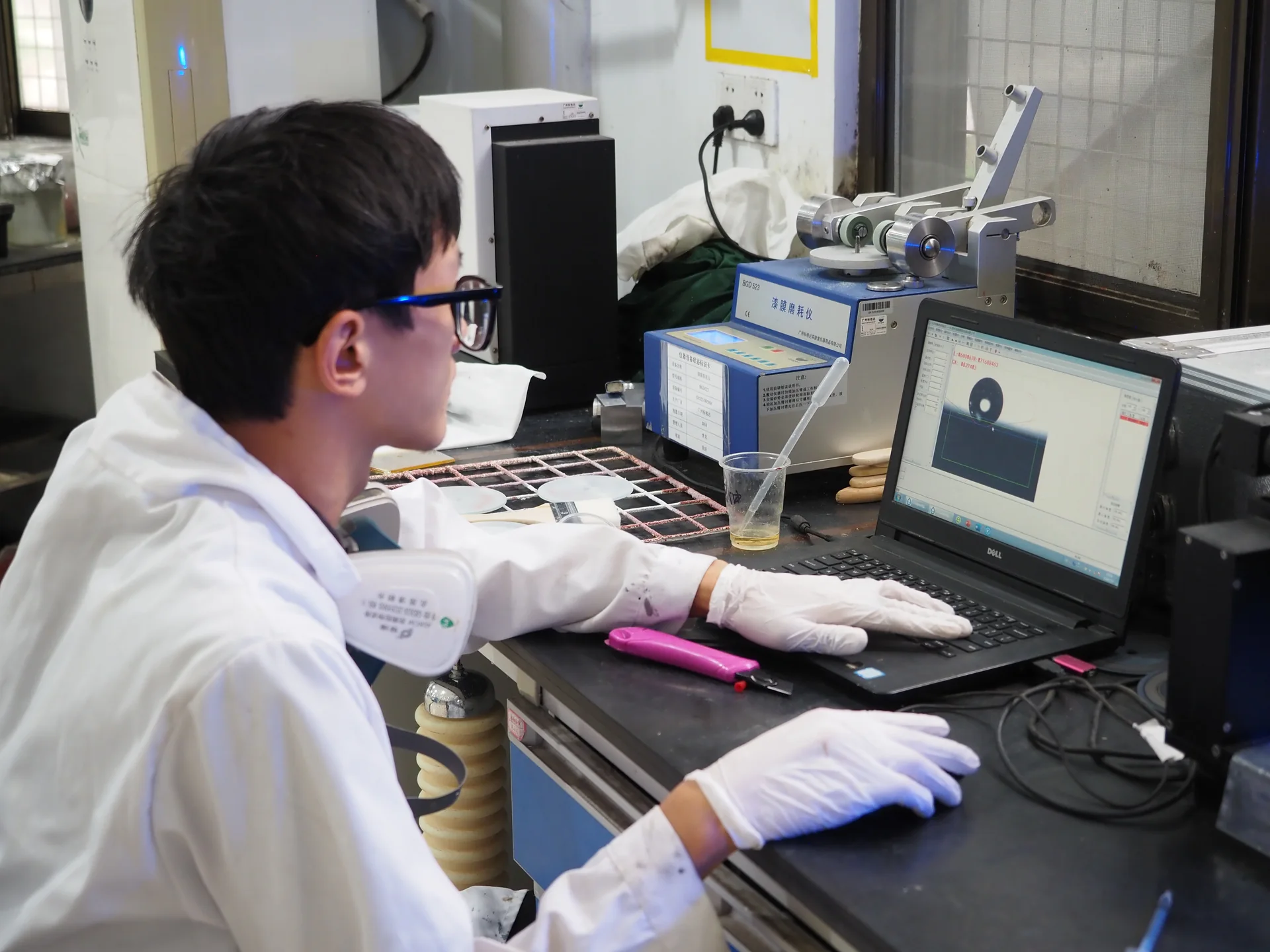
Superhydrophobic and Superoleophobic Coatings: Test the Oil, Then Test the Wear
Water beading does not establish oil repellency. A useful comparison identifies the liquid, measures droplet mobility and repeats the checks after realistic wear.
Read the guide ↗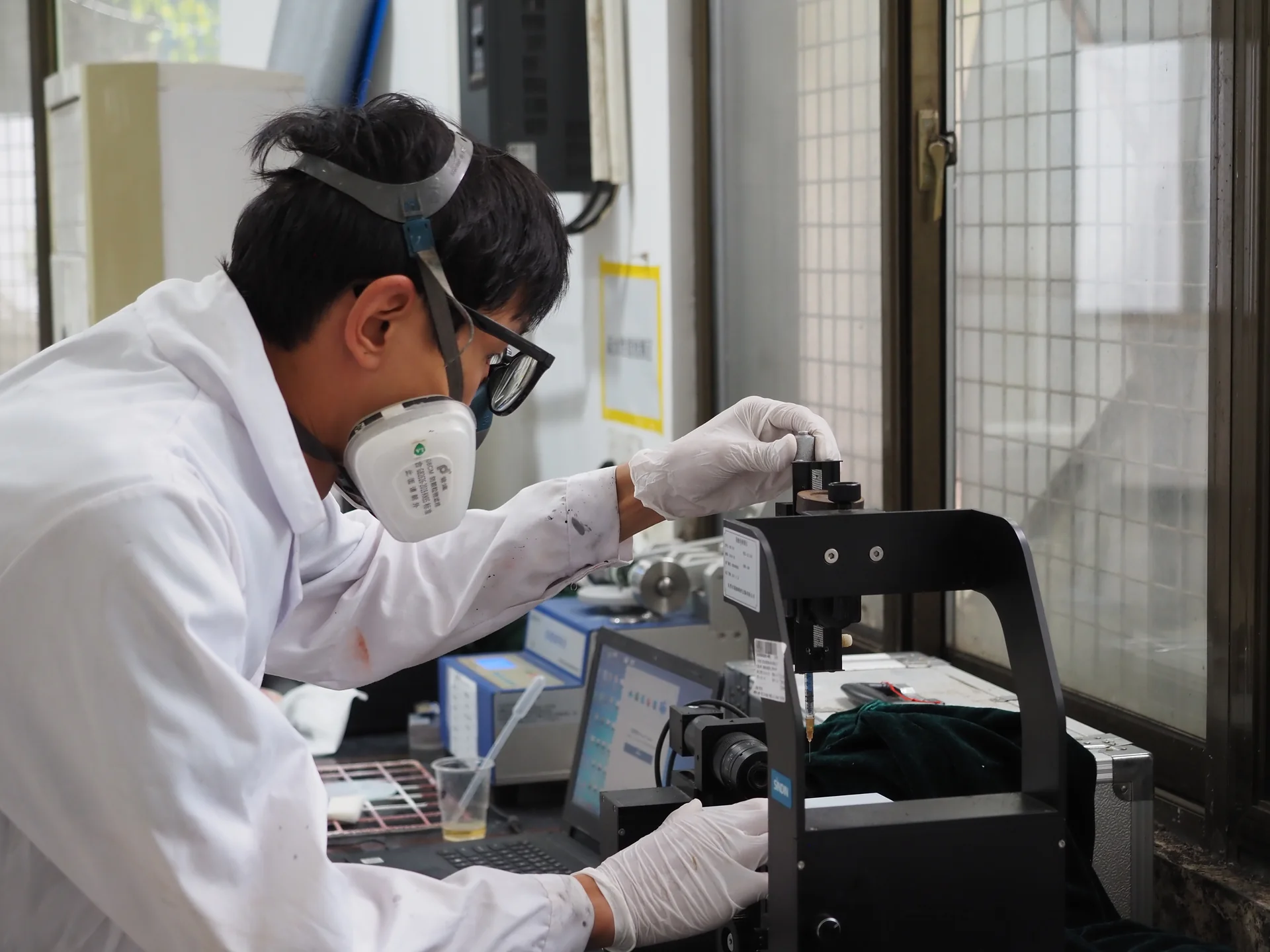
Functional-Coating Co-Development: From an Actual Part to a Pilot Trial
New applications need not fit an existing catalogue. Start with the component, the problem and a measurable comparison, then develop the material and process.
Read the guide ↗Illustrative visualHow to Evaluate an Electrical Insulation Coating Supplier
What to ask electrical insulation coating suppliers about substrates, film thickness, curing and test results, including the separate requirements of electrical steel strip.
Read the guide ↗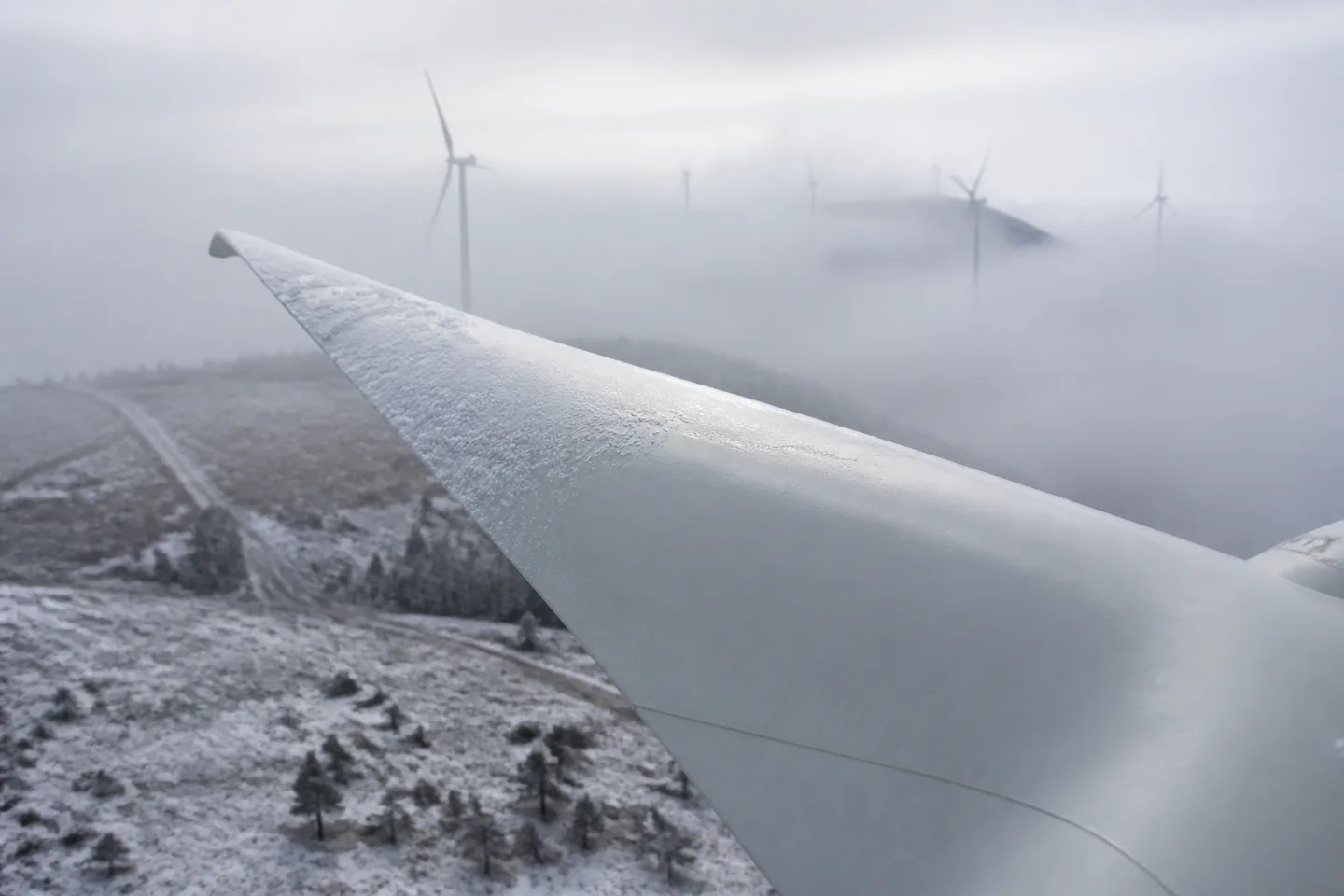 Illustrative visual
Battling Blade Icing: How to Evaluate an Anti-Ice Coating
How to test anti-icing coatings on wind-turbine blades: reproduce the icing conditions, measure ice adhesion, check erosion resistance and follow performance in the field.
Read the guide ↗Illustrative visualIndustrial Corrosion Protection: Choosing a Coating for the Steel and Site
How to assess steel condition, surface preparation, coating application and inspection for infrastructure, rail components and stored or enclosed equipment.
Read the guide ↗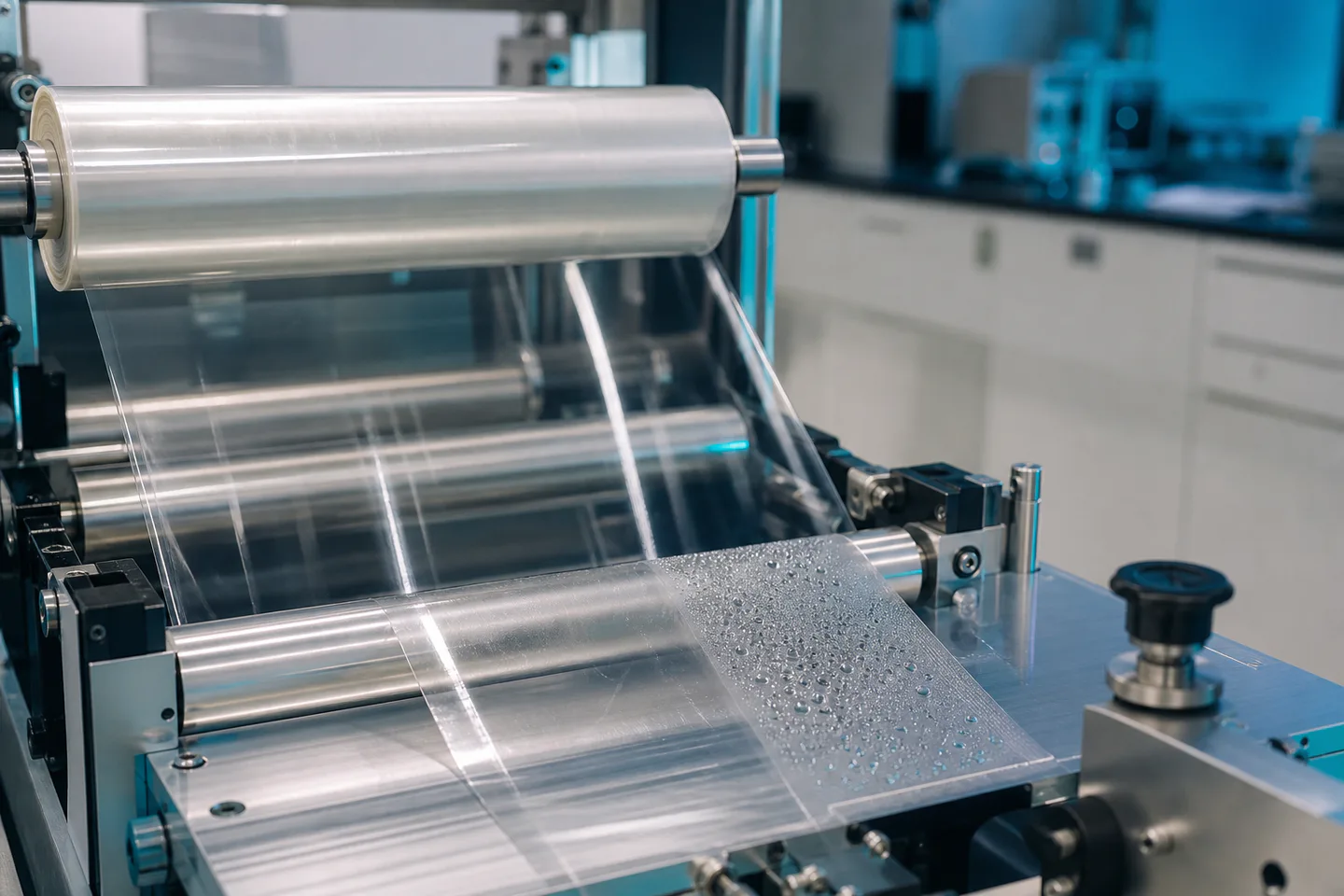 Illustrative visual
Hydrophobic Materials and Coatings: What to Test Before Selection
Move beyond contact angle when evaluating hydrophobic materials for polymer films, outdoor equipment and wind-turbine blade surfaces.
Read the guide ↗Illustrative visualHow to Select Fire-Suppression Microcapsules for Electrical and Energy-Storage Enclosures
What to check when selecting fire-suppression microcapsules: enclosure conditions, component form, supplier test reports and performance in the finished equipment.
Read the guide ↗Start a conversation
Unsure which material fits?
Send the equipment, substrate, exposure, current problem and intended outcome. A product name is not required.