Industry insight · 3 min read
Functional-Coating Co-Development: From an Actual Part to a Pilot Trial
New applications need not fit an existing catalogue. Start with the component, the problem and a measurable comparison, then develop the material and process.
Three stages, three decisions
Use each stage to decide whether to continue, revise or stop. Technical illustration of an evaluation process, not a test result or a customer installation.
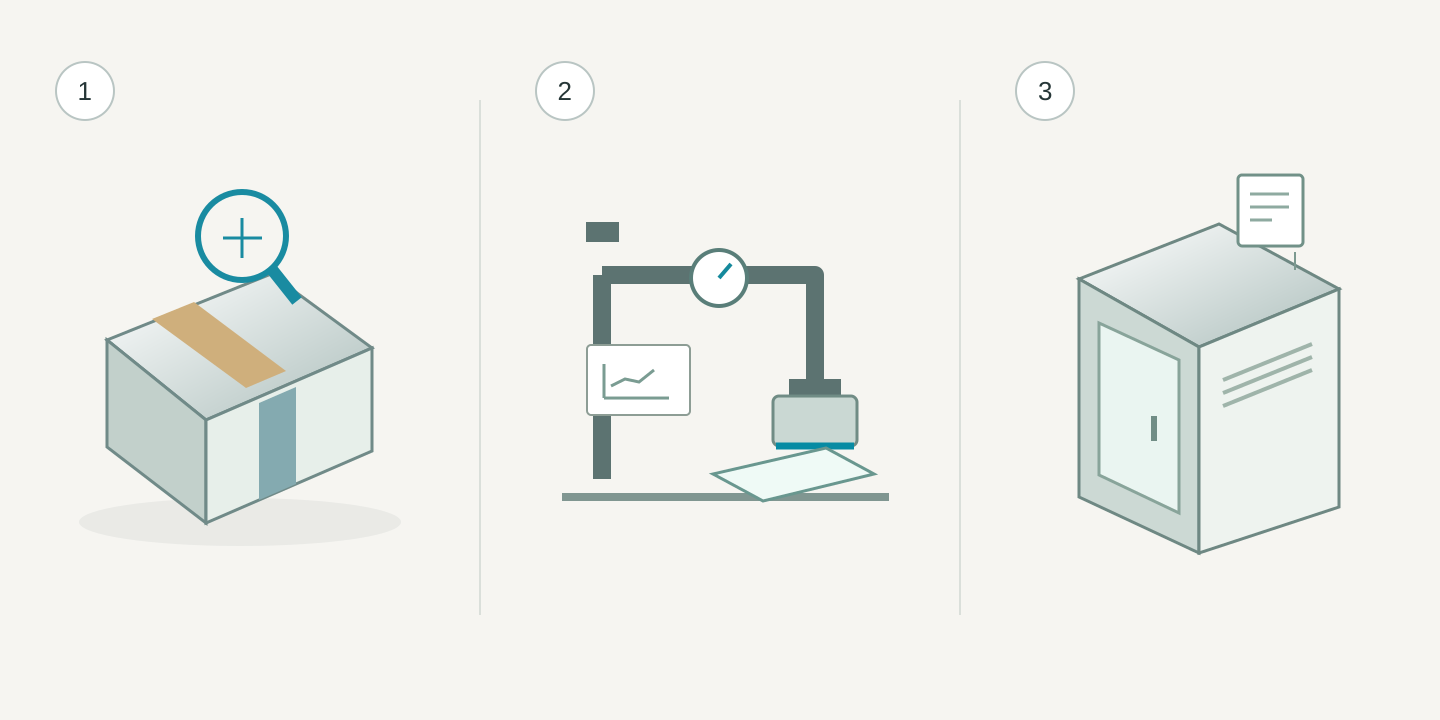
- Define
Describe the part, the problem and the useful result.
- Compare
Test candidate samples against the current surface.
- Pilot
Check application, maintenance and function in limited service.
Describe what is failing today
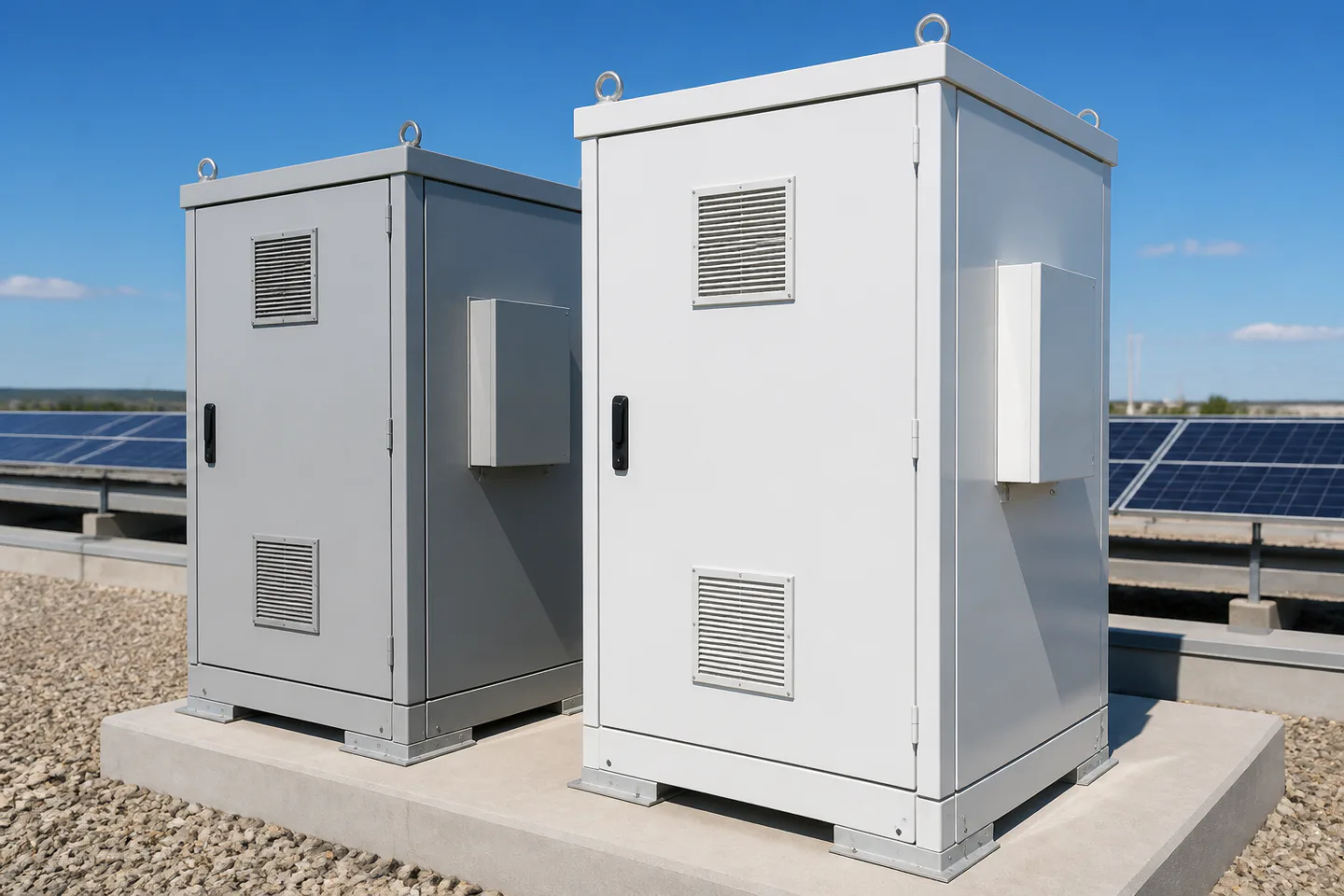
Start with a photograph or drawing and a short explanation. Is water obscuring a sensor, oil making cleaning difficult, or sunlight heating an enclosure? Include the current finish, maintenance method and operating conditions. A clear description is more helpful than a complete specification written before investigating the problem.
Agree what improvement would matter
Choose a result the customer can measure: shorter cleaning time, retained signal quality, lower equipment temperature or another defined outcome. Record the current performance first. Published research can help choose measurements, but a result on a different surface or test setup is not a promised result on your part. Decide together what would justify a larger trial.
Develop the material and application process together
DSAN supports joint development as well as discussion of existing products. Candidate routes may involve a coating system or a functional material incorporated into a formulation. Share substrate chemistry, surface preparation, allowable film thickness, application equipment and curing limits. A suitable surface on a laboratory panel can still fail if the production process changes its adhesion, texture or coverage.
Compare small samples before coating equipment
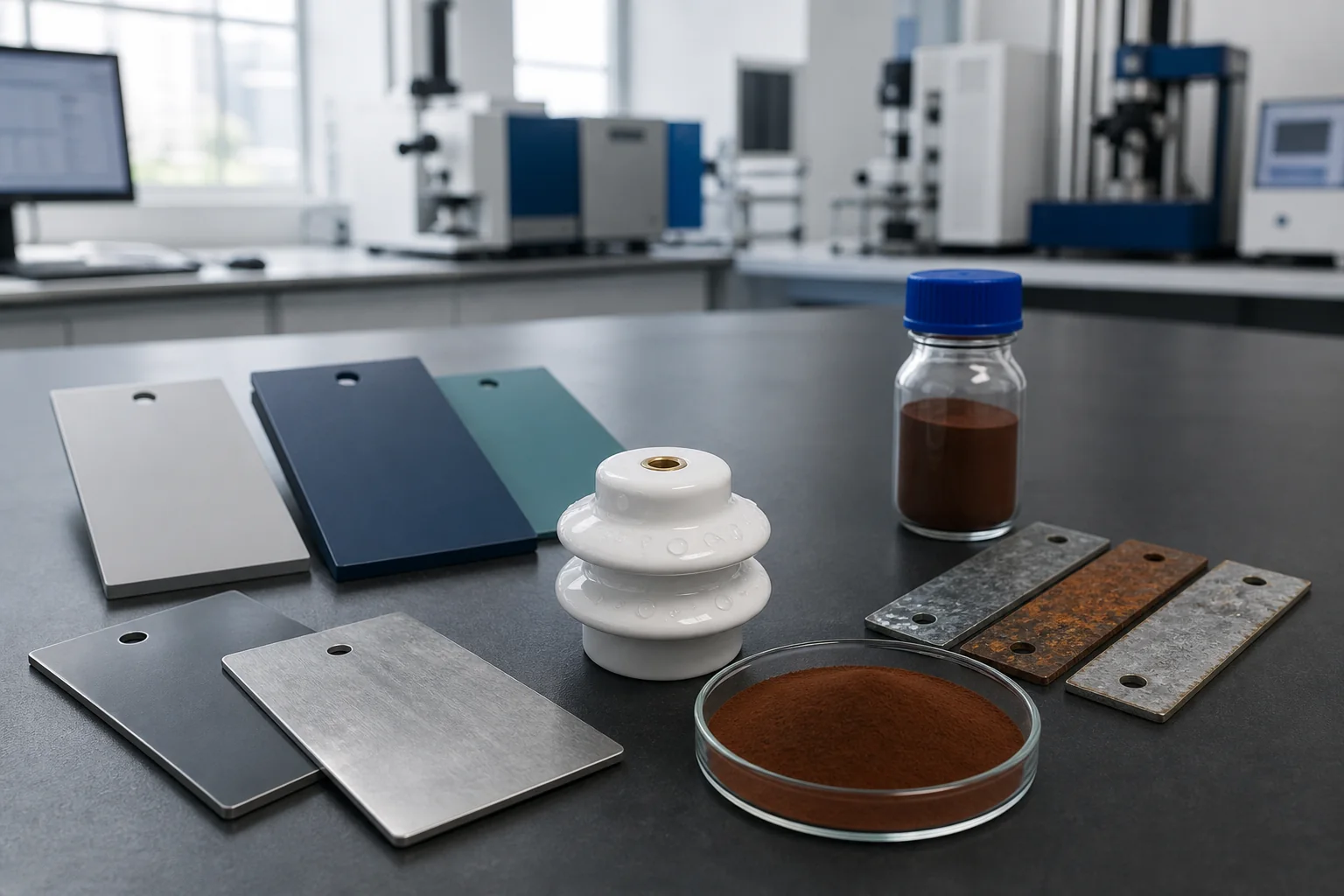
Use the actual substrate where possible, with untreated or current-finish controls. Keep preparation, geometry and exposure comparable, and label each formulation and batch. Test the intended contamination and cleaning cycle, then inspect damage and repeat the functional measurement. Optical parts need optical checks; radio-frequency parts need transmission checks. Surface repellency alone does not qualify either device.
Make the pilot easy to learn from
Select a limited number of accessible parts, agree inspection points and keep a comparison group. Record operating conditions, cleaning, failures and any repairs. Assign who applies the coating, who measures results and who decides the next step. A pilot may lead to process changes, a revised formulation or a stop. Joint development is a route to evidence, not a guarantee of suitability.
References
Questions engineers often ask
Can we approach DSAN if there is no matching catalogue product?
Yes. Share the application and current difficulty. The first step is to assess a development route and useful tests, not to assume an existing material is suitable.
What should we send before requesting samples?
Send a part photo or drawing, substrate and existing finish, operating conditions, relevant fluids and processing limits. Add the improvement you need and any baseline results already available.