Application
Anti-Icing Protection for Wind-Turbine Blades
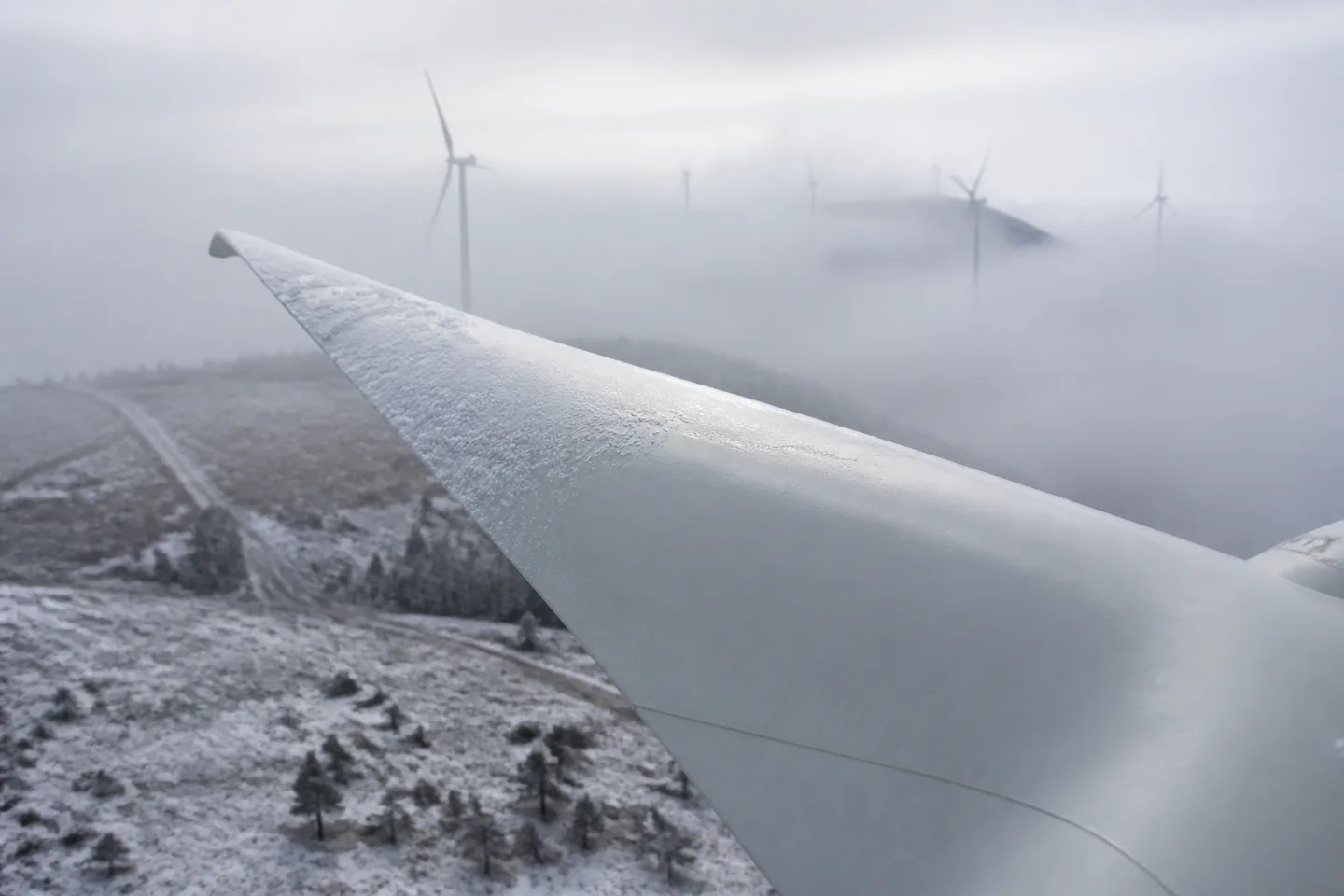
Blade icing can change aerodynamic performance and create an operating and maintenance burden. The coating must be assessed on the real blade system and icing environment.
 Illustrative visual
The challenge
Why this equipment needs a defined material evaluation.
The operating environment and failure mechanism must be defined before material selection.
Substrate preparation, access, cure and inspection controls affect the finished application.
A representative comparison must use the real equipment constraints and an agreed acceptance method.
Relevant DSAN materials
Connect the application to available products.
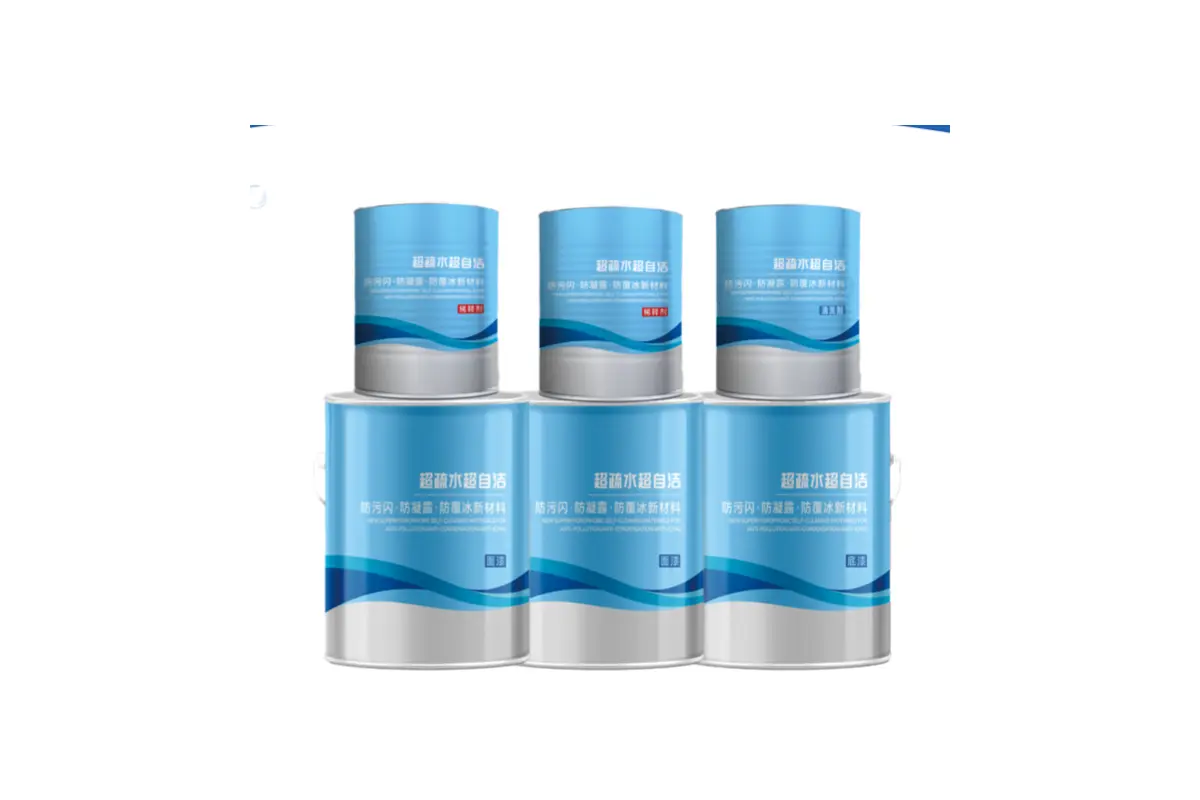
Screen DSAN NEW MATERIALS anti-icing coatings against the blade substrate, existing finish, icing event, erosion exposure and the wind-turbine operator's acceptance criteria.
View Related SolutionTypical equipment
- Wind-turbine blades
- Blade leading edges
- Nacelle weather surfaces
- Wind sensors
Selection support
Before trialling a blade anti-icing coating
Suggested evaluation steps, not a record of completed DSAN tests.
Define the icing problem
Describe the blade finish, icing conditions and intended result: delayed freezing, reduced accumulation or lower ice adhesion. Include preparation, curing and repair constraints.
Compare under controlled conditions
Agree acceptance criteria. Test coated and control specimens on the intended blade finish under the same temperature, water and airflow conditions. Repeat ice-adhesion and accumulation checks after relevant wear and freeze-thaw exposure.
Check evidence and remaining work
Request methods, specimen details, repeatability and results after conditioning. Use these to plan a limited blade-area trial and monitoring, not to assume service life.
Lower ice adhesion is not the same as preventing ice. Contact angle alone cannot establish blade performance or justify replacing ice detection, operating controls or active de-icing.
Discuss your blade conditions
Share the blade finish, site icing conditions and evaluation target to discuss fit and a possible sample comparison.
Application-specific evaluation parameters
| Parameter | Why it matters | Current value / status |
|---|---|---|
| Equipment and substrate | Defines compatibility, preparation and permitted treatment areas. | Project input required. |
| Operating exposure | Reproduces the relevant icing, erosion, ultraviolet and temperature-cycle conditions. | Project input required. |
| Application controls | Records preparation, film build or component placement, cure and inspection. | Project input required. |
| Acceptance method | Connects material data with the finished-equipment decision. | Project input required. |
Related products
Review the relevant products.
Compare each product format with the actual substrate, equipment and operating conditions.
Related industry insights
Read the industry and technical background.
 Illustrative visual
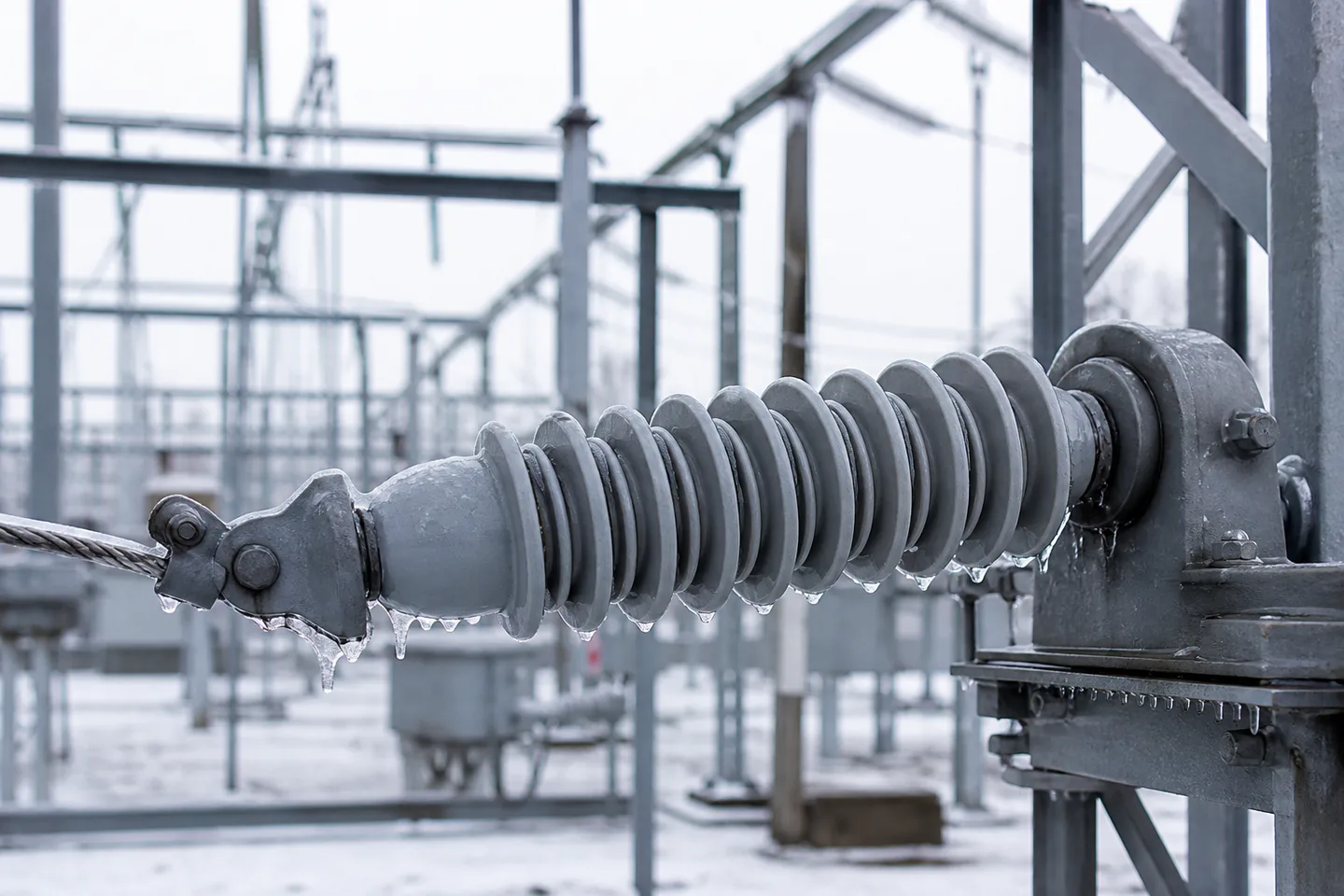
Anti-Icing Materials for Transmission Equipment
How to compare coating candidates using matched substrates, icing conditions and durability tests.
Read article ↗Illustrative visualBattling Blade Icing: How to Evaluate an Anti-Ice Coating
How to test anti-icing coatings on wind-turbine blades: reproduce the icing conditions, measure ice adhesion, check erosion resistance and follow performance in the field.
Read article ↗ Illustrative visual
Hydrophobic Materials and Coatings: What to Test Before Selection
Move beyond contact angle when evaluating hydrophobic materials for polymer films, outdoor equipment and wind-turbine blade surfaces.
Read article ↗Technical questions to confirm
Questions an engineer should answer before selection.
What equipment and substrate are involved?
Provide the equipment type, material, existing finish, accessible area and any electrical or process constraints.
Which exposure must the material withstand?
Describe temperature, moisture, contamination, chemicals, sunlight, mechanical loading and maintenance conditions relevant to the application.
How will the project assess the result?
Identify the comparison, test method, inspection or equipment-level performance criterion.
Discuss your application
Send the substrate, equipment and operating condition.
Use the form for an application discussion, joint R&D or materials distribution.
More applications