Industry insight · 3 min read
Radiative-Cooling Coatings: What Happens After the Surface Gets Dirty?
A clean panel is the starting point. For outdoor equipment, compare cooling performance after soiling, weathering and the cleaning method you can actually use.
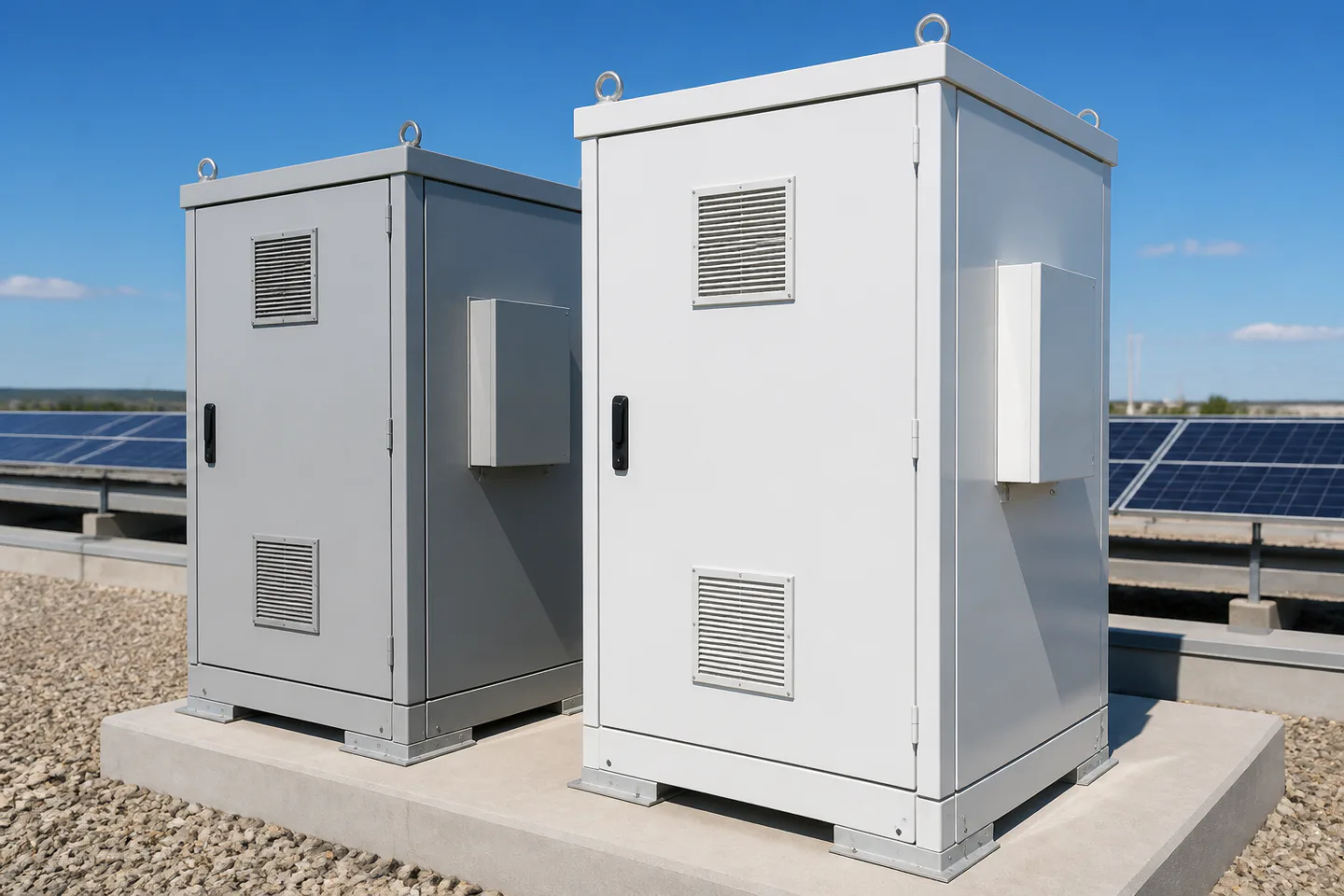 Illustrative visual
Three conditions, one comparison
Keep the substrate and test setup consistent at every stage. Technical illustration of an evaluation process, not a test result or a customer installation.
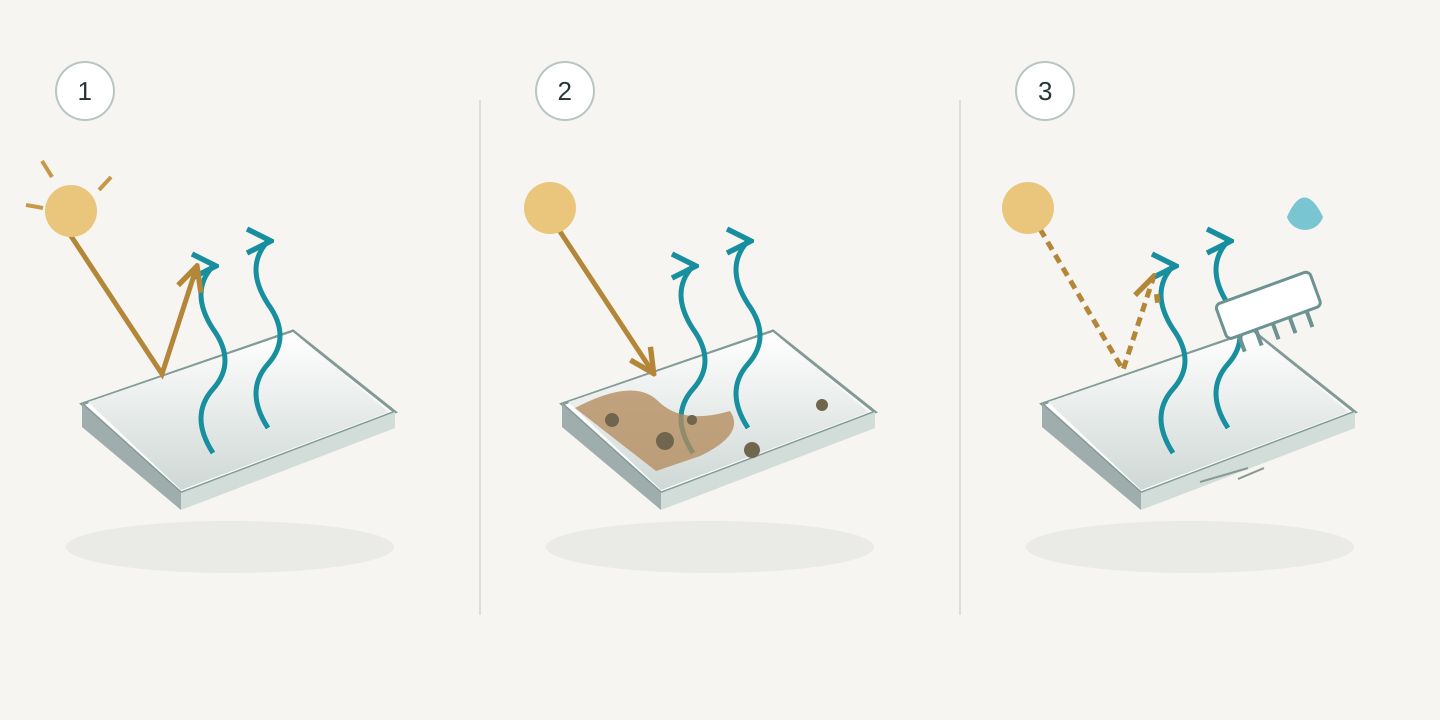
- Clean
Record the coating's initial optical and thermal results.
- Exposed
Repeat after representative contamination and weathering.
- Cleaned
Check recovered performance and any coating damage.
The first sunny day is not the whole test
Radiative-cooling coatings aim to limit absorbed sunlight and release heat through thermal radiation. A bright new surface may perform differently after months outside. Research from Lawrence Berkeley National Laboratory shows that deposited contaminants can reduce roof reflectance. The useful question for an equipment owner is how much performance remains between planned cleaning visits.
Separate fresh performance from retained performance
Request solar reflectance and thermal-emittance results with the sample preparation and measurement method. Then repeat the measurements after relevant exposure. The Cool Roof Rating Council distinguishes initial and aged values in its roof rating process. That is a useful comparison principle, not evidence that a particular DSAN product is rated, or that roof data qualifies an equipment enclosure.
Give the topcoat a fair comparison
To evaluate a self-cleaning surface, prepare matching panels with the same substrate and reflective basecoat; apply the proposed topcoat to one set. Keep film thickness, orientation and exposure comparable, and retain a current-finish control. Use the dust, oily deposits or other contaminants relevant to the site. A water-droplet demonstration alone cannot show retained cooling performance.
Measure the surface and the equipment separately
For a cabinet trial, log solar irradiance, ambient temperature, wind, surface temperature and internal temperature at matching locations. Keep equipment load and ventilation comparable. A cooler outer panel does not translate automatically into the same temperature reduction inside. Repeat the comparison over several weather conditions and after soiling, then record what a practical cleaning procedure restores.
Start with a small, inspectable trial
DSAN can discuss a radiative-cooling coating system and an evaluation plan for your substrate. Share the existing finish, operating temperatures, local contamination and maintenance routine. Agree the required thermal result and an acceptable cleaning interval before expanding the trial. Self-cleaning is a surface function to verify; it is not a promise that all deposits disappear without maintenance.
References
Questions engineers often ask
Does high reflectance guarantee a fixed temperature reduction?
No. Sunlight, wind, humidity, insulation and equipment heat load all influence the result. State the measurement location and compare treated and control equipment under matching conditions.
Can water repellency replace cleaning?
Not automatically. Some loose contamination may be removed with moving water, while oily films or attached deposits may remain. Test the proposed cleaning method and repeat the thermal measurements.